

Article: Choosing a Cold Plunge Tub for Home
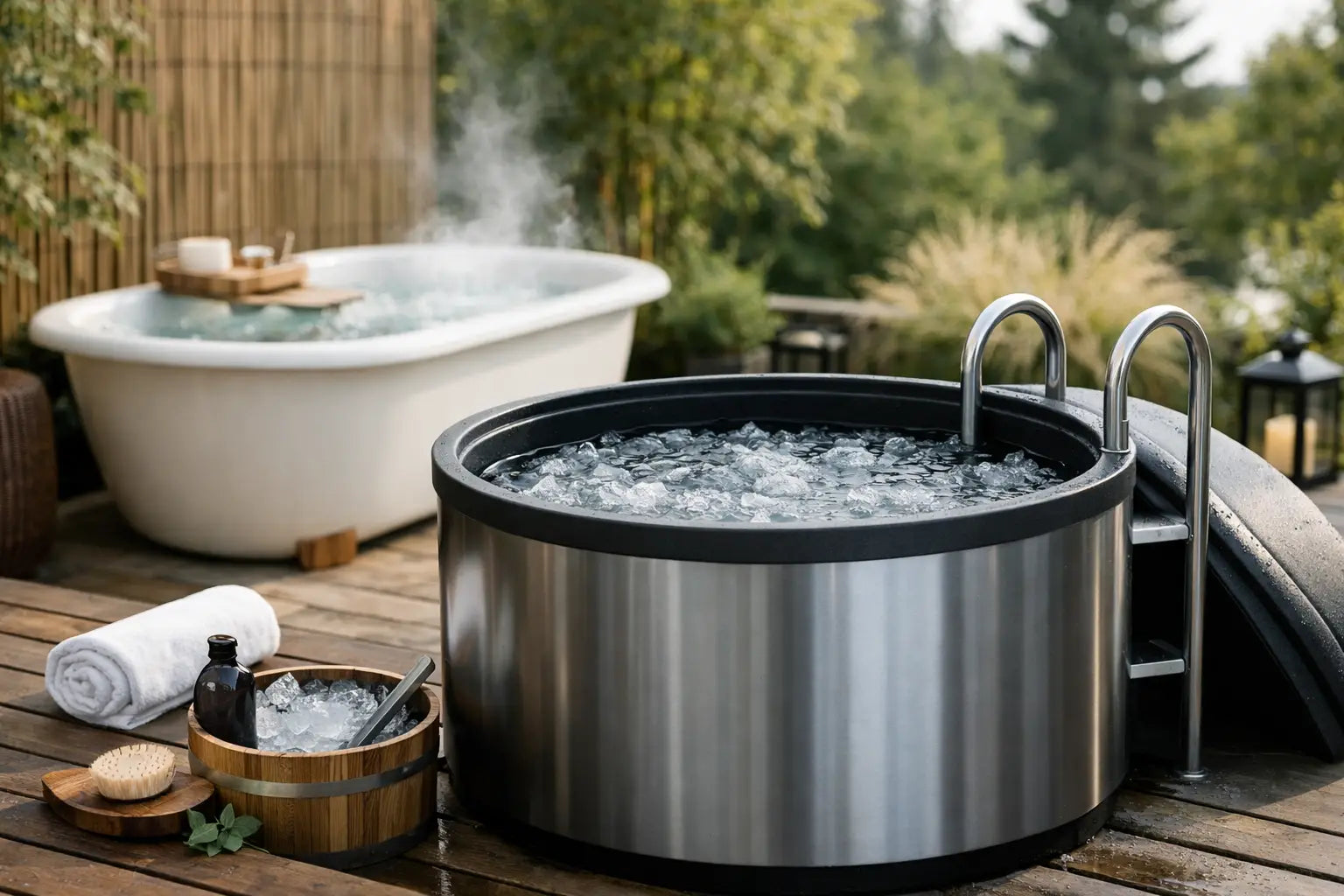
Choosing a Cold Plunge Tub for Home
A cold plunge tub for home can look like a simple luxury at first glance - a beautiful vessel, a low temperature, a bold promise of better recovery. But once you start picturing it in your actual routine, the real questions appear quickly. Will you use it before work or after training? Does it belong on a patio, in a gym, or near a sauna? Do you want a dramatic ice bath experience, or a quieter daily ritual that helps you return to clarity?
For most homeowners, the best choice is not the coldest tub or the most complex system. It is the one that fits your space, your tolerance, and your life well enough to become a lasting practice.
Why a cold plunge tub for home appeals to so many routines
Cold immersion has moved far beyond elite athletic recovery. For busy professionals, it can create a clean mental reset between responsibilities. For fitness-focused households, it often becomes part of a more complete recovery rhythm alongside stretching, heat therapy, and sleep support. For those building a wellness room or outdoor sanctuary, it offers contrast - a vivid shift that wakes up the body and sharpens attention.
That appeal is real, but so is the learning curve. A home cold plunge is a high-consideration purchase because the benefits depend on consistency, comfort with the experience, and confidence in the setup. A tub that feels intimidating, oversized, or difficult to maintain can lose its place in your routine surprisingly fast.
This is why the best buying decision usually begins with lifestyle, not specifications. Start with how you want to feel after using it. More alert in the morning. More recovered after strength training. More grounded after a demanding day. Those desired outcomes will point you toward the right design and features much faster than a spec sheet alone.
What to consider before buying a cold plunge tub for home
Space and placement matter more than most people expect
A cold plunge should feel integrated, not squeezed in as an afterthought. Indoor placement can be elegant and convenient, especially if you want year-round access without weather concerns. But indoor installation raises practical questions around flooring, drainage, humidity, and electrical requirements.
Outdoor placement often feels more immersive and spa-like, especially when paired with a sauna or quiet seating area. It can also free up interior square footage. The trade-off is exposure to seasonal temperature swings, debris, and a more visible footprint in your landscape.
Before focusing on aesthetics, measure the access path as carefully as the final location. A tub that fits the room but cannot move through the gate, hallway, or doorway is a frustrating problem to solve late in the process.
Your tolerance should shape the experience
Not everyone wants an extreme cold exposure ritual, and not everyone benefits from starting there. Some people are energized by brisk temperatures that feel challenging but manageable. Others want colder settings and longer holds because they are already familiar with contrast therapy or athletic recovery protocols.
This is one of the clearest it-depends decisions in the category. If the tub will be shared by multiple people, wider temperature control matters. If you are new to cold immersion, a system that allows a gradual adjustment often supports better consistency than one built around intensity alone.
Chiller performance changes the ownership experience
Many people imagine filling a tub with ice, trying it a few times, and then realizing the ritual is more work than expected. A dedicated chiller can make home cold therapy feel less like an event and more like an accessible daily practice.
That does not mean every buyer needs the same level of cooling power. Performance should match climate, frequency of use, and desired temperature range. In a hotter environment or a household with frequent use, stronger chilling capacity and dependable temperature maintenance become more valuable. In a milder climate with occasional use, simpler systems may feel sufficient.
The key question is not just how cold the water can get. It is how reliably the system can hold your target temperature without making upkeep feel burdensome.
Water care is where convenience and discipline meet
Clean water is essential, especially in a product designed for repeated body contact. Filtration, sanitation support, and ease of maintenance all shape whether ownership feels calm or tedious.
Some premium systems simplify this beautifully with built-in circulation and thoughtful water management. Others require more hands-on attention. Neither approach is automatically wrong, but you should be honest about the level of maintenance you will realistically sustain.
A pristine recovery ritual loses its appeal quickly if you are constantly troubleshooting water quality.
Design is not superficial - it affects use
In a premium home, visual harmony matters. A cold plunge tub should support the atmosphere you are creating, whether that is a sleek modern recovery studio, a warm natural outdoor retreat, or a polished home gym.
But design is not only about appearance. The shape of the tub affects how supported and stable you feel during immersion. Entry height, seating position, interior dimensions, and material finish all influence comfort. If a tub looks beautiful but feels awkward to get into, that friction will show up over time.
This is especially important for buyers in the 30 to 65 range who may be balancing wellness goals with joint sensitivity, post-workout fatigue, or a desire for a more graceful experience. Ease matters. So does the feeling of safety while entering and exiting cold water.
The best home plunge supports a ritual, not a random challenge
Cold therapy tends to work best when it has a place in a broader rhythm. That rhythm may be simple. A three-minute plunge after morning movement. A cold session following strength training. A heat-to-cold contrast ritual that helps you shed the tension of the workday and return to warmth with a steadier nervous system.
When you shop with that ritual in mind, your decisions become clearer. If your goal is post-workout recovery, placement near your gym or training space makes sense. If your goal is calm focus in the morning, proximity to a shower or meditation corner may matter more. If contrast therapy is central, pairing a plunge near a sauna creates a more natural flow.
This is where premium curation has real value. The right product is not simply a tub. It is part of an intentional home wellness environment that supports repeatable outcomes.
Budget, value, and where not to cut corners
Price differences in this category can be significant, and they are not always just about branding. Build quality, insulation, chiller strength, warranty confidence, and service support all influence long-term value.
A lower upfront price can be appealing, especially if you are still testing your interest in cold immersion. But if the tub struggles to maintain temperature, looks worn quickly, or demands constant maintenance, the true cost shows up in frustration and inconsistent use.
On the other hand, the most expensive option is not automatically the best fit. If you want a quiet, elegant, dependable plunge for a few sessions a week, you may not need the most advanced commercial-style setup. Good buying is rarely about spending the maximum. It is about choosing the level of performance your routine will actually use.
For many homeowners, this is where expert guidance makes the process feel more grounded. A premium retailer such as WellNest Home can help narrow the field based on space, intended ritual, and recovery goals rather than pushing a one-size-fits-all solution.
Safety should feel built in, not added later
Cold immersion is invigorating, but it should be approached thoughtfully. A stable step-in experience, dependable temperature control, and clear operating guidance all matter. If you have cardiovascular concerns, circulation issues, or other medical conditions, professional guidance is wise before beginning regular cold exposure.
Even for healthy users, comfort and caution should guide the first few sessions. Shorter exposure times, moderate temperatures, and a calm entry often create a more sustainable relationship with cold than forcing an intense first experience. You want the ritual to feel supportive, not punishing.
That same principle applies to household use. If multiple family members will share the tub, choose a setup that feels intuitive and secure for everyone who plans to use it.
A few signs you have found the right fit
The right cold plunge tub for home usually reveals itself in practical ways. It fits the space without overwhelming it. The maintenance feels manageable. The design complements the room or outdoor setting. The temperature range suits your comfort level and goals. Most importantly, you can picture yourself using it next week, not just admiring it on delivery day.
That last point is easy to underestimate. Wellness products often sell a vision of transformation, but lasting value comes from repetition. The best cold plunge is the one that welcomes you back again and again - after meetings, after workouts, after travel, after long days when your body asks for a reset and your mind wants clean, immediate clarity.
Choose with that future rhythm in mind, and your home plunge becomes more than a striking amenity. It becomes a place to pause, recalibrate, and step back into the day with steadier energy.
Leave a comment
This site is protected by hCaptcha and the hCaptcha Privacy Policy and Terms of Service apply.