

How to Choose a Home Sauna
A home sauna can look like a luxury purchase from the outside, but the right one often becomes something more meaningful - a place you return to after travel, training, long workdays, or restless nights. If you are wondering how to choose a home sauna, the best place to start is not with a wood finish or a feature list. It is with the role you want heat to play in your life.
That may sound simple, but it changes everything. Some buyers want a quiet daily reset. Others want deeper post-workout recovery, a consistent sweat practice, or a design-forward wellness space that feels integrated into the home. The best sauna is the one that supports the ritual you will actually keep.
How to choose a home sauna based on your routine
Before comparing models, think about frequency, timing, and who will use the sauna. A solo morning session before the day begins calls for something different than a larger unit meant for couples or family use in the evening. If your schedule is tight, heat-up time matters. If your goal is long, meditative sessions, interior comfort and ergonomics matter just as much.
This is where many shoppers overbuy or underbuy. A two-person sauna may sound ideal until it lands in a room that already feels crowded. A compact infrared unit may be perfect for daily use, but less satisfying if you are expecting the intense, enveloping heat of a traditional sauna. Choosing well means being honest about your habits, not your aspirations alone.
Ask yourself what you want to feel after each session. More relaxed. Less tense. Better recovered. Mentally clearer. Those outcomes will point you toward the right category faster than any marketing claim.
Start with sauna type, not style
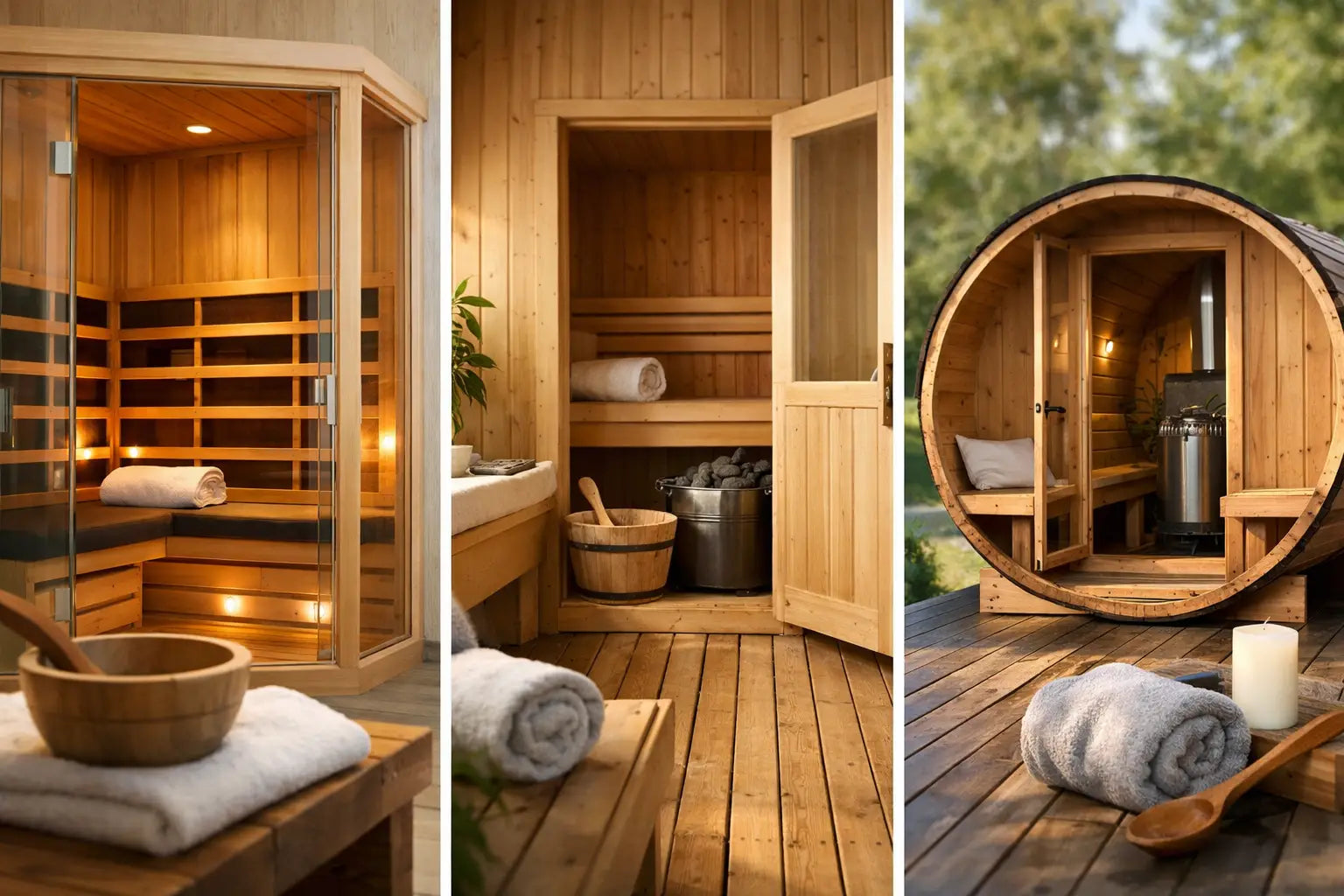
The biggest decision is the heating method. Most home buyers are choosing between infrared, traditional, steam, and outdoor barrel-style designs. Each creates a different experience, and none is universally best.
Infrared saunas
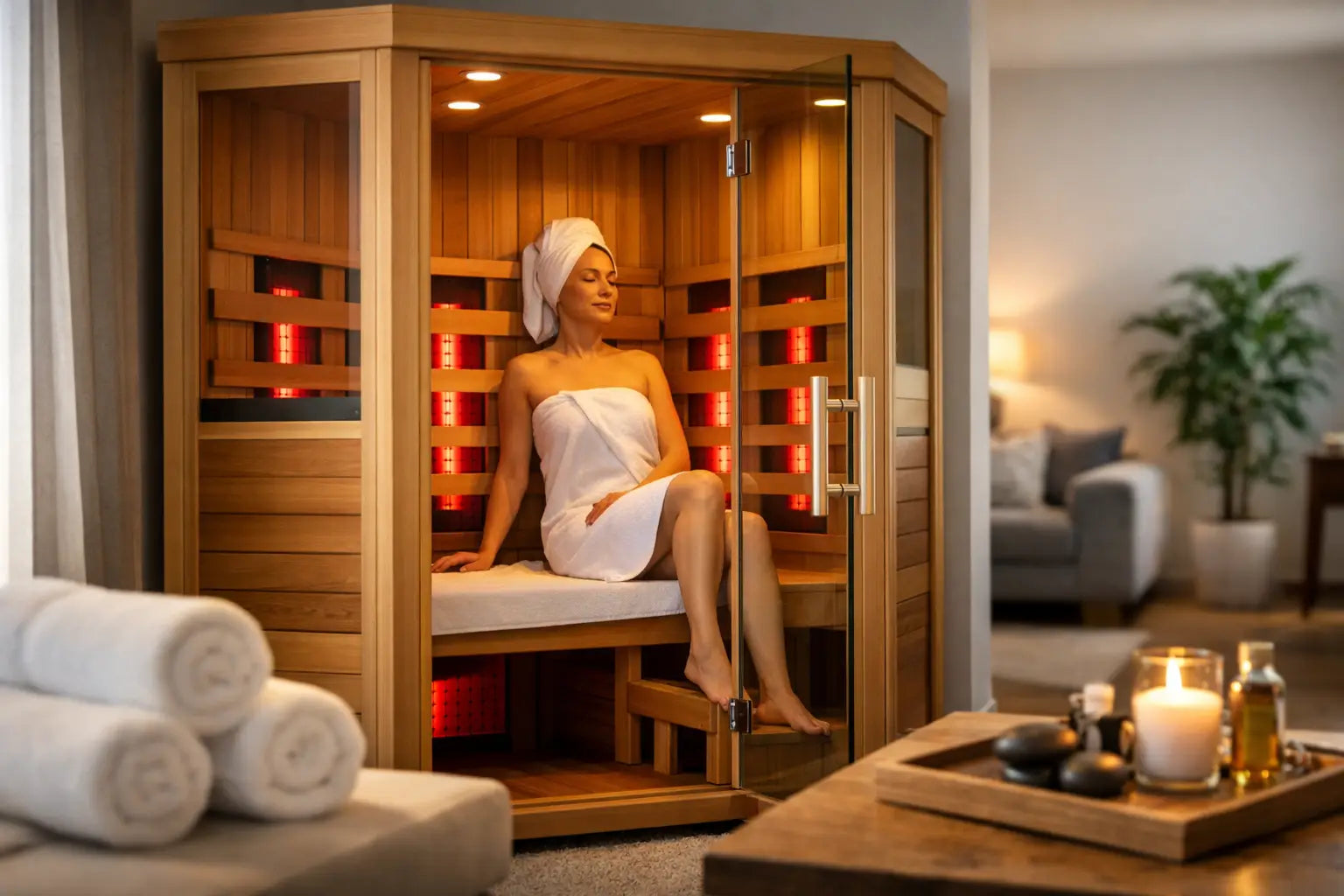
Infrared saunas warm the body more directly and usually operate at lower ambient temperatures than traditional saunas. Many people find them easier to ease into, especially for frequent sessions. They are often a strong fit for buyers focused on convenience, recovery, and regular use, since they typically heat faster and can work well in interior spaces.
The trade-off is that the sensation is different. If you associate sauna with a very hot room and the immediate intensity of high heat, infrared may feel gentler than expected. For some households, that is exactly the appeal. For others, it can feel less immersive.
Traditional saunas
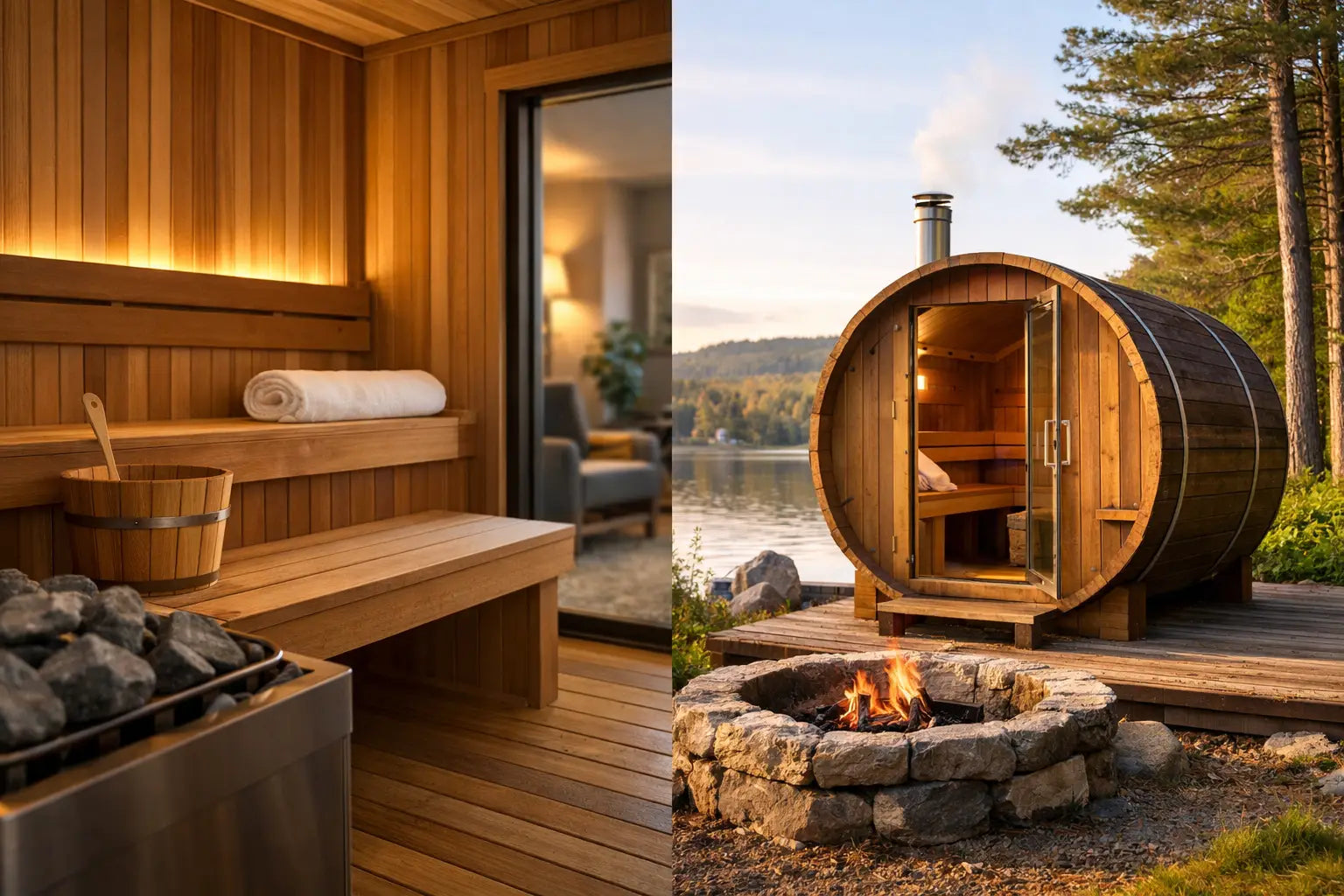
Traditional saunas use a heater to warm the air, creating that classic dry-heat environment. They tend to deliver the more familiar sauna ritual - hotter air, a stronger full-room effect, and a deeper sense of stepping away from the day. If you want an authentic Nordic-inspired experience, this may be the direction to take.
They do require more planning. Electrical needs can be greater, heat-up time is often longer, and ventilation and placement deserve more attention. The reward is a richer, more enveloping heat environment that many sauna purists prefer.
Steam saunas
Steam is a different category altogether. If your priority is humidity, respiratory comfort, or a spa-style bathing experience, a steam setup can be beautiful. It also tends to involve more complex installation, moisture management, and design planning than a freestanding infrared or traditional unit.
For many homes, steam works best when it is part of a bathroom renovation or dedicated wellness room rather than a simple add-on purchase.
Outdoor saunas
Outdoor saunas, including barrel and cabin styles, offer a striking experience and can create a true retreat just steps from the house. They are ideal for buyers who want more space, stronger visual impact, or a hot-cold ritual in the open air.
They also introduce climate, site preparation, and weather exposure into the decision. Outdoor placement can be magical, but it should be practical too. Walking through rain or snow to reach your sauna may feel romantic in theory and inconvenient in real life.
Size should reflect comfort, not just capacity
When learning how to choose a home sauna, many people focus on the listed occupancy. One-person, two-person, four-person. Those labels are useful, but they are not the whole story.
A two-person sauna may fit two adults, but the experience can vary widely depending on bench depth, shoulder room, ceiling height, and how you like to sit. If you want to stretch out, meditate, or change positions comfortably, sizing up often improves the experience more than buyers expect.
At the same time, bigger is not always better. A larger sauna takes more space, may need more power, and can feel underused if it was chosen for occasional entertaining rather than everyday life. For most homeowners, the sweet spot is the smallest size that still feels generous.
Measure carefully and include the less glamorous realities: door swing, walking clearance, flooring, ventilation, and access for delivery and assembly. A sauna that technically fits on paper can still be awkward in practice.
Materials and craftsmanship shape the experience
This is one category where premium construction matters. The interior environment is warm, repetitive, and sensory. You will see the wood grain up close, breathe in the aroma, touch the benches, and notice whether the space feels solid or thin.
Look for sauna-grade woods suited to heat and moisture exposure, such as cedar or hemlock, depending on the sauna type and your preferences. Cedar is often loved for its rich scent and natural resistance to moisture. Hemlock offers a cleaner, more understated profile and can be a good option for those who prefer a lighter aroma.
Craftsmanship matters beyond appearance. Tight joinery, stable benches, reliable heaters, low-toxicity materials, and quality glass all affect how the sauna feels over time. A sauna is not simply furniture with heat. It is a wellness environment, and build quality supports both longevity and peace of mind.
Pay attention to heat, power, and installation
This is where inspiration has to meet reality. Some home saunas plug into a standard outlet. Others require dedicated electrical work. Traditional and steam options often involve more installation planning than infrared models, and outdoor units may need a prepared base and weather-conscious setup.
It helps to think in layers. First, what can your space support now? Second, what upgrades are you willing to make for the right long-term fit? A less complicated model may get used sooner and more often. A more involved installation may be worth it if it creates the exact ritual you want for years to come.
Do not treat power requirements as a footnote. They influence where the sauna can go, what it costs to install, and how smoothly the buying experience unfolds. For a high-consideration purchase, clear guidance here is part of what separates a curated wellness retailer from a generic online listing.
Design matters because use is emotional
A sauna should support recovery, but it should also feel inviting. If it looks out of place in your home, you may admire it more than you use it.
Consider where the sauna lives in your daily flow. A bedroom-adjacent wellness room creates one kind of rhythm. A gym corner creates another. An outdoor sauna near a plunge tub becomes a more immersive ritual space. The visual language should match the room around it, whether your home leans minimal, organic, modern, or richly textured.
This is not superficial. The easier it is to step into warmth, the more naturally the practice becomes part of your week.
Budget for the full experience, not just the box
A sauna budget should include more than the listed price. Installation, electrical work, base preparation, accessories, maintenance, and delivery all shape the real investment. Financing options can make a premium model more accessible, but value still comes down to use.
In many cases, the least expensive sauna is not the best value if it compromises comfort, durability, or support. On the other hand, the highest price tag is not proof of a better fit. The smartest purchase usually sits at the intersection of performance, safety, design, and daily usability.
If you are comparing options, ask what is being promised beyond the product itself. Warranty coverage, consultation support, and confidence in the curation all matter more in this category than they do in lower-stakes home purchases.
How to choose a home sauna without second-guessing yourself
If you feel torn between two models, return to your original purpose. Which one fits your home without friction? Which one supports the kind of session you will actually want on a Wednesday evening? Which one feels aligned with your lifestyle now, not just the version of you who has unlimited time and perfect discipline?
That is often where clarity appears. The right sauna is rarely the one with the longest feature list. It is the one that makes warmth feel available, restorative, and easy to return to.
At WellNest Home, that is why the best sauna decisions begin with the life you want to create around it. Choose the model that invites you in, supports your body well, and makes restoration feel less like an appointment and more like coming home.
Leave a comment
This site is protected by hCaptcha and the hCaptcha Privacy Policy and Terms of Service apply.