

Indoor vs Outdoor Sauna: Which Fits Best?
The right sauna should feel like an invitation, not a compromise. When people compare indoor vs outdoor sauna options, they are rarely choosing between two boxes that heat up. They are deciding where recovery will live in the rhythm of home - tucked into a private interior retreat or set apart as a destination in the open air.
That distinction matters more than most spec sheets suggest. The best choice depends on how you want the experience to feel, how often you will use it, what your space can realistically support, and how much importance you place on design, privacy, and long-term convenience.
Indoor vs Outdoor Sauna: The Core Difference
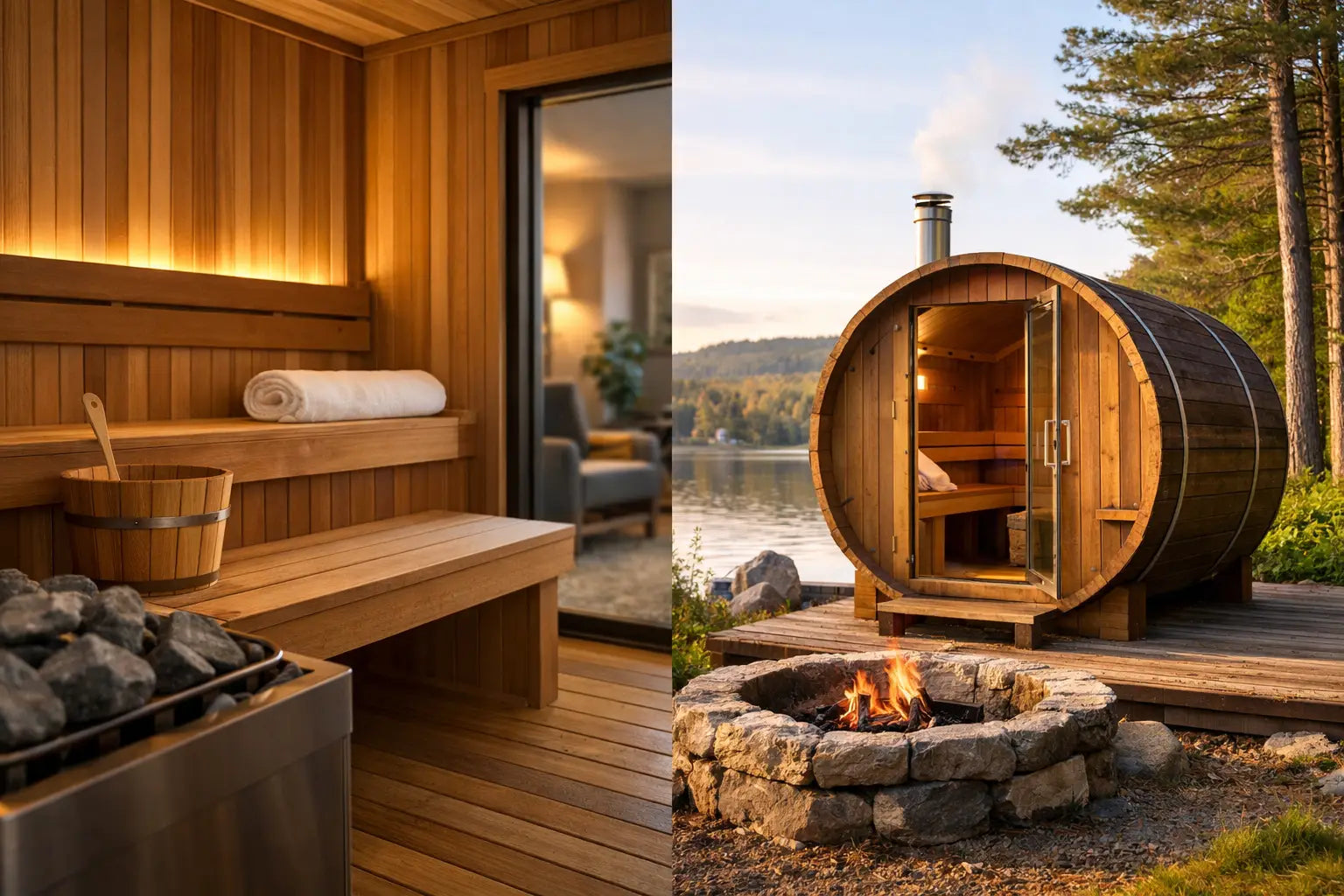
An indoor sauna is integrated into the home environment. It may sit in a primary bath, home gym, wellness room, basement, or spare room, where warmth is always just a few steps away. For many homeowners, that ease is the biggest advantage. A session before work, after lifting, or before bed becomes more natural when there is no need to step outside, think about weather, or make the ritual feel like a production.
An outdoor sauna creates a different kind of pause. It gives the experience a destination quality, which many people find grounding. Walking out into cool air before or after heat exposure can heighten the contrast and make the ritual feel more immersive. If your goal is to create a true backyard sanctuary, an outdoor sauna often delivers that emotional impact in a way an indoor installation cannot.
Neither is inherently better. One tends to win on convenience and interior integration. The other often wins on atmosphere, separation, and architectural presence.
How Daily Use Changes the Decision
The most beautiful sauna is still the wrong sauna if it does not fit your routine. This is where the indoor vs outdoor sauna question becomes practical.
If you are the kind of person who wants consistent, almost automatic use, indoor placement usually has the edge. It is easier to step into a sauna after a shower, after a workout, or in the final quiet minutes of the evening when it is already part of the home. That lower barrier matters. Wellness rituals tend to last when they feel simple.
Outdoor saunas ask a little more of you, but some people prefer that. The walk outside can create a mental transition away from work, screens, and household noise. It turns heat therapy into a dedicated practice rather than just another home amenity. For those who value ceremony, that extra step is often a benefit, not a drawback.
Climate matters here too. In mild regions, outdoor use may feel effortless year-round. In areas with heavy snow, intense summer humidity, or frequent rain, an outdoor sauna can still work beautifully, but the experience will be shaped by the environment more than an indoor one.
Space, Layout, and Installation Reality
For many households, the deciding factor is not preference. It is layout.
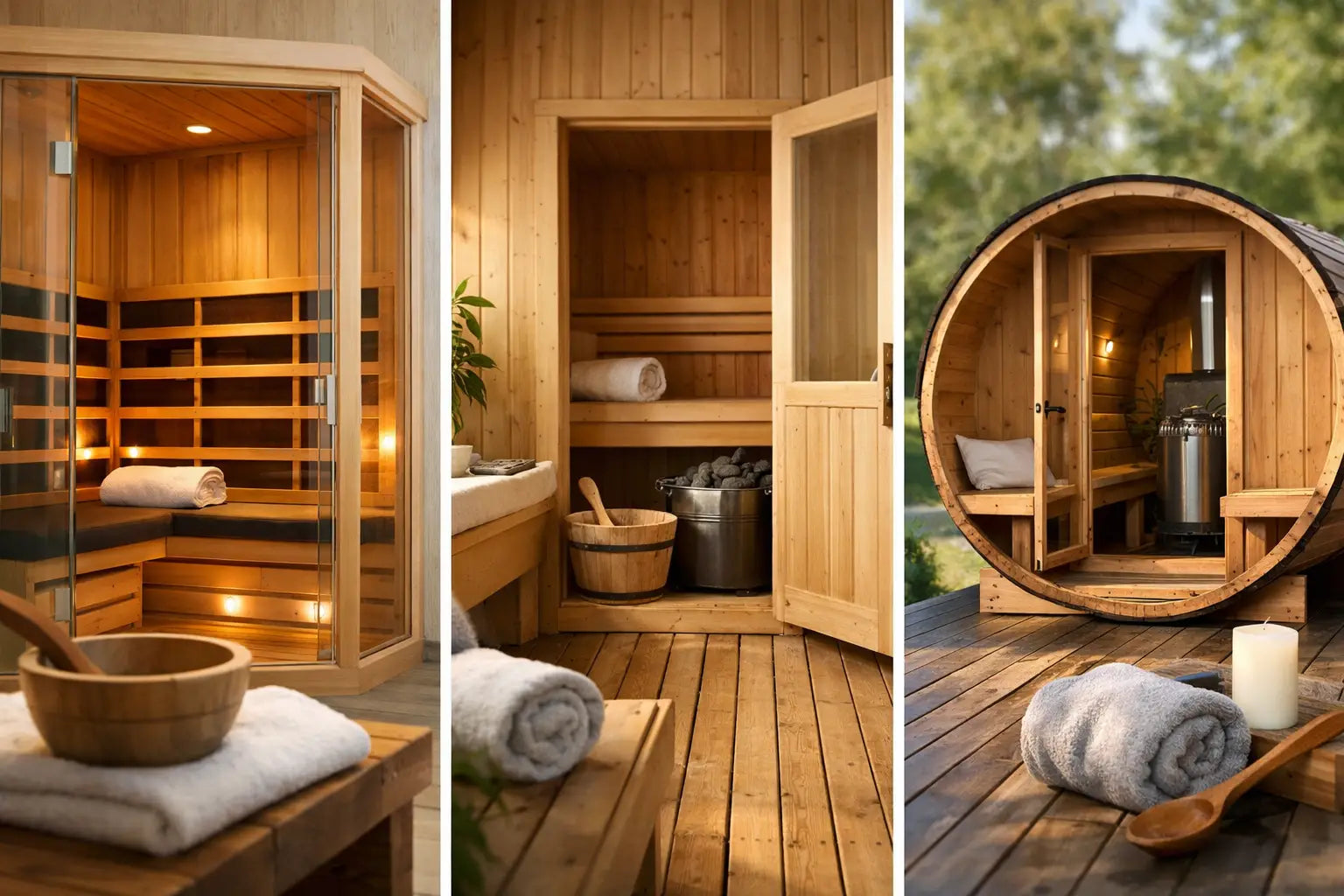
Indoor saunas require usable square footage and a room that can safely accommodate heat, ventilation needs, and electrical requirements. In a larger home, that may be easy. In a city home, condo, or carefully designed renovation, every interior foot matters. Giving up a guest room corner or gym footprint can feel expensive, even when the sauna itself fits.
Outdoor saunas solve a different problem. They preserve interior square footage and can make better use of underutilized backyard space, poolside areas, patios, or side yards. If your home already feels full, moving the sauna outside may be the most graceful answer.
That said, outdoor installation usually brings more site considerations. You may need to think about a level base, access paths, drainage, weather exposure, and proximity to power. Depending on the model and your property, permitting may also be part of the process. Indoor installs can be more straightforward in some cases, especially with compact units designed for residential use, but they still need thoughtful planning.
The real question is not just where a sauna can fit. It is where it can fit well.
Design and the Feel of the Space
A sauna is functional, but it is also deeply visual. It changes the energy of a room or an outdoor environment.
Indoor saunas tend to feel more integrated and refined when they are selected with the home in mind. They can extend the atmosphere of a primary suite, complement a gym, or complete a dedicated wellness room. If your goal is to create a polished interior sanctuary, an indoor sauna can feel quietly luxurious. It supports the kind of restorative routine that begins with dim lights, a shower, soft towels, and a return to warmth without ever leaving the house.
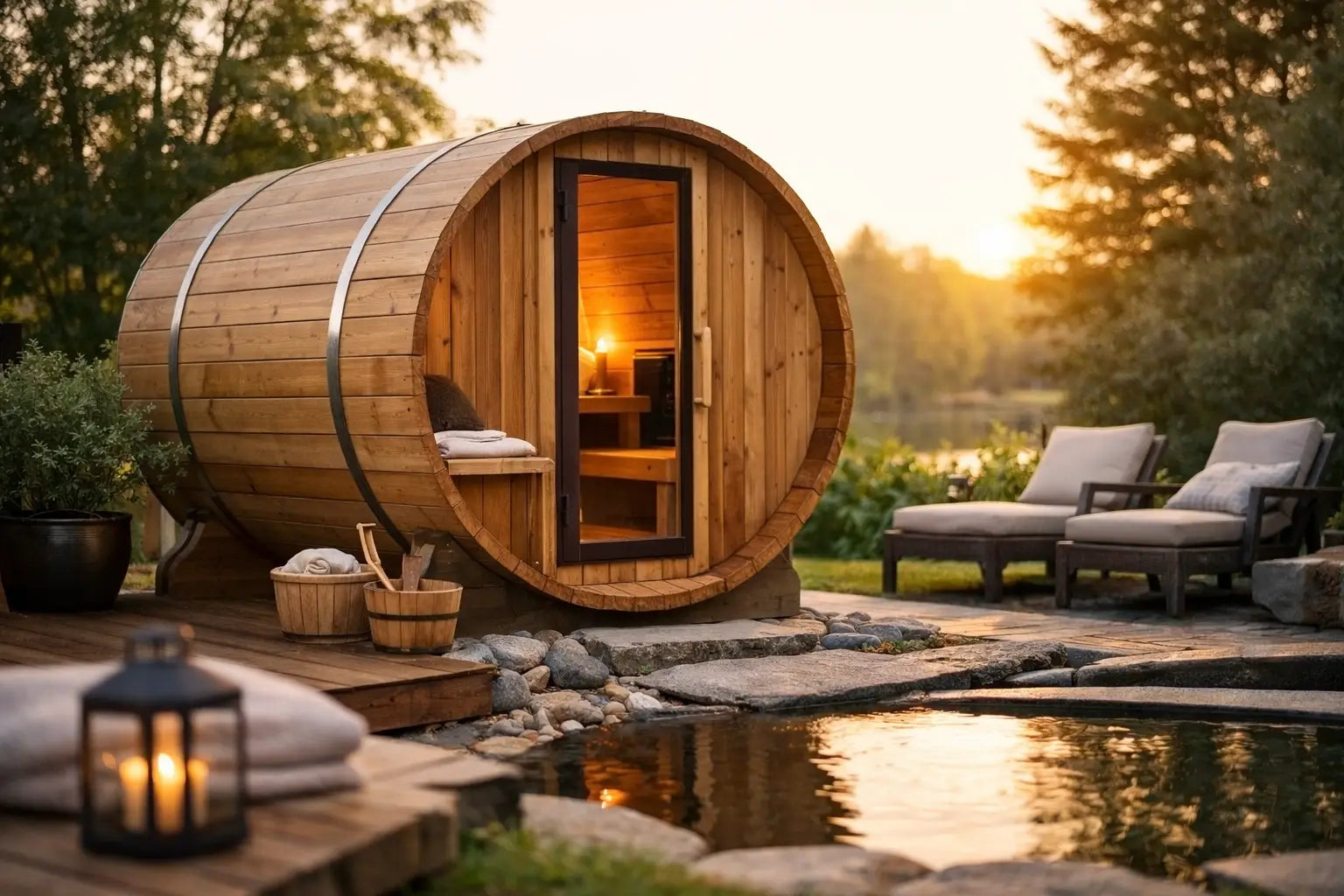
Outdoor saunas often make a stronger statement. They can anchor a backyard retreat and pair naturally with cold plunge setups, outdoor showers, pools, and garden spaces. The design payoff can be substantial. A well-placed outdoor sauna does not just serve recovery. It shapes how the entire exterior space is used.
This is often where aesthetics and lifestyle overlap. If you want your wellness practice to feel sheltered and private, indoor may be the cleaner answer. If you want it to feel transportive and elemental, outdoor often carries more emotional range.
Privacy, Noise, and Household Flow
Privacy can point the decision in either direction.
Inside the home, privacy may be easier to control if the sauna is placed in a primary suite, lower level, or dedicated wellness room. You are protected from neighbors, weather, and visibility concerns. At the same time, indoor saunas are still part of the home, which means proximity to children, guests, shared bathrooms, or everyday noise can affect the experience.
Outdoor saunas can feel more secluded, especially on larger properties or in landscaped settings. The separation alone can create calm. But privacy depends heavily on lot lines, fencing, window placement, and neighborhood density. A backyard sauna in a tightly packed suburb may need more screening than homeowners initially expect.
Think about the hour you are most likely to use it. Early morning before the house wakes up? Indoor may feel effortless. Evening under the stars after the day is done? Outdoor may become the moment you look forward to most.
Maintenance, Durability, and Long-Term Ownership
This is where romance should give way to honesty.
Indoor saunas are generally sheltered from rain, snow, wind, UV exposure, and seasonal debris. That often makes long-term upkeep easier. Materials face less environmental stress, and cleaning can be simpler because the unit sits in a controlled space.
Outdoor saunas need to be built and maintained for the elements. High-quality construction matters more, and so does ongoing care. Exterior wood, roofing, seals, and surrounding site conditions all influence how the sauna ages. None of that makes outdoor ownership a poor choice. It simply means durability should be part of the purchase decision, not an afterthought.
Energy use can vary by size, insulation, climate, and sauna type, but outdoor units may work harder in colder conditions. Indoor units benefit from the thermal stability of the home. The difference may or may not be meaningful depending on your region and usage pattern, but it is worth considering if efficiency is part of your priorities.
Which Sauna Is Better for Resale and Lifestyle Value?
Homeowners often ask whether indoor or outdoor adds more value. The honest answer is that lifestyle value usually matters more than resale math.
An indoor sauna can feel like a premium built-in amenity, especially in homes where wellness design is already part of the architecture. It may appeal to buyers who want recovery and relaxation integrated into everyday living.
An outdoor sauna can elevate the broader property experience, particularly in homes with strong outdoor living spaces. It can make a backyard feel like a private retreat rather than just a yard.
What tends to matter most is quality, placement, and coherence. A thoughtfully chosen sauna that suits the home will always feel more valuable than one that feels forced.
How to Choose With Clarity
If you want maximum convenience, easy daily access, and a wellness ritual that lives close to the center of your routine, indoor is often the stronger choice. If you want a more immersive retreat, prefer to preserve interior square footage, or love the idea of heat followed by fresh air and cold contrast, outdoor may be the better fit.
For many buyers, the best decision comes down to one simple question: where will you actually use it most consistently?
That is the lens WellNest Home encourages. Not just what looks impressive, but what supports meaningful recovery in real life. A sauna should help you exhale at the end of the day, recover with intention, and create a home that restores you.
Choose the setting that makes that return feel natural. The right sauna is the one that turns warmth into a ritual you keep.
Leave a comment
This site is protected by hCaptcha and the hCaptcha Privacy Policy and Terms of Service apply.