

Article: Sauna and Cold Plunge Routine That Works
Sauna and Cold Plunge Routine That Works
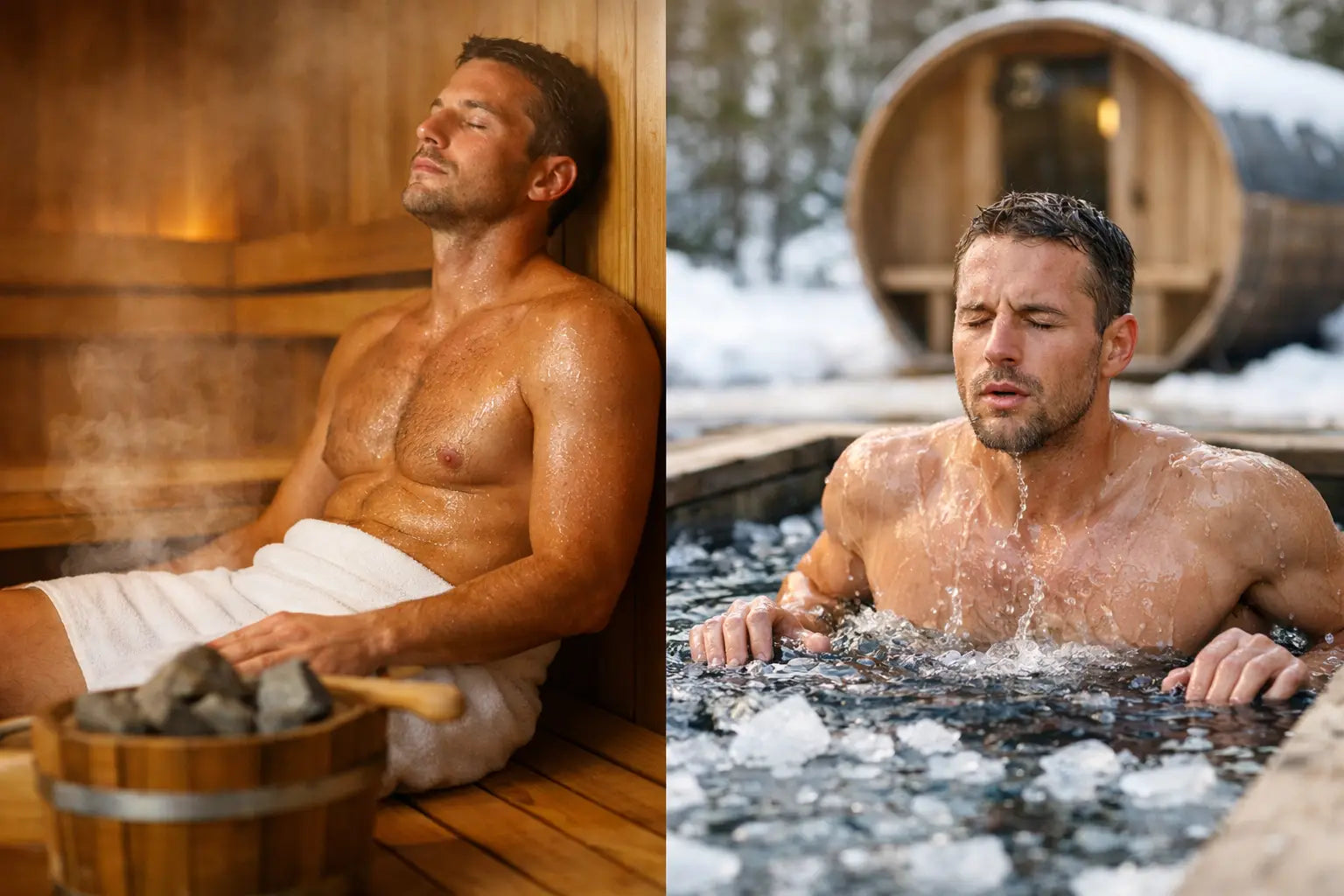
The best sauna and cold plunge routine is the one you will actually return to - not the most extreme version on social media, and not the one that leaves you shaky, depleted, or dreading the next session. When this ritual is built well, it can become one of the most grounding parts of your week: heat that softens tension, cold that sharpens awareness, and a recovery rhythm that helps you feel restored in your own home.
For many people, contrast therapy sounds simple until they try to structure it. How long should the sauna last? How cold is too cold? Should you start with heat or cold? The answer is less about chasing a perfect formula and more about matching the experience to your body, your goals, and the time you realistically have.
Why a sauna and cold plunge routine feels so effective
There is a reason this pairing has held attention for so long. Heat invites the body to relax, encourages sweating, and often helps muscles feel less guarded. Cold creates a very different signal - alerting, bracing, and distinctly clarifying. Together, they create contrast that many people experience as both energizing and deeply calming.
That shift matters in a modern home wellness setting. If your day is full of screens, meetings, training, parenting, or travel, the ability to move intentionally between warmth and cold can feel like a reset button. It marks a transition. You step out of the mental noise of the day and into a more physical, present state.
There are also practical reasons people build this ritual into their routines. Many use it to support exercise recovery, circulation, stress management, or sleep readiness. Others simply want a private recovery space that replaces the effort of booking spa appointments or driving to a wellness club.
Start with your goal, not the trend
A good sauna and cold plunge routine should reflect what you want from it. If your main goal is post-workout recovery, your timing and intensity may look different from someone using contrast therapy to unwind after work. If your focus is nervous system regulation, you may want gentler transitions and fewer rounds. If you are looking for an energizing morning ritual, the cold portion may take a more central role.
This is where people often overcomplicate things. You do not need to mimic athletes, influencers, or hard-core endurance communities for the routine to be effective. In fact, the people who benefit most over time are usually those who choose a sustainable cadence.
For a busy homeowner, that may mean two or three sessions a week in a dedicated wellness space. For someone who thrives on ritual, it may become a shorter but more frequent practice. The point is consistency, not theater.
The simplest sauna and cold plunge routine to begin with
If you are new to contrast therapy, begin with one round of sauna followed by one cold plunge, then rest and rewarm naturally. That is enough to learn how your body responds.
A practical starting point is 10 to 15 minutes in the sauna, followed by 30 seconds to 2 minutes in the cold plunge. Afterward, sit quietly, towel off, and allow your breathing to settle. Pay attention to how you feel in the next 10 minutes, not just in the first shock of cold.
If that feels steady and supportive, you can build to two or three rounds. Many experienced users enjoy 15 to 20 minutes of heat and 1 to 3 minutes of cold, repeated with rest between rounds. But more is not always better. A shorter session done with control often feels better than a long session that pushes your system too far.
Should you start with sauna or cold?
Most people begin with sauna. Heat prepares the body well, encourages relaxation, and makes the cold immersion feel purposeful rather than abrupt. Starting warm also tends to be more approachable for beginners.
There are exceptions. Some people prefer a brief cold exposure in the morning as a wake-up tool and use sauna later in the day to unwind. But if you are building a combined ritual, heat first is usually the most intuitive sequence.
How many rounds are ideal?
One to three rounds is enough for most home users. One round works well on busy days or when you are just starting. Two rounds often feels balanced. Three can be satisfying if you are experienced, hydrated, and not rushing.
Past that point, the ritual can stop feeling restorative and start feeling performative. The goal is to leave the session feeling clear, steady, and replenished.
Timing, temperature, and what to avoid
The strongest routine is not necessarily the hottest sauna or the coldest plunge. It is the one that creates a distinct contrast while still allowing you to remain in control.
For sauna, many people settle into a range that feels deeply warming without becoming overwhelming. The right temperature depends on whether you are using infrared, traditional, or steam heat. Each experience lands differently in the body, and each can support a contrast ritual when used thoughtfully.
For cold plunge, a temperature that feels unquestionably cold is enough. You do not need to force near-freezing exposure to get value. In a home setting, especially if consistency is the goal, many people do better with a cold plunge they can enter calmly and stay in with steady breathing rather than one that immediately sends them into panic.
Avoid a rushed transition if you feel dizzy, lightheaded, or unusually fatigued in the sauna. Step out, cool down gradually, hydrate, and reassess. Contrast therapy should feel invigorating, not punishing.
How to make the routine feel better in your body
Breath changes everything. If you tense up before the plunge, the cold tends to feel harsher. If you enter slowly, focus on a long exhale, and resist the urge to fight the sensation, the experience often becomes more manageable within the first few moments.
It also helps to remove the pressure to stay in for a dramatic amount of time. Thirty controlled seconds can be more useful than two frantic minutes. The body responds to the quality of the exposure, not just the number on a timer.
Your rewarming phase matters too. After the cold plunge, many people instinctively want to jump back into heat immediately. Sometimes that feels good, especially if you are doing multiple rounds. But in some cases, sitting quietly for a minute or two and allowing the body to rewarm on its own creates a more satisfying sense of recovery.
When to use contrast therapy in your week
This depends on your lifestyle and training load. After strength training or a demanding workday, a sauna session followed by cold can feel like a clean line between output and recovery. In the evening, some people prefer to end with warmth rather than cold because it feels more settling before bed.
In the morning, contrast therapy can be wonderfully clarifying if you want to awaken to focus and physical presence. Just keep the session measured. A home ritual should support the day ahead, not exhaust you before it begins.
If you exercise at a high level, timing may matter more. Some athletes prefer to separate intense cold exposure from certain training sessions depending on their recovery goals. This is one of those it-depends areas where a more tailored approach makes sense.
Safety matters more than intensity
If you have cardiovascular concerns, blood pressure issues, are pregnant, or have any medical condition that could affect your response to heat or cold, speak with a qualified healthcare provider before starting a sauna and cold plunge routine. This is especially true if you are new to either modality.
Even for healthy adults, hydration, pacing, and body awareness matter. Do not use alcohol before contrast therapy. Do not force longer exposures because someone else tolerates them well. And do not ignore warning signs such as chest pain, extreme dizziness, numbness that feels wrong, or lingering distress after a session.
There is a difference between healthy discomfort and a body that is asking you to stop. Learning that difference is part of building a mature practice.
Bringing the ritual home
What makes at-home wellness so compelling is not only convenience. It is the ability to shape an environment that invites consistency. When your sauna and plunge are part of your daily surroundings, the experience becomes less like an occasional indulgence and more like a meaningful rhythm of care.
That shift is powerful. A well-designed home setup turns recovery into something you can return to after travel, after workouts, after long conversations, after ordinary stressful Tuesdays. It gives the ritual a place to live.
This is where thoughtful curation matters. The right setup should fit your space, your aesthetic, and your real habits. For some, that means a compact infrared sauna paired with a sleek plunge tub. For others, it means creating a full indoor-outdoor retreat that feels like stepping into a private sanctuary. WellNest Home approaches this category with that larger vision in mind: not as a collection of gadgets, but as a recovery ritual designed to support how you want to live.
The most effective routine is rarely the most intense one. It is the one that helps you return to warmth, meet the cold with steadiness, and step back into your life feeling more like yourself.
Leave a comment
This site is protected by hCaptcha and the hCaptcha Privacy Policy and Terms of Service apply.