

Article: Recovery Tools for Athletes at Home That Earn Their Space
Recovery Tools for Athletes at Home That Earn Their Space
The best recovery tools for athletes at home do more than fill a corner of the garage. They remove friction from the hours after training, when a commute to a spa or a complicated appointment is the last thing you need. A well-designed recovery space makes it easier to return to warmth, release the day’s tension, and give your body a consistent cue that effort has ended and restoration can begin.
For most athletes, the goal is not to own every trending device. It is to build a ritual that supports the way you actually train, live, and recover. A runner managing heavy mileage, a strength athlete navigating demanding sessions, and a busy professional fitting workouts around family life may all benefit from different tools. The right home setup is personal, practical, and designed to be used often.
Start With the Recovery Need, Not the Product
Recovery is not a single outcome. It can mean easing the stiffness that follows a long ride, creating a calmer transition after a high-pressure day, supporting comfortable movement before tomorrow’s training, or simply protecting time to rest. Before choosing equipment, consider what consistently gets in your way.
If your body feels tight and guarded after strength work, mobility tools and heat may be the most useful starting point. If you train in hot conditions, play field sports, or finish intense intervals feeling overheated, cold exposure may deserve more attention. If your greatest challenge is winding down, a sauna ritual or gentle red light session can create a more restorative evening rhythm.
This distinction matters because premium recovery equipment should earn its footprint. A beautiful tool that does not fit your schedule, space, or tolerance will not become part of your routine. The most effective setup is often a small collection of complementary tools, not an overcrowded wellness room.
Recovery Tools for Athletes at Home: The Core Options
Heat therapy for a deeper exhale
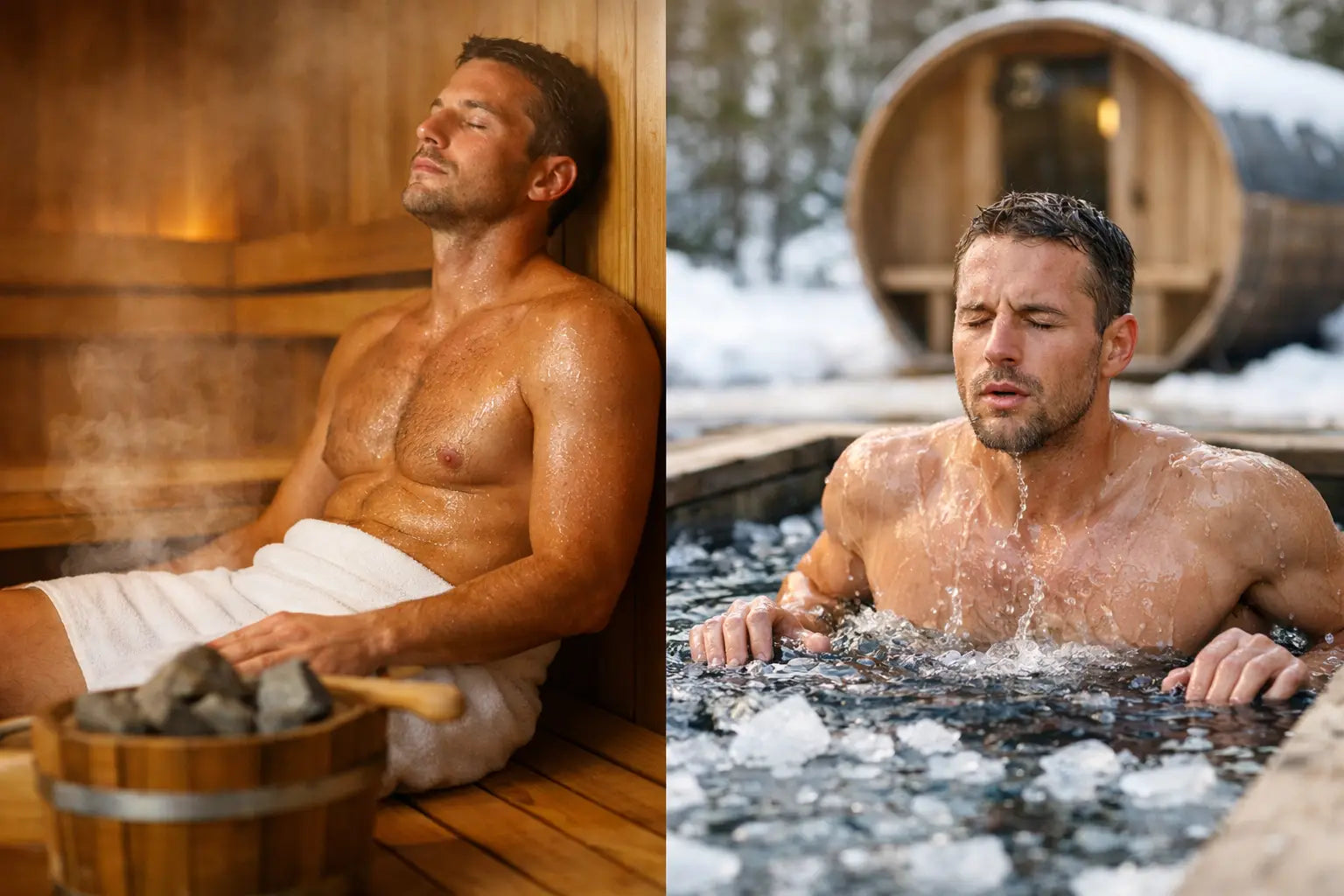
An infrared, traditional, or steam sauna gives athletes a dedicated place to slow down. The sensation of warmth can help relax tense muscles and invite a shift out of the alert, driven state that often follows training. Many people also value sauna time because it creates a protected window away from screens, work demands, and the next item on the calendar.
The best choice depends on the experience you want. Infrared saunas provide gentle radiant heat and are often favored for a quieter, more gradual session. Traditional saunas offer the familiar dry, high-heat ritual many people associate with athletic recovery. Steam creates a humid environment that can feel especially comforting after dry winter days or demanding training blocks.
Heat is not a substitute for sleep, nutrition, or appropriate training load. It is a supportive ritual. Hydrate before and after, begin with shorter sessions, and avoid using a sauna when you are ill, dehydrated, or feeling lightheaded. Anyone with cardiovascular concerns, pregnancy, or a medical condition should speak with a qualified clinician before beginning heat therapy.
Cold plunges for deliberate resilience
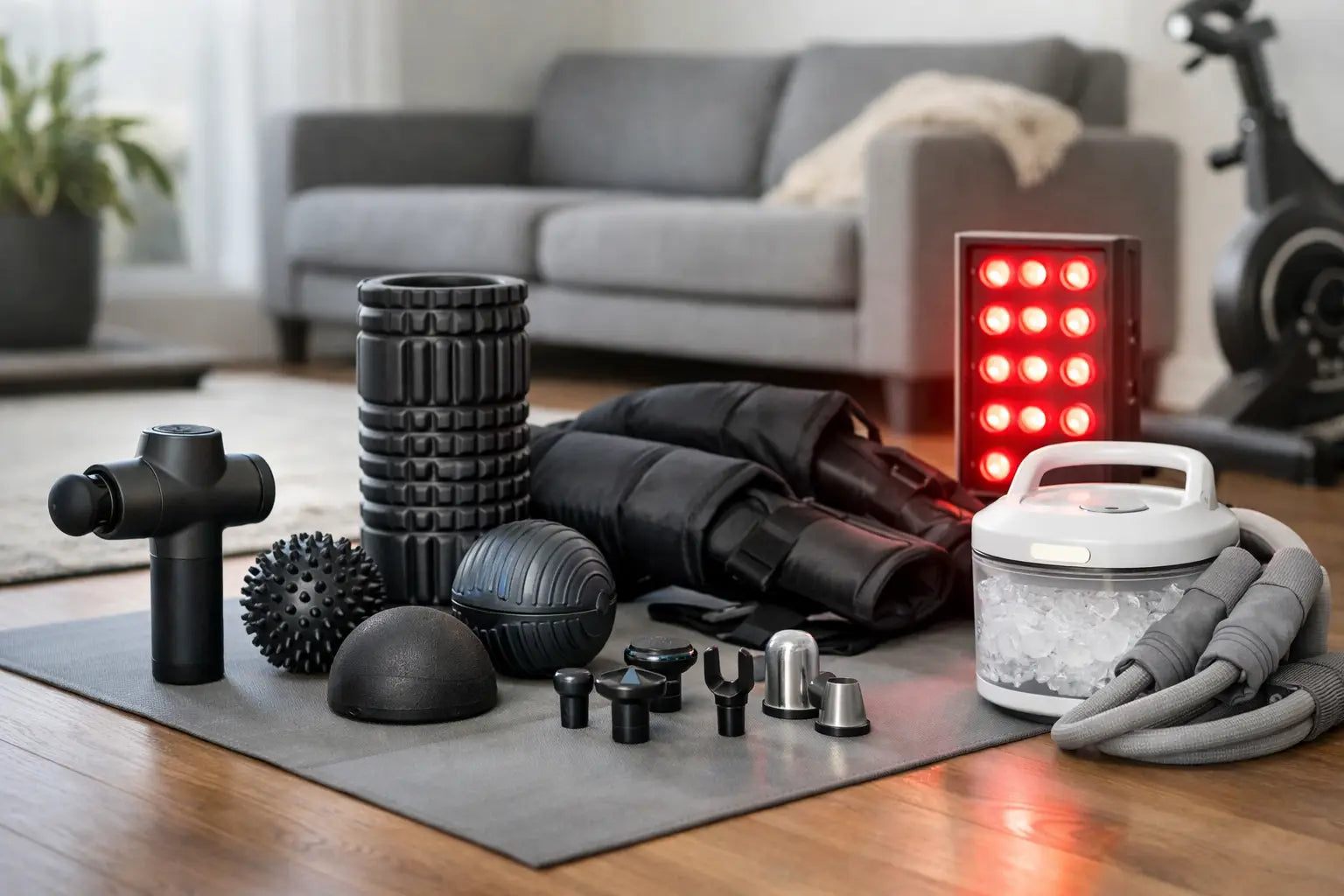
A cold plunge tub brings a bracing, highly intentional practice into the home. For athletes, cold water can feel clarifying after hard efforts and may help with the immediate perception of soreness and fatigue. It is also remarkably efficient: a brief, consistent session is easier to maintain than a recovery practice that requires an hour outside the house.
Timing is where nuance matters. Cold exposure can be appealing after competition, long endurance sessions, or periods when you need to feel ready for another demanding effort. But if maximizing strength and muscle-building adaptations is your primary goal, frequent cold immersion immediately after resistance training may not be the best fit. In that case, separate your plunge from lifting by several hours or reserve it for rest days and high-stress periods.
Choose a tub and chiller arrangement that makes clean water maintenance realistic. Temperature control, filtration, sanitation, and a comfortable entry point matter just as much as the visual statement of the tub itself. Start conservatively, never plunge alone if you are inexperienced or have a relevant health concern, and step out if you feel faint, numb, or unwell.
Red light therapy for a quiet daily practice
Red light therapy panels offer a low-disruption option for athletes who want a brief, repeatable ritual. A session can fit naturally before mobility work, after a shower, or during an evening wind-down. Many people appreciate the calm, focused pause as much as the light itself.
Panel quality, wavelength range, treatment distance, and coverage area all influence the experience, which is why a thoughtfully selected device matters. Follow the manufacturer’s guidance for distance and session length rather than assuming longer is better. Protect your eyes as directed, and be particularly thoughtful if you take medications associated with light sensitivity or have a medical condition that affects your response to light.
Red light therapy is best viewed as one layer in a wider recovery system. It cannot compensate for chronically short sleep or a training plan that exceeds your current capacity. Its real appeal is consistency: a simple practice that is easy to repeat without leaving home.
Mobility accessories for the work you can feel
The least glamorous tools are often the ones that see the most use. A quality foam roller, massage ball, stretching mat, and supportive mobility accessories can help athletes spend a few focused minutes addressing the areas that routinely feel restricted. They are ideal beside a sauna, near a red light panel, or in the bedroom where they remain visible enough to use.
There is no need to force intense pressure or chase discomfort. Slow, controlled mobility work and gentle self-massage are generally more useful than turning every session into a test of tolerance. Focus on positions and movements that help you feel more comfortable and capable, then reassess after a few minutes.
Build a Recovery Space You Will Return To
The setting shapes the ritual. A cold plunge on a covered patio may be perfect for someone who wants an invigorating morning reset, while a sauna and red light panel in a finished basement may better suit an evening recovery routine. Consider plumbing, electrical requirements, ventilation, flooring, privacy, and maintenance before making a purchase. These details protect both the investment and the likelihood that you will use it.
Think in sequences rather than isolated products. You might move through ten minutes of easy mobility, a sauna session, a shower, and a few quiet minutes under red light. Or, after a summer training day, you might choose a short cold plunge followed by hydration and a simple meal. The sequence should feel inviting, not like another performance metric.
For a more refined sanctuary, keep towels, water, and cleaning supplies within reach. Add soft lighting, a place to sit, and an aromatherapy element that signals a change of pace. These are not superficial touches. They reduce the small barriers that cause a well-intended recovery ritual to become an unused purchase.
Let Your Training Week Guide the Ritual
Recovery tools are most helpful when they respond to your real schedule. After a hard training day, choose the modality that feels supportive and manageable. On a rest day, you may have more room for a longer sauna session, mobility practice, or a contrast routine that moves between heat and cold. During a lighter week, you may need less intervention and more sleep.
Pay attention to the signals that matter: sleep quality, mood, persistent soreness, motivation, and how your body feels as you begin to train. If fatigue continues to build, the answer may be a reduced training load, additional calories, hydration, or professional guidance rather than another recovery session. Home tools work best when they reinforce sound fundamentals.
WellNest Home approaches recovery as an intentional environment, not a collection of quick fixes. The right equipment can make restoration feel less like a task you should complete and more like a place you are genuinely drawn to return to.
Create a space that meets you where your training ends. Whether that means the enveloping heat of a sauna, the clear edge of cold water, or ten quiet minutes of mobility under warm light, the most valuable ritual is the one that helps you show up tomorrow feeling more at home in your body.
Leave a comment
This site is protected by hCaptcha and the hCaptcha Privacy Policy and Terms of Service apply.