

When Cold Therapy After Strength Training Helps
That post-lift feeling can be deeply satisfying: muscles worked, mind cleared, and the rest of the day ready to slow down. Cold therapy after strength training can fit beautifully into that ritual, especially when soreness, heat, or a demanding training block leave you craving relief. But a cold plunge is not simply a harder-working version of a cool shower. Its best use depends on what you are training for and when you plan to use it.
For someone building strength and muscle, the answer is more nuanced than “plunge after every workout.” Cold exposure can make you feel better in the short term, yet that same response may slightly blunt some of the cellular signaling involved in long-term muscle adaptation when it becomes an immediate, frequent habit. The goal is not to avoid cold therapy. It is to place it thoughtfully within a recovery routine that honors both performance and progress.
Why Cold Feels So Good After Lifting
Strength training creates small amounts of muscle damage and a temporary inflammatory response. That process is not inherently bad. It is part of how the body repairs, adapts, and becomes more capable. Still, the resulting tenderness, stiffness, and fatigue can make stairs feel personal the next morning.
Cold water immersion lowers skin and muscle temperature, constricts blood vessels, and changes how the nervous system perceives discomfort. Many people notice a rapid sense of calm and alertness afterward. Research also suggests that cold-water immersion can reduce perceived muscle soreness and may help athletes feel more recovered between closely scheduled bouts of exercise.
That distinction matters. Feeling recovered and being fully recovered are related, but not identical. If you have a tournament, a second training session, a long hike tomorrow, or a physically demanding week ahead, less soreness can be genuinely useful. If today’s session was designed primarily to build muscle, protecting every part of the adaptation process may deserve more weight.
Cold Therapy After Strength Training: The Timing Question
Cold therapy immediately after resistance exercise may dampen some of the inflammation and blood-flow changes that help initiate muscle repair. Over months of frequent use, particularly after every hypertrophy-focused workout, this could modestly reduce gains in muscle size or strength for some people.
This does not mean one cold plunge will erase a productive leg day. Training quality, progressive overload, adequate protein, sleep, and consistency have far more influence on results. It does mean that timing is a practical lever worth using.
If building muscle or maximizing strength is your central goal, consider waiting several hours before cold exposure, or reserving it for rest days and lighter training days. Some people prefer an evening plunge after a morning lift, allowing the immediate post-workout window to remain focused on food, hydration, and a gradual return to baseline.
If your priority is rapid turnaround, pain management, or simply arriving at tomorrow’s training feeling more comfortable, an earlier plunge may make sense. Competitive athletes often have different recovery demands than someone following a three-day-per-week lifting plan. Neither approach is universally right. The question is whether you need to feel fresher tomorrow or adapt as much as possible to today’s stimulus.
When an Immediate Plunge May Be Worth It
An immediate cold session can be a reasonable choice after an unusually demanding event, a high-volume workout that leaves you exceptionally sore, or a training day within a packed schedule. It can also be a useful tool during travel, when disrupted sleep and long hours sitting can leave the body feeling heavy and inflamed.
The same logic applies when lifting supports another priority. A runner strength training during a high-mileage block, for example, may value lower perceived soreness and fresher legs over squeezing out every possible adaptation from the weight room. Recovery should serve the season you are in.
When Waiting Is the More Intentional Choice
After a carefully planned strength or hypertrophy session, allow your body time to do the work you asked of it. Eat a balanced meal with sufficient protein and carbohydrates, rehydrate, and move gently through the rest of your day. A later cold plunge can still become a calming evening ritual without sitting directly on top of your workout.
This approach is particularly sensible when you are new to strength training, returning after time away, or pursuing a dedicated muscle-building phase. Your muscles need recovery, but they also need the signal to rebuild.
A Practical Cold Plunge Protocol
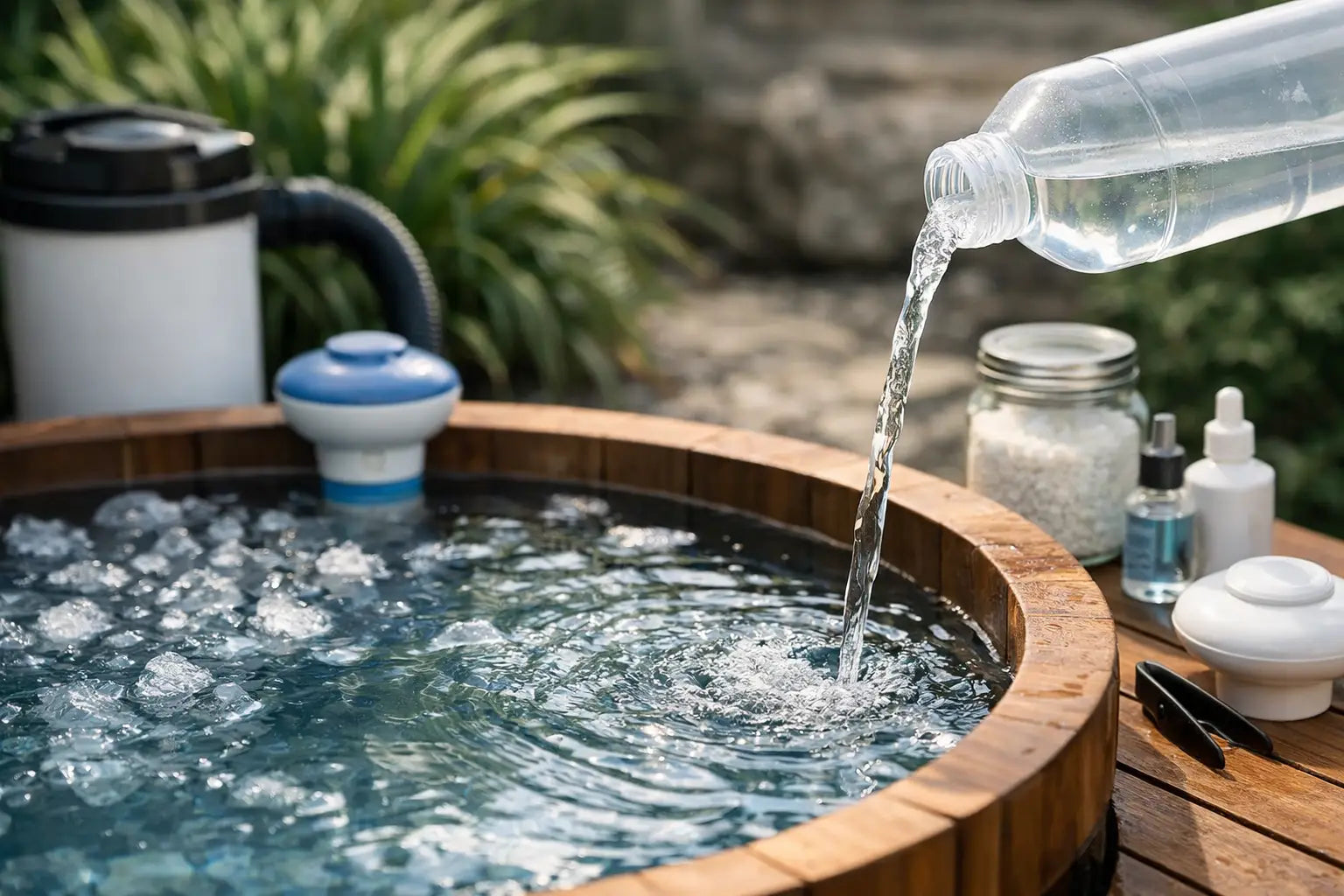
More is not always better with cold. Start with water around 50 to 59 degrees Fahrenheit and remain in for one to three minutes. Over time, many healthy adults can work toward three to six minutes, depending on water temperature, comfort, and experience. Very cold water requires less time, not more.
Enter slowly, keep your breathing controlled, and avoid treating discomfort as a test of character. The first minute can feel intense, but slow exhales help the nervous system settle. Keep your head above water, especially when you are new to the practice, and step out if you feel dizzy, numb, panicked, or unwell.
A brief, consistent practice is more valuable than an extreme session that leaves you depleted. Two or three cold sessions a week may be plenty for a recreational lifter. During a demanding training or travel period, you might use it more often for a short time, then return to a less frequent rhythm.
Build Recovery Around More Than Temperature
A beautiful cold plunge can become a powerful anchor for recovery, but it cannot replace the essentials. The most restorative post-training routine begins with enough total food, protein distributed across the day, hydration, and sleep. Easy walking, gentle mobility, and a few quiet minutes away from screens can further help the body shift out of performance mode.
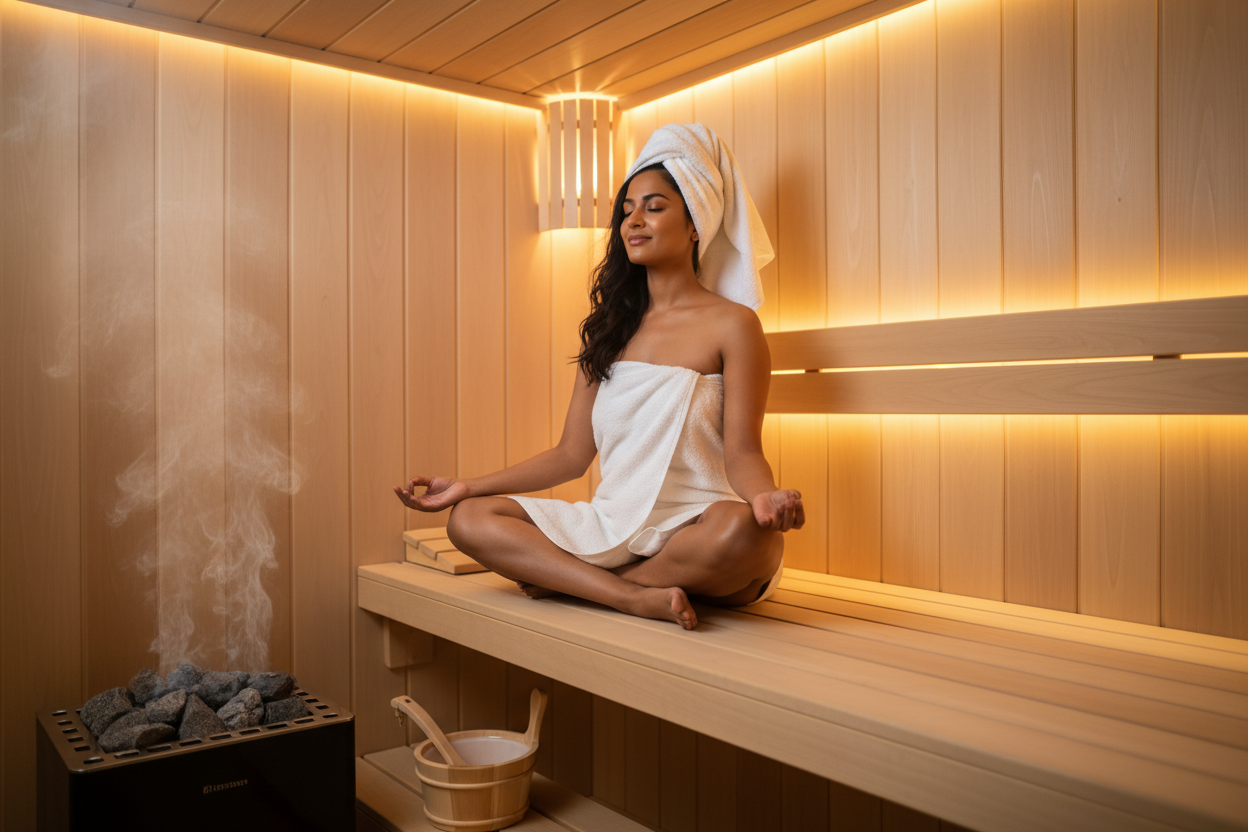
There is also room for contrast. On days when you feel stiff rather than acutely sore, warmth may be the better invitation. A sauna session, warm shower, or heated space can relax tight-feeling muscles and create a softer transition into the evening. Some people enjoy using warmth and cold at different times of day rather than rapidly alternating them. Notice what leaves you restored, not merely stimulated.
At WellNest Home, we often think of recovery equipment as part of a considered home ritual rather than a collection of isolated tools. The right setting makes consistency easier: a clean towel within reach, softened lighting, water nearby, and enough privacy to breathe without rushing. Those details turn recovery from another task into time you will actually protect.
Safety Deserves a Place in the Ritual
Cold exposure creates a rapid cardiovascular response. Speak with a qualified clinician before beginning if you have heart disease, uncontrolled high blood pressure, circulation concerns, Raynaud’s phenomenon, neuropathy, diabetes-related complications, are pregnant, or take medications that affect blood pressure or heart rate. This is especially important before using very cold water or longer exposures.
Avoid plunging alone when you are inexperienced, after alcohol or recreational drug use, or when you are severely fatigued or ill. Never force yourself to stay submerged through shivering that becomes intense, confusion, chest discomfort, or a feeling that something is wrong. Cold therapy should leave you clear and steady, not depleted.
A cold plunge works best when it supports the life you want outside the water: training with confidence, moving through your day with less friction, and returning home to a space that helps you reset. Let your goals determine the timing, and let the ritual remain calm enough to keep.
Leave a comment
This site is protected by hCaptcha and the hCaptcha Privacy Policy and Terms of Service apply.