

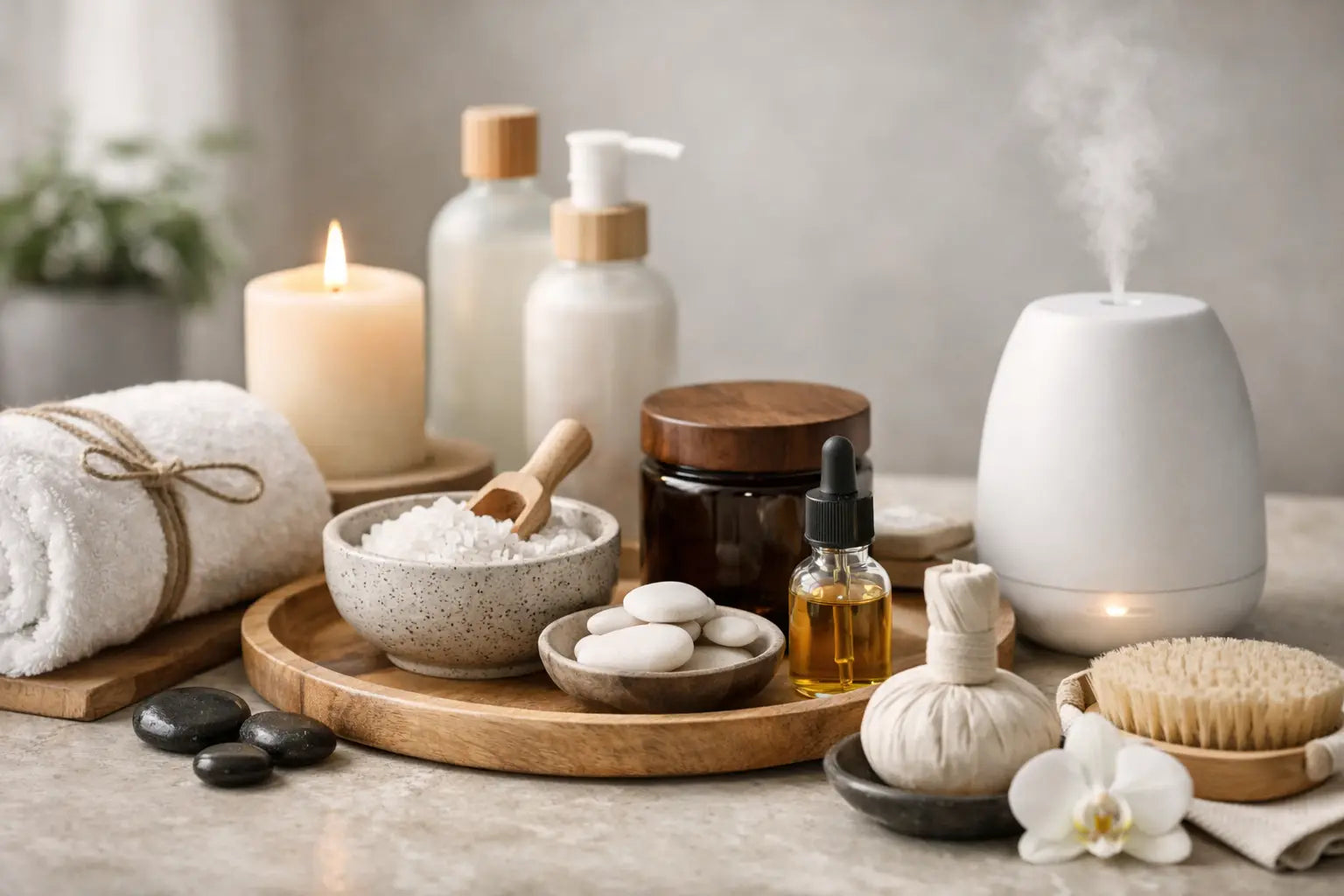
Luxury Home Spa Essentials That Earn Their Space
A restorative home spa is not defined by a crowded shelf of products or a room styled for a single photo. The most meaningful luxury home spa essentials create a repeatable shift in how you feel: tension softens, your breathing slows, muscles recover, and the demands of the day begin to recede. For a home that supports real wellness, every element should earn its place through comfort, performance, and the likelihood that you will return to it often.
The strongest spaces begin with a simple question: what do you need most when you walk through the door? Some households need a warm place to decompress after long workdays. Others are building a recovery ritual around training, sleep, circulation, or mental clarity. Your answer should shape the room more than any passing design trend.
Start With the Ritual, Not the Room
Before choosing a sauna, tub, or therapy panel, picture the fifteen to forty minutes you want to protect for yourself. A morning ritual may call for bright, invigorating light and a brief cold plunge. An evening practice often benefits from heat, low lighting, gentle aroma, and a place to sit quietly afterward. The equipment matters, but the sequence is what turns equipment into a ritual.
This approach also keeps a luxury wellness investment focused. A large traditional sauna can be an exceptional choice for a household that enjoys long, social heat sessions and has the dedicated electrical capacity and floor space. An infrared sauna may make more sense when gentler, more frequent heat is the goal. Neither is universally better. The right choice depends on your available space, heat preference, health considerations, and how you expect to use it on an ordinary Tuesday.
Create a designated transition into the ritual as well. It might be a teak bench, a hook for a robe, a small tray for water, or a basket for clean towels. These details are modest, yet they eliminate friction. When the space is ready for you, it is easier to choose recovery over one more hour at your desk.
The Core Luxury Home Spa Essentials
Heat for release and restoration
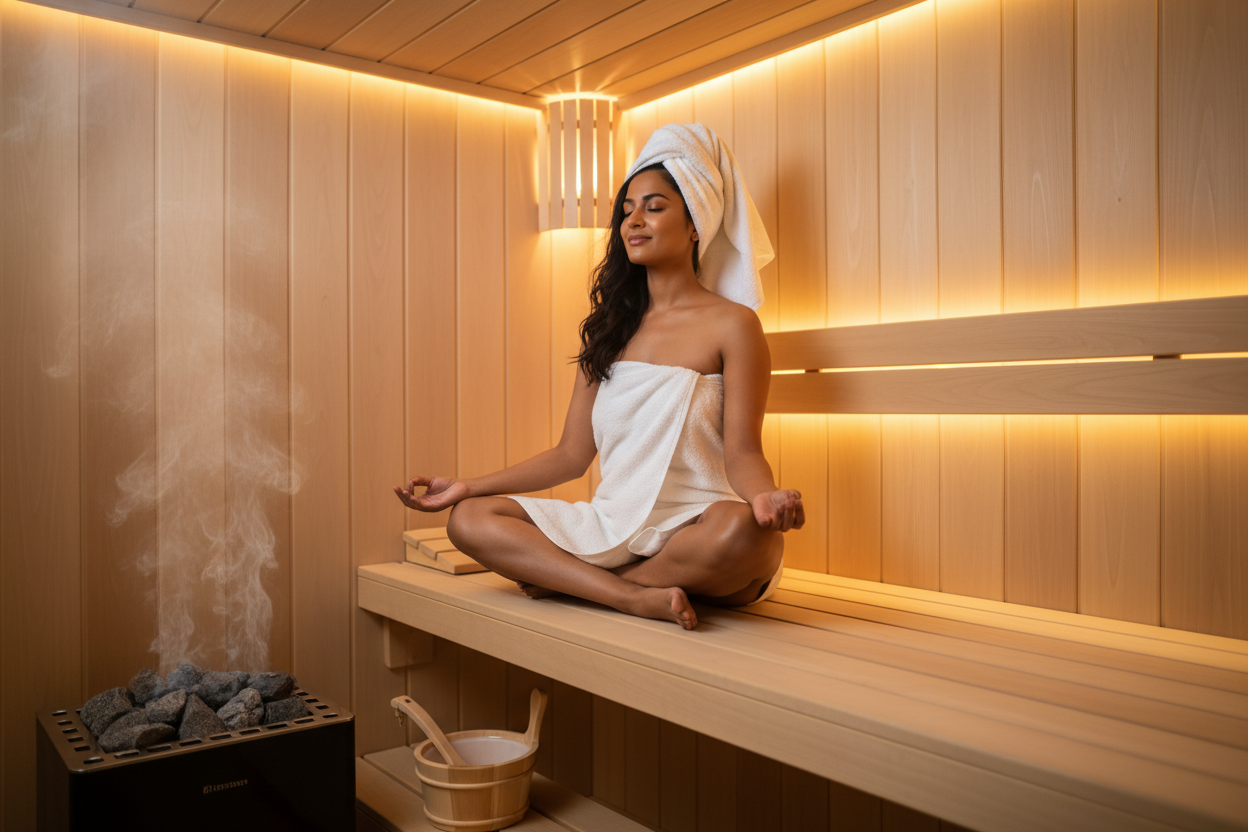
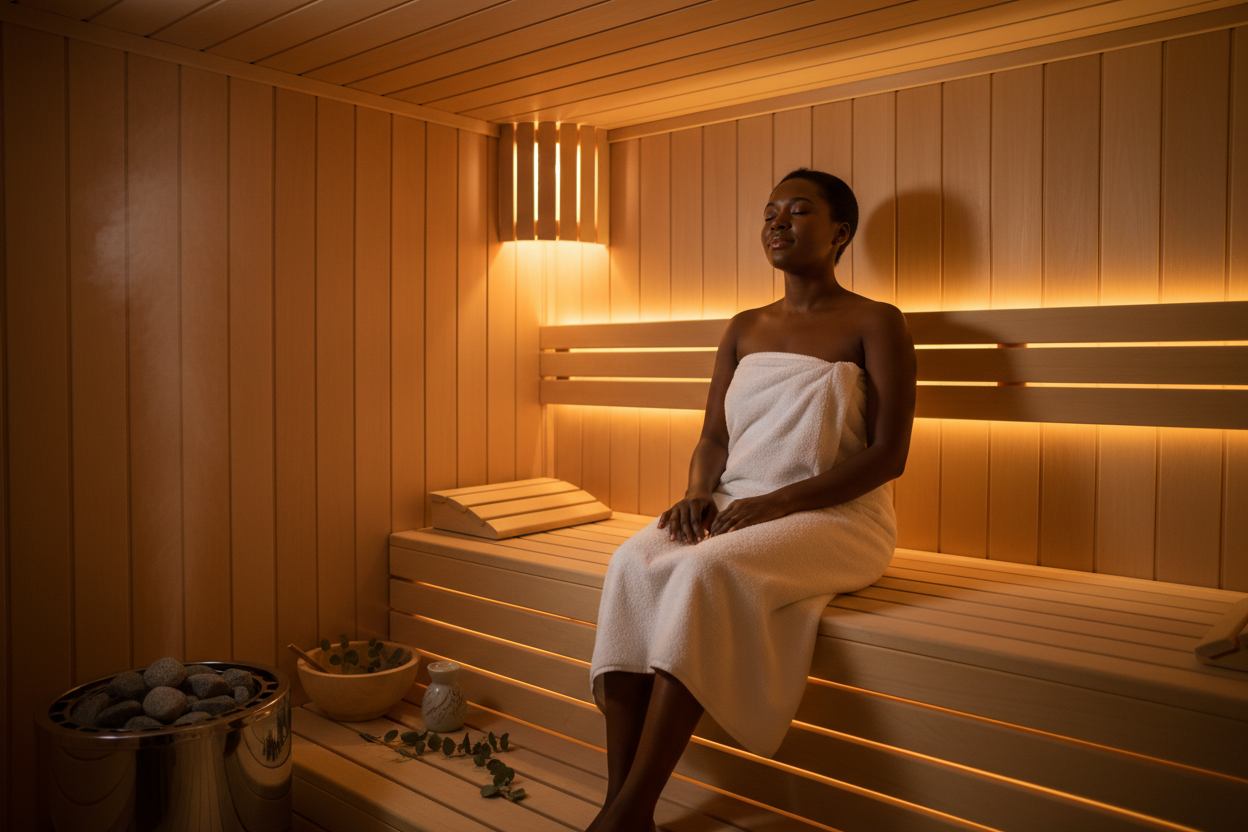
Heat is often the anchor of an at-home spa because it asks very little of you. Step inside, settle in, and allow warmth to become the signal that the day is changing. Depending on the model and your routine, a sauna can support post-workout comfort, relaxation, and a sense of calm before bed.
A sauna deserves careful planning. Measure not only its footprint, but also clearance requirements, ceiling height, ventilation, flooring, and the path required to bring it into the home. Traditional, steam, infrared, barrel, and outdoor designs each create a distinct experience. Steam brings enveloping humidity, while infrared offers a lower ambient temperature that many people find approachable for regular use. Outdoor and barrel saunas add a beautiful destination-like quality, but require thoughtful site preparation and weather-ready access.
For safety, follow manufacturer guidance, stay hydrated, and speak with a qualified clinician before beginning sauna use if you are pregnant or managing cardiovascular concerns, blood pressure issues, or other medical conditions.
Cold for clarity and recovery
Cold water changes the tone of a ritual immediately. A cold plunge can feel bracing, clarifying, and deeply satisfying, particularly after exercise or a heat session. It is also a commitment: the best setup is not simply the coldest one, but the one you can maintain with clean water, reliable temperature control, and a safe entry and exit.
A dedicated cold plunge with a chiller offers precision and consistency, especially for frequent users. A simpler tub may suit someone who is curious about cold exposure but does not yet know whether it will become a steady practice. Consider drainage, electrical needs, water treatment, filtration, and the flooring beneath the tub before purchasing. A beautiful plunge is less restorative if upkeep becomes a weekly burden.
Cold exposure does not need to be an endurance contest. Start conservatively, listen to your body, and prioritize controlled breathing over a timer. People with certain heart, circulatory, or neurological conditions should seek medical guidance before using cold immersion.
Light that supports a focused practice
Red light therapy can bring a more clinical dimension to a spa-like room. A quality panel gives you a dedicated place to pause while supporting a recovery-oriented routine. It can be especially appealing to people who value a quick, structured wellness practice before work, after training, or as part of an evening wind-down.
Panel size should follow your intended use. A compact device can serve targeted areas and fit easily into a bedroom or home gym. A larger panel is more practical for those who want broader coverage without repeatedly repositioning. Look beyond appearance to irradiance information, wavelengths, treatment distance, timer controls, eye protection guidance, and the manufacturer’s usage recommendations. Light therapy is most useful when used consistently and appropriately, not when treated as a cure-all.
Water, textiles, and the comfort of staying awhile
The most luxurious spaces make basic needs feel considered. Keep filtered water within reach, ideally in a glass carafe or insulated bottle that fits the room’s aesthetic. Add generous towels, a supportive robe, and washable slippers with grip. Natural materials such as cotton, linen, stone, and teak offer warmth and durability without making the room feel overly decorated.
A practical note: choose textiles you can easily launder. Spa rituals involve moisture, body oils, and frequent use. Two sets of towels are usually more useful than one expensive set that never quite makes it through wash day.
Scent and sound as finishing layers
Aromatherapy can make a familiar room feel distinct from the rest of the house. Eucalyptus feels fresh and clarifying; lavender may suit an evening reset; cedar and fir bring a grounding, outdoors-inspired quality. Use scent with restraint. The goal is a soft sensory cue, not a fragrance that overwhelms the warmth of the room or lingers into the next day.
Sound should be equally intentional. Some people prefer a quiet room where they can hear their own breathing. Others settle more easily with a low-volume ambient playlist, rain sounds, or a guided meditation. Build in a safe, moisture-appropriate way to play audio rather than balancing a phone on the edge of a tub or sauna bench.
Design for Use, Not Just Atmosphere
A spa space does not need a dedicated wing of the home. A finished basement corner, a primary bathroom, a home gym, a covered patio, or a well-planned garage can become restorative. What matters is that the environment feels clean, private, and easy to access.
Use layered lighting rather than relying on overhead brightness alone. Dimmable warm lighting helps signal evening rest, while brighter lighting near a mirror or red light setup makes daytime use more functional. Floors should be slip-resistant and able to handle water. Add a non-slip mat where you step out of a plunge or shower, and keep pathways clear.
Storage protects the experience. Closed cabinetry or attractive baskets can hold towels, water-care supplies, eye protection, and aromatherapy items without turning the room into a utility closet. Keep the visual field calm, but do not hide the tools needed for proper maintenance. A wellness space should feel effortless because it is organized, not because practical needs have been ignored.
Build in Phases When the Vision Is Larger Than the Budget
Not every home spa needs to arrive all at once. In fact, phased planning often produces a better result. Begin with the modality that will most improve your week, then shape the supporting environment around it. A sauna and a recovery bench may deliver more daily value than a room full of devices used once a month.
If you are deciding between major pieces, consider frequency, maintenance, installation requirements, and the number of people who will use them. A consultation can be valuable when electrical planning, outdoor placement, or multiple modalities are involved. At WellNest Home, that guidance is part of making a high-consideration purchase feel grounded rather than overwhelming.
The final measure of a luxury home spa is not whether it resembles a resort. It is whether, after a demanding day, it gives you a reason to return to warmth, breathe more slowly, and make recovery a part of life at home.
Leave a comment
This site is protected by hCaptcha and the hCaptcha Privacy Policy and Terms of Service apply.