

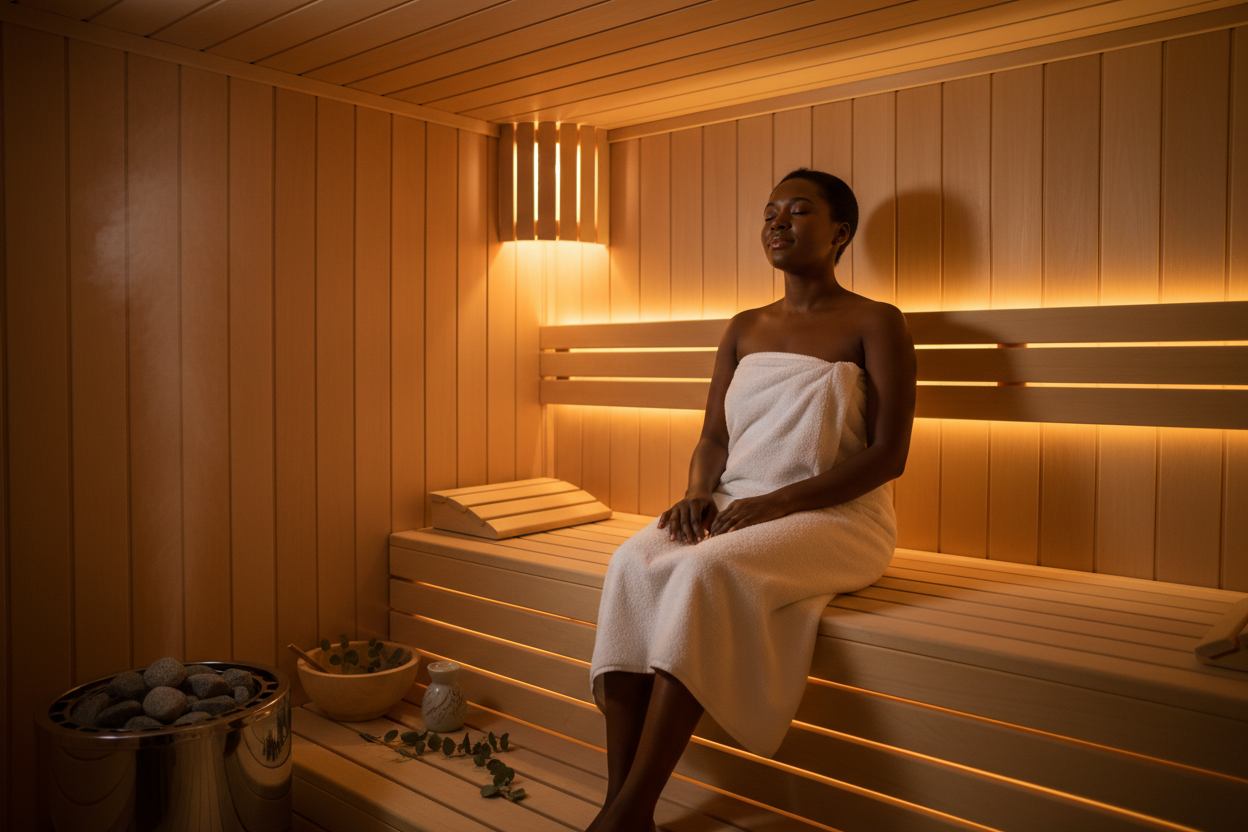
How to Start Sauna Bathing for Lasting Recovery
The first few minutes of sauna bathing can feel surprisingly personal. Your shoulders begin to soften, your breathing slows, and the demands of the day lose some of their edge. Learning how to start sauna bathing is less about pushing through intense heat and more about creating a repeatable ritual that supports recovery, calm, and connection with your body.
For a beginner, the best sauna practice is usually a gentle one. Start with less heat, less time, and fewer expectations. As your comfort grows, your sauna can become a meaningful part of your morning reset, post-workout recovery, or evening wind-down.
How to Start Sauna Bathing Safely
Before stepping into the heat, give yourself a simple foundation: arrive hydrated, avoid rushing, and plan time to cool down afterward. Sauna bathing should feel restorative, not like a test of endurance.
Eat lightly before your session if needed, but avoid a large meal immediately beforehand. Skip alcohol before and during sauna use, as it can increase dehydration and make it harder to recognize when your body needs a break. Bring water nearby and remove jewelry, which can become uncomfortable as it warms.
For your first session, aim for 10 to 15 minutes. If you are using a traditional sauna, begin on a lower bench where temperatures are milder. In an infrared sauna, choose a comfortable setting rather than immediately pursuing the highest available temperature. The goal is to leave feeling relaxed and pleasantly warmed, not depleted.
Step out immediately if you feel dizzy, nauseated, faint, unusually short of breath, or uncomfortable. Cool down gradually in a temperate room, with a lukewarm shower, or outdoors if the conditions are pleasant. Drink water, rest for a few minutes, and notice how you feel before deciding whether to do another round.
Choose the Sauna Experience That Fits Your Ritual
The word “sauna” describes several distinct heat experiences. Each can support a restorative home practice, but the right choice depends on your heat tolerance, space, and the way you want your ritual to feel.
Traditional sauna
Traditional saunas warm the air, often reaching roughly 150 to 195 degrees Fahrenheit. The room may be dry or include controlled humidity when water is poured over sauna stones. This is the classic Nordic-inspired experience: enveloping heat, aromatic wood, and a powerful warm-cool contrast when paired with a shower or cold plunge.
Traditional sauna bathing can feel more intense at first because the air temperature is higher. Start low, both in time and bench position, then build gradually.
Infrared sauna
Infrared saunas use radiant heat to warm the body more directly while keeping the surrounding air at a lower temperature, commonly around 110 to 150 degrees Fahrenheit. Many beginners find this experience more approachable, especially if they are sensitive to high heat or want a longer, quieter session.
Infrared is often well suited to an end-of-day ritual, when you want to read, listen to a calming playlist, or simply sit without stimulation. It is still heat exposure, though, so the same attention to hydration and comfort applies.
Steam sauna
Steam rooms bring high humidity and lower air temperatures than traditional dry saunas. The moisture can feel deeply soothing, particularly after travel, workouts, or time in dry indoor air. At the same time, humidity changes how heat feels on the body, and some people find steam more intense than dry heat. Start conservatively here, too.
Whether you choose infrared, traditional, steam, or an outdoor sauna, consistency matters more than selecting the most extreme format. The best home sauna is the one that invites you back often enough to become part of your life.
Begin With a Simple Three-Part Session
A thoughtful sauna routine does not need complicated protocols. For most beginners, one round of heat followed by a calm cooldown is plenty. Once that feels natural, you can experiment with additional rounds.
Begin with 10 to 15 minutes of heat. Sit or recline comfortably, breathe slowly, and let your body settle. Avoid treating the session as another task to optimize. A sauna can be a place to check in rather than check out.
Then cool down for at least several minutes. Take a lukewarm or cool shower, sit in fresh air, or simply rest wrapped in a towel. If you enjoy cold exposure and have experience with it, a brief cold plunge can create a vivid contrast, but it is not required for a beneficial sauna practice. The transition should feel invigorating, not alarming.
Finally, rehydrate and recover. Water is essential, and an electrolyte drink may be useful after a long or particularly sweaty session, especially following exercise. Give your heart rate time to return toward normal before driving, working out again, or moving into a busy part of your day.
As you adapt, many people enjoy two rounds of 10 to 20 minutes, separated by cooling periods. There is no prize for staying in longer. Your ideal duration will vary with the sauna type, ambient temperature, hydration, health history, and how you feel that day.
Find a Frequency You Can Sustain
For most newcomers, two or three sessions per week is a generous place to start. This gives you time to understand how heat affects your sleep, energy, hydration, and recovery without turning the practice into pressure.
After a few weeks, you may prefer shorter, more frequent sessions. A 15-minute infrared session after work may fit your life better than a longer weekend ritual. Others appreciate a traditional sauna after strength training or use an outdoor sauna as a slower family ritual on quiet evenings.
Pay attention to the signals that matter. You may notice looser muscles after workouts, a sense of mental quiet, or an easier transition into rest. You may also find that late-night heat makes you sleepy, while early sauna sessions leave you energized. Let your own response shape the schedule.
Set the Scene So You Want to Return
The difference between owning wellness equipment and creating a wellness ritual is often the environment around it. Keep fresh towels within reach. Use soft, low lighting. Choose a scent that feels grounding, such as eucalyptus, cedar, or lavender, if it is appropriate for your sauna type and used according to manufacturer guidance.
A small basket with water, a robe, sandals, and a clean towel can remove friction from the experience. In a home sanctuary, these details are not decorative afterthoughts. They are cues that tell your nervous system it is safe to slow down.
Consider protecting your sauna time as you would an appointment. Leave your phone outside when possible. A 15-minute session without notifications can feel more renewing than a longer session spent answering messages. If music helps you settle, choose something quiet and familiar rather than stimulating.
Know When to Pause and Ask Your Clinician
Sauna bathing is not appropriate for every person or every day. Speak with your physician before beginning if you are pregnant; have cardiovascular disease, uncontrolled blood pressure, a history of fainting, kidney disease, or a condition affected by heat; or take medications that influence blood pressure, sweating, hydration, or heat tolerance.
Do not use a sauna when you are ill, feverish, significantly dehydrated, or recovering from vomiting or diarrhea. If you have recently exercised intensely, take time to drink water and let your breathing settle before entering. People managing a medical condition do not need to avoid every wellness ritual, but they do deserve guidance tailored to their circumstances.
Let the Practice Evolve With You
A home sauna becomes more valuable when it serves the life you actually have. Some days, that may mean ten quiet minutes before the household wakes. On others, it may be a longer recovery session after training, followed by a nourishing meal and an early night.
At WellNest Home, we believe the most enduring wellness spaces are built around intention rather than intensity. Return to warmth at a pace your body trusts. With time, sauna bathing can become a small, steady place in your home where recovery feels less like a reward you earn and more like care you regularly receive.

Leave a comment
This site is protected by hCaptcha and the hCaptcha Privacy Policy and Terms of Service apply.