

Article: How to Choose the Best Red Light Therapy Panel
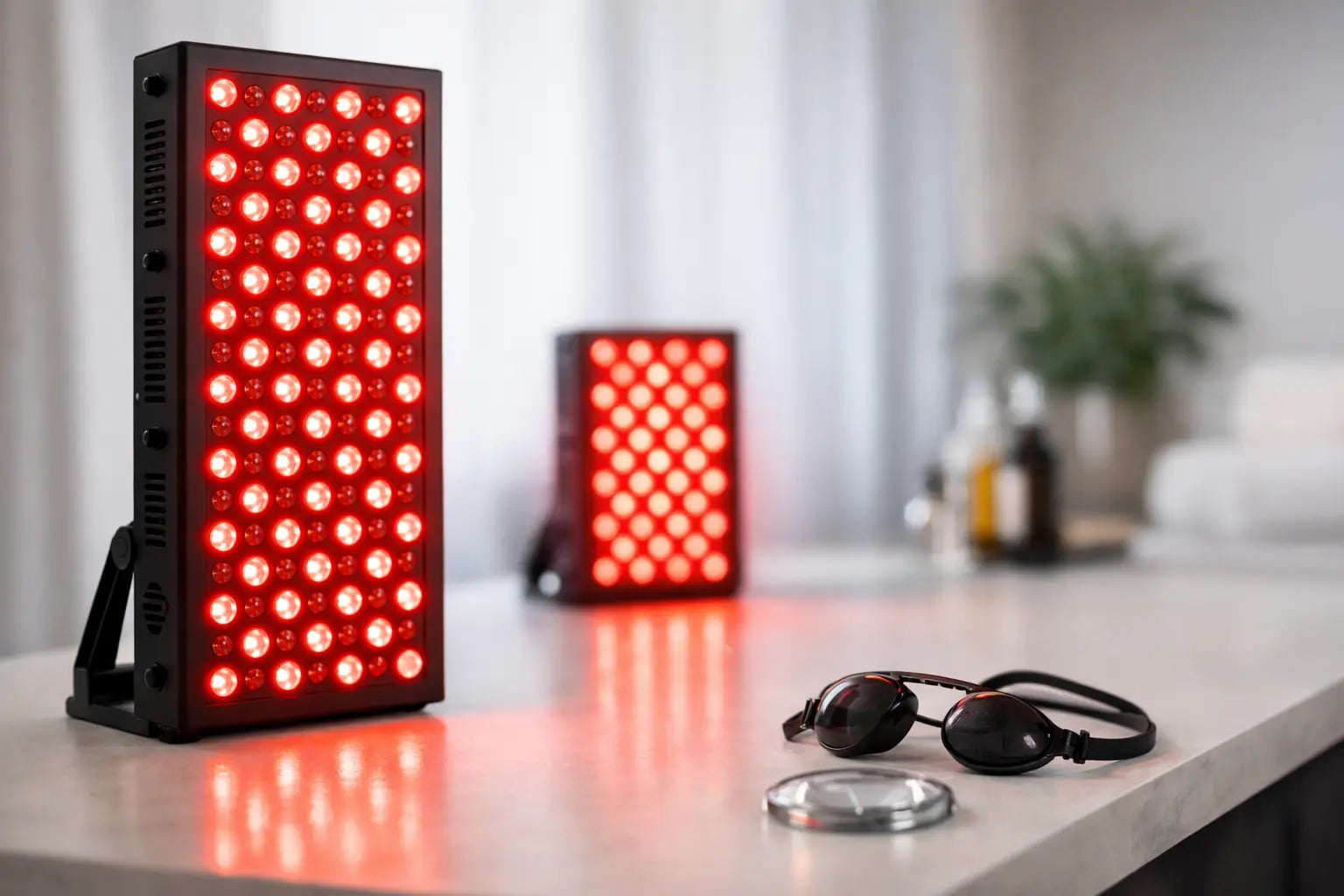
How to Choose the Best Red Light Therapy Panel
The best red light therapy panel rarely announces itself with flashy specs alone. It reveals itself in how naturally it fits your routine, your space, and the kind of recovery or restoration you actually want at home. A panel that looks impressive on paper can still feel too harsh, too small, too awkward, or simply too complicated to use consistently.
That matters because red light therapy works best when it becomes part of a steady ritual. A few calm minutes in the morning before the house wakes up. A post-workout recovery session in the evening. A quiet reset before bed. If you are investing in a premium panel, the goal is not just to own advanced technology. It is to create an environment where healing support feels accessible, elegant, and easy to return to.
What makes the best red light therapy panel?
The short answer is that it depends on what you want the panel to do. Some people are focused on skin tone and facial rejuvenation. Others want support for muscle recovery, joint comfort, circulation, or overall wellness. The best red light therapy panel for one home may be the wrong fit for another because body coverage, power, setup, and session style all shape the experience.
In practical terms, the strongest panel is not always the best choice. More intensity can shorten session times, but it can also make placement more demanding and increase the chance that users misjudge distance or duration. For many households, the sweet spot is a panel with meaningful output, clear operating guidance, and a form factor that encourages regular use.
Wavelengths are another piece of the puzzle. Most quality panels combine red light and near-infrared light because they serve different purposes. Red light is commonly chosen for more surface-level support, including skin-focused goals, while near-infrared reaches deeper and is often preferred for recovery, tension, and performance-oriented routines. A thoughtfully designed panel typically includes both, allowing you to build sessions around how you want to feel.
Start with your real use case, not the marketing
A better question than “What is the most advanced model?” is “Where in my life will I actually use this?” If your goal is facial skin support, a massive full-body panel may be unnecessary. If you want post-training recovery for legs, back, and shoulders, a compact desktop device may leave you underwhelmed.
This is where many shoppers get stuck. They compare isolated numbers without thinking about placement, time commitment, and body coverage. If a panel only treats a small area at once, full-body routines can become longer than expected. If a large panel requires dedicated wall space or a stand you do not really have room for, it may become decorative instead of useful.
The best red light therapy panel is usually the one that matches your preferred ritual. A smaller panel can be ideal for targeted morning sessions in a bathroom or dressing area. A mid-size panel often suits people who want flexibility for face, neck, shoulders, and localized recovery. Larger panels make sense when you want broader coverage and a more immersive treatment experience that feels closer to a wellness studio setting.
Panel size changes everything
Size is not just about visual impact. It determines how much of the body you can treat at once and how much effort each session requires. That affects consistency, and consistency is where the value lives.
A compact panel may be enough for someone focused on skincare and occasional spot treatment. It is easier to move, easier to store, and often easier to commit to daily. A half-body or larger panel starts to shift the experience. Instead of chasing one area at a time, you can settle into a more restorative session that supports multiple regions at once.
For many homeowners creating a dedicated recovery corner or wellness room, this is where premium design matters. A larger panel should feel intentional in the space, not clinical or intrusive. If it blends with the room and feels inviting, you are more likely to use it as part of a grounding routine rather than as another device that demands effort.
Why power and irradiance need context
Power claims can be useful, but they are easy to misuse. Many shoppers look for the highest irradiance possible, assuming that more is automatically better. In reality, intensity only matters when paired with proper treatment distance, timing, and coverage.
A very powerful panel can be excellent for shorter sessions, but it needs to be used correctly. If the brand does not provide clear guidance on distance and session length, the numbers become less meaningful. The better approach is to look for a panel engineered for reliable, repeatable use at home, with enough output to be effective but not so much complexity that every session feels technical.
Build quality deserves equal attention. Premium red light therapy panels should feel solid, stable, and thoughtfully finished. Cooling systems should not be distractingly loud. Controls should be intuitive. Stands, mounting options, and door hooks should support the way people actually live. These details may seem secondary until you realize they determine whether the panel becomes part of your routine or remains a high-ticket experiment.
Safety and credibility matter more than trend appeal
Red light therapy has moved far beyond niche wellness circles, and that is good news for awareness. It also means there are more products that look convincing than products that are truly well considered. This is one category where curation matters.
Look for transparent information about wavelength ranges, build standards, and intended use. Eye protection guidance should be clear. Session recommendations should feel responsible rather than exaggerated. Claims should stay grounded in support, recovery, and wellness rather than veering into miracle language.
This is especially important in a home setting, where the device needs to serve real people with different comfort levels and goals. A clinically informed approach creates peace of mind. It helps you trust not only the panel itself but also the experience around it.
The home experience is part of the product
When people picture the best red light therapy panel, they often focus on technical output. Yet for a premium wellness buyer, the home experience carries equal weight. How does the light feel in the room? Is the session calming or disruptive? Can you use it before work without stress, or after dinner without turning the evening into a project?
The strongest products understand that wellness equipment lives in a home, not a lab. The right panel should support a rhythm. You step into the light, breathe, soften your shoulders, and let the ritual mark a transition - from workout to recovery, from workday to evening, from depletion to restoration.
That is why support from the retailer matters too. In a high-consideration purchase, guidance can be the difference between buying too little, overspending on unnecessary scale, or choosing a panel that aligns beautifully with your goals. Expert curation is not about limiting options. It is about removing noise.
How to narrow your options with confidence
If you are deciding between several premium models, begin with three filters: coverage, convenience, and credibility. Coverage asks how much of your body you want to treat in one session. Convenience asks whether the panel fits your space and schedule. Credibility asks whether the product is presented with the kind of clarity and restraint that inspires trust.
From there, consider the trade-offs honestly. A smaller panel may ask for more session time but offer more flexibility. A larger panel may feel luxurious and efficient but require a stronger commitment in terms of space and budget. A model with advanced controls may appeal to experienced users, while a simpler interface may serve a busy household better.
For many buyers, the best red light therapy panel is not the most complicated one. It is the one that makes it easy to stay consistent through changing seasons, shifting schedules, and evolving wellness goals. That might mean a versatile mid-size panel with a stand. It might mean a larger statement piece in a dedicated recovery room. It might even mean choosing less panel than you first imagined because your real priority is a short, reliable daily ritual.
At WellNest Home, that is the lens worth keeping. Not what sounds most impressive in a comparison chart, but what helps you return to warmth, recovery, and clarity in a way you will actually sustain.
A red light therapy panel should feel like an invitation, not a task. Choose the one that meets you where you are now, while still leaving room for the wellness life you are building at home.

Leave a comment
This site is protected by hCaptcha and the hCaptcha Privacy Policy and Terms of Service apply.