

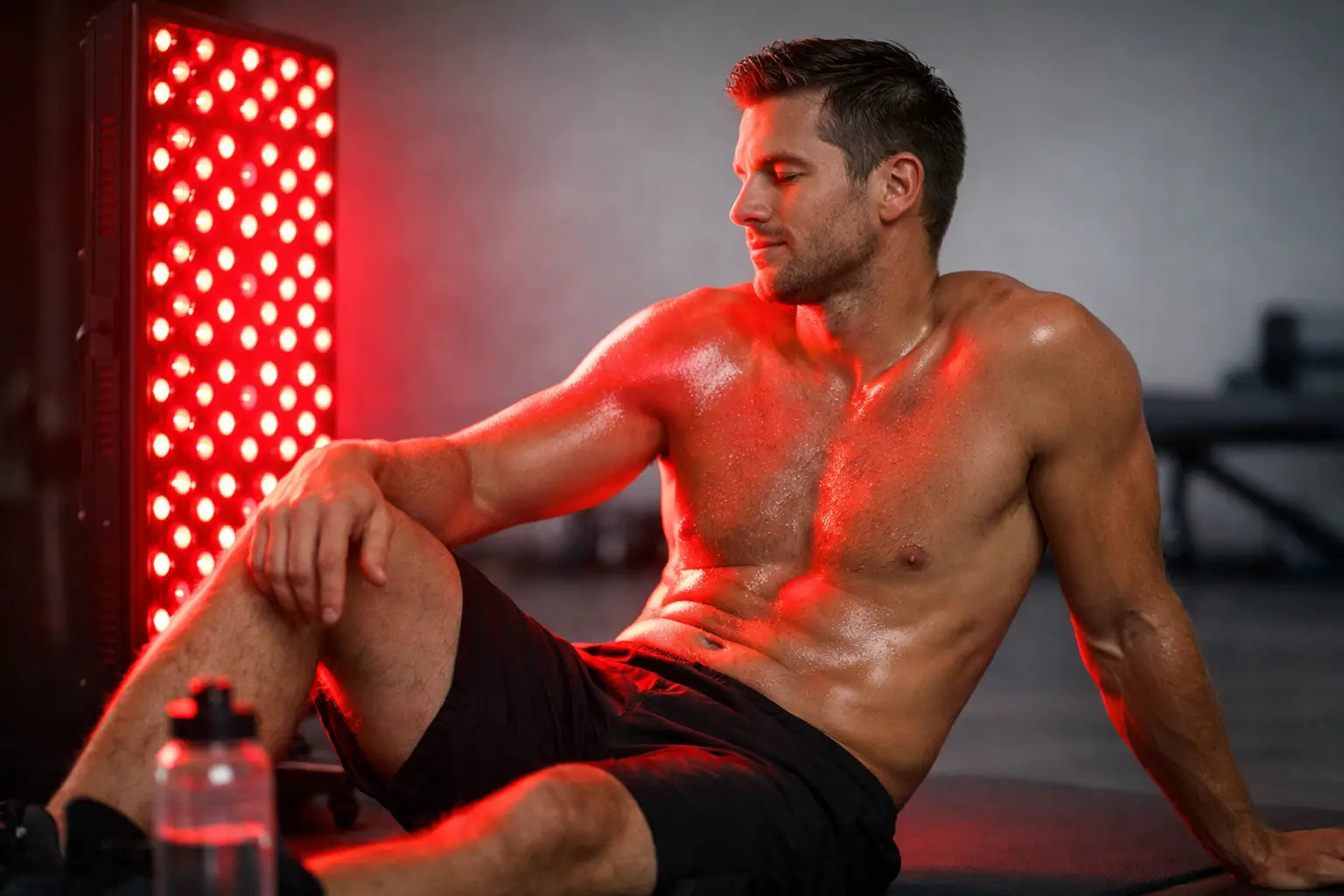
Red Light Therapy for Muscle Recovery
You feel it the day after a hard lift, a long run, or even an ambitious weekend in the yard - that familiar heaviness in the legs, the tightness across the shoulders, the sense that your body is asking for more care than time usually allows. That is where red light therapy for muscle recovery has earned real attention. Not as a miracle fix, but as a practical, restorative tool that may help the body recover with more comfort and consistency.
For many people, recovery used to mean waiting it out or booking occasional bodywork when the schedule allowed. Now the conversation has shifted. The most effective routines are often the ones that happen at home, in small repeated moments, with tools that support the body before soreness turns into strain. Red light therapy fits naturally into that rhythm because it is noninvasive, simple to use, and increasingly backed by research on circulation, inflammation, and cellular energy.
How red light therapy for muscle recovery works
Red light therapy uses specific wavelengths of red and near-infrared light that penetrate the skin and interact with cells, especially within the mitochondria. Mitochondria are often described as the energy centers of the cell, and that framing matters here because muscle recovery is an energy-demanding process. After training, your body is repairing microtears, clearing metabolic byproducts, and restoring normal function. Those processes do not happen by willpower alone. They require fuel.
The proposed mechanism behind red light therapy is photobiomodulation, a process in which light energy may help support cellular energy production. In plain terms, the body may become more efficient at the repair work it is already trying to do. Some studies also suggest improvements in local circulation and modulation of inflammatory responses, both of which can influence how sore or stiff muscles feel after exertion.
That does not mean one session erases delayed onset muscle soreness or replaces sleep, hydration, and good programming. It means the therapy may create a more supportive environment for recovery. For people who train regularly, or who simply carry a lot of physical tension through work and life, that distinction is meaningful.
What benefits people actually notice
The first benefit many users describe is not dramatic performance enhancement. It is relief. Muscles may feel less dense, less reactive, and easier to move. That can matter just as much as any lab metric, especially if soreness tends to interrupt your consistency.
A second common benefit is a sense of readiness. Recovery is not only about reducing discomfort. It is also about returning to movement with better quality. If your legs feel fresher for your next workout, or your upper back loosens enough to improve form, that can compound over time.
There is also the convenience factor, which is often underrated in wellness conversations. A recovery tool only helps if it fits your life. Red light therapy can be used in a home gym, bedroom, or dedicated wellness space without much setup. For busy professionals and homeowners who want recovery woven into the day rather than added as another errand, that ease is part of the appeal.
Still, results vary. Some people notice a difference within a week or two, especially in post-workout soreness. Others feel the benefits more gradually, as part of an overall ritual that includes stretching, hydration, heat, breathwork, and sleep. If expectations are grounded, the experience is usually better.
What the research says and where caution belongs
The research on red light therapy is promising, particularly around muscle performance, fatigue, and recovery markers, but it is not perfectly uniform. Study design matters. Wavelength, treatment duration, timing, and device quality all influence outcomes. That is why broad claims can get sloppy very quickly.
There is evidence suggesting that red and near-infrared light may help reduce exercise-induced muscle damage, improve recovery between training sessions, and lessen perceived soreness in some populations. Athletes have been early adopters for that reason. But not every study shows the same magnitude of benefit, and not every person responds the same way.
This is where an expert-guided approach matters more than trend-driven shopping. Device quality, irradiance, treatment area, and consistency are not small details. They shape whether the therapy feels effective or forgettable. Premium home wellness should feel calming, yes, but it should also be built on performance and safety.
How to use red light therapy in a home recovery routine
The most useful mindset is to treat red light therapy as part of a ritual, not a rescue. Waiting until your body feels completely overworked can still be helpful, but regular use tends to be a better fit for muscle recovery than occasional, last-minute use.
Many people use it after training, when muscles are warm and the body is already moving into repair mode. Others prefer morning sessions to ease overnight stiffness and begin the day with more mobility. Both approaches can work. What matters most is choosing a schedule you can maintain.
Session length depends on the device, its power output, and how large an area you are treating. Following the manufacturer guidance is essential. More is not always better. Overdoing exposure does not necessarily improve results, and thoughtful consistency usually outperforms intensity.
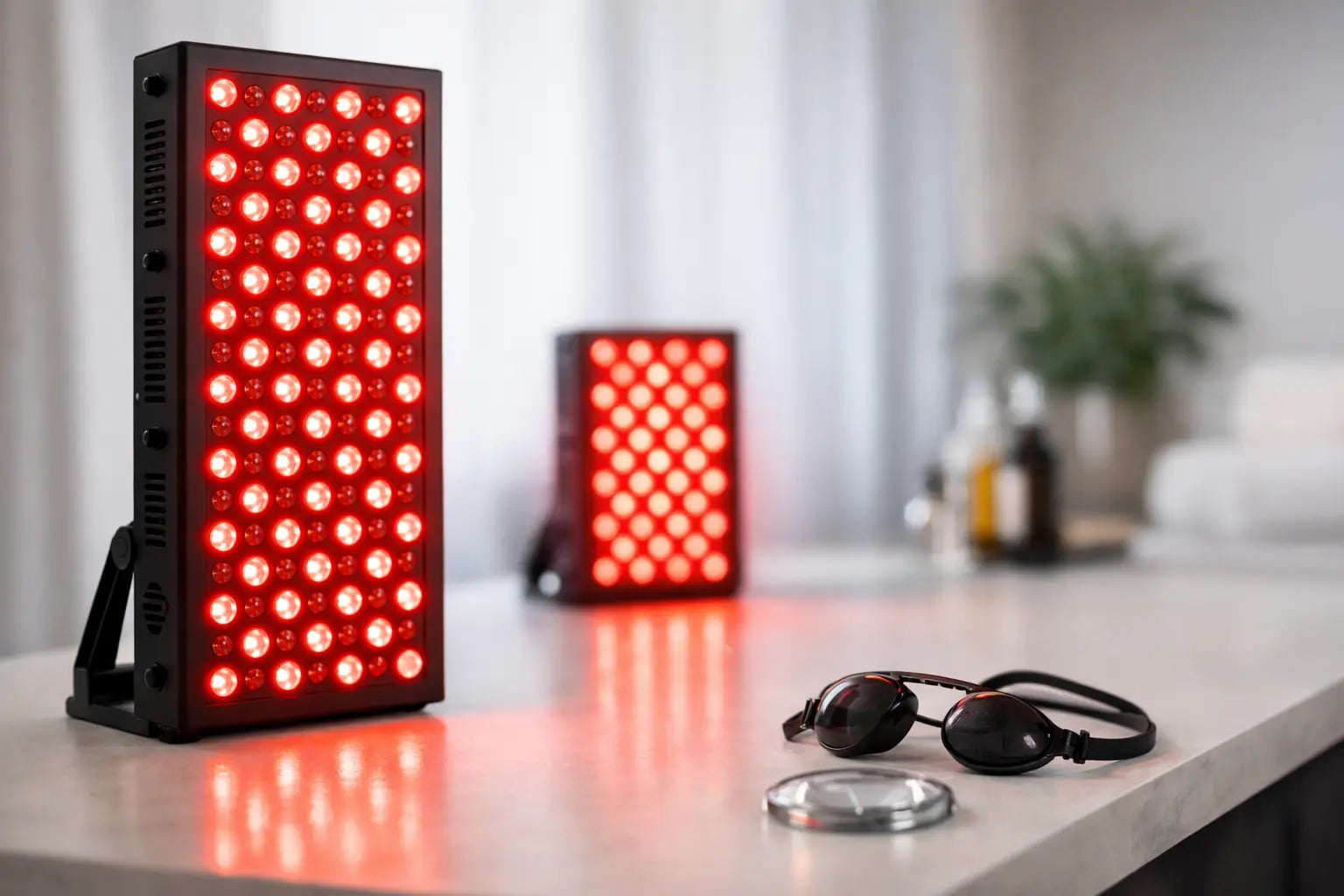
Placement matters too. If your goal is quadriceps recovery after cycling, the light needs to reach the quads. If your issue is upper back tension from desk work and strength training, target that region directly. Full-body panels offer broader coverage, while smaller devices can be useful for more focused areas. The right setup depends on how you move, where you carry strain, and how you want recovery to feel inside your home.
For many households, the best routine is the one that feels inviting enough to repeat. A quiet corner, a clean visual footprint, a few uninterrupted minutes - this is where wellness design meets compliance. When recovery feels like a return to warmth rather than another obligation, people tend to stay with it.
Red light therapy for muscle recovery compared with other tools
Red light therapy is often discussed alongside foam rolling, massage guns, cold plunges, infrared saunas, and compression. Each has a place. The better question is not which one wins, but what your body tends to need most.
If you respond well to pressure and fascial work, percussion or massage may bring faster short-term relief. If your goal is nervous system downshift and whole-body decompression, heat therapies may feel more enveloping. If inflammation and high training volume are central concerns, cold exposure may be part of the picture. Red light therapy sits in an interesting middle ground. It is passive, gentle, and easy to repeat, yet still targeted enough to support tissue recovery.
It also pairs well with other modalities. Some people use red light before mobility work to help the body feel more receptive. Others use it after sauna or after light stretching as a quiet final layer to the routine. There is no single perfect sequence. It depends on your schedule, your space, and whether you are recovering from athletic training, chronic tightness, or the accumulation of daily stress.
Who may benefit most
Red light therapy can be appealing for athletes and fitness enthusiasts, but it is not reserved for them. It may also suit people who experience muscle fatigue from long workdays, repetitive physical tasks, or prolonged sitting. Recovery is not only for peak performance. It is also for preserving ease in the body.
Adults building home wellness routines often appreciate tools that do not ask much in return. No major cleanup, no complicated learning curve, no clinic appointment. That makes red light therapy especially attractive for those who want support that feels sustainable.
There are practical cautions. Anyone with a medical condition, photosensitivity concerns, or questions about whether light therapy is appropriate should speak with a qualified healthcare professional. Eye protection guidance should also be followed based on the device and manufacturer instructions. A premium routine should feel safe as well as restorative.
Choosing a device that supports real recovery
If you are considering bringing red light therapy into your home, resist the urge to shop by hype alone. Recovery outcomes are shaped by more than sleek marketing. Build quality, wavelengths used, treatment coverage, ease of placement, and confidence in the brand all matter.
This category can feel crowded, which is why curation is valuable. A carefully selected device should support your goals, fit your environment, and feel intuitive enough to become part of everyday life. WellNest Home approaches recovery this way - not as a collection of gadgets, but as a more intentional system for restoring energy, easing tension, and creating a home that supports how you want to feel.
The deeper promise of red light therapy is not that it makes hard training effortless. It is that it can help recovery become more accessible, more consistent, and more woven into the life you already lead. When your environment supports repair, your body tends to meet you there.
Leave a comment
This site is protected by hCaptcha and the hCaptcha Privacy Policy and Terms of Service apply.