

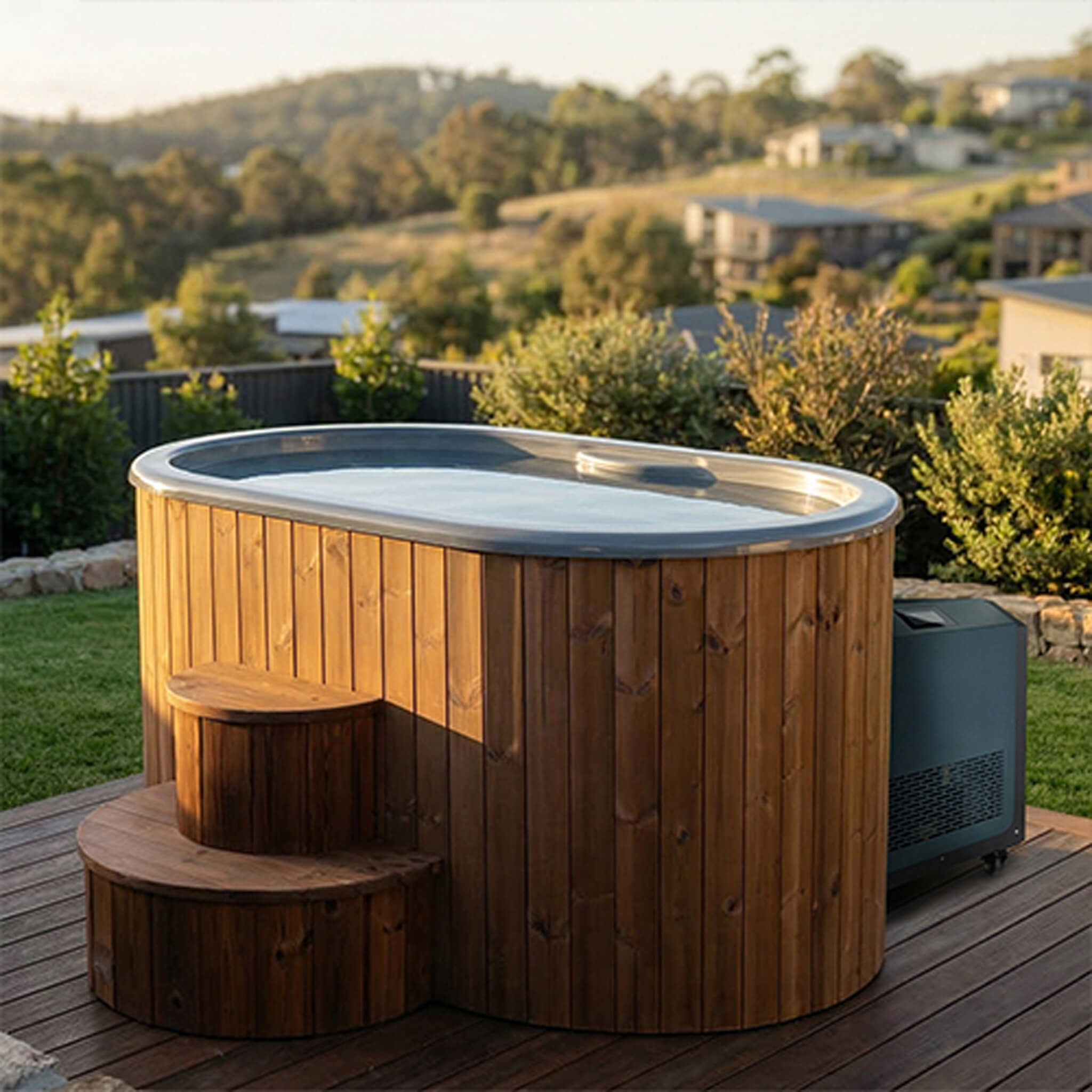
Cold Plunge Chiller Buying Guide
The wrong cold plunge chiller does not just miss the mark on performance. It can turn a grounding daily ritual into a noisy, complicated, high-maintenance project that never quite feels worth it.
A thoughtful cold plunge chiller buying guide starts with that reality: this is not only a temperature-control purchase. It is a decision about how you want recovery to feel in your home, how much upkeep you can realistically manage, and how consistently you will use it.
For many buyers, the first mistake is shopping by lowest temperature alone. Yes, water that gets cold enough matters. But a chiller that struggles to hold temperature, runs loudly near a bedroom wall, or demands constant troubleshooting can quietly erode the experience. If your goal is steady recovery, clearer mornings, and a more intentional wellness space, the right unit is the one that fits your environment and your routine as much as your tub.
How to use this cold plunge chiller buying guide
Start by thinking less like a gadget shopper and more like someone designing a ritual. A cold plunge chiller lives at the intersection of performance, comfort, and lifestyle. The best choice depends on where the plunge will sit, how often it will be used, how cold you prefer your water, and whether more than one person will use it regularly.
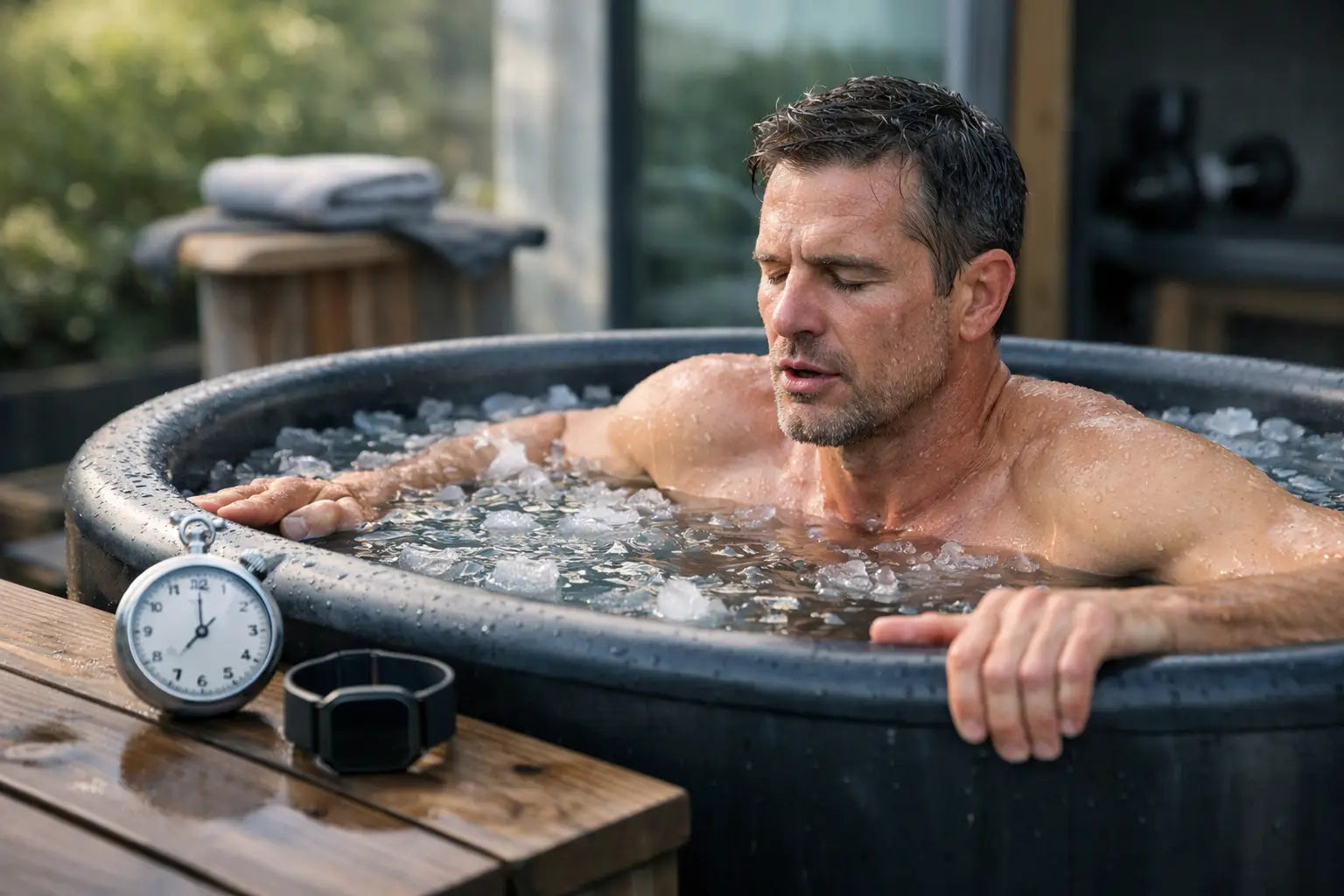
If the plunge is part of a daily recovery practice after strength training or endurance work, reliability and fast pull-down time matter more than they would for occasional weekend use. If it is going into a refined indoor wellness room, sound level, footprint, and visual discretion become far more important. If you live in a hot climate or plan to place the tub outdoors in direct summer heat, cooling capacity needs to be stronger than what a casual user in a shaded garage might need.
That is why the best buying decision is rarely about finding the most features for the lowest price. It is about matching the machine to your use case with enough headroom that it performs calmly under real conditions.
Cooling power matters more than the lowest advertised number
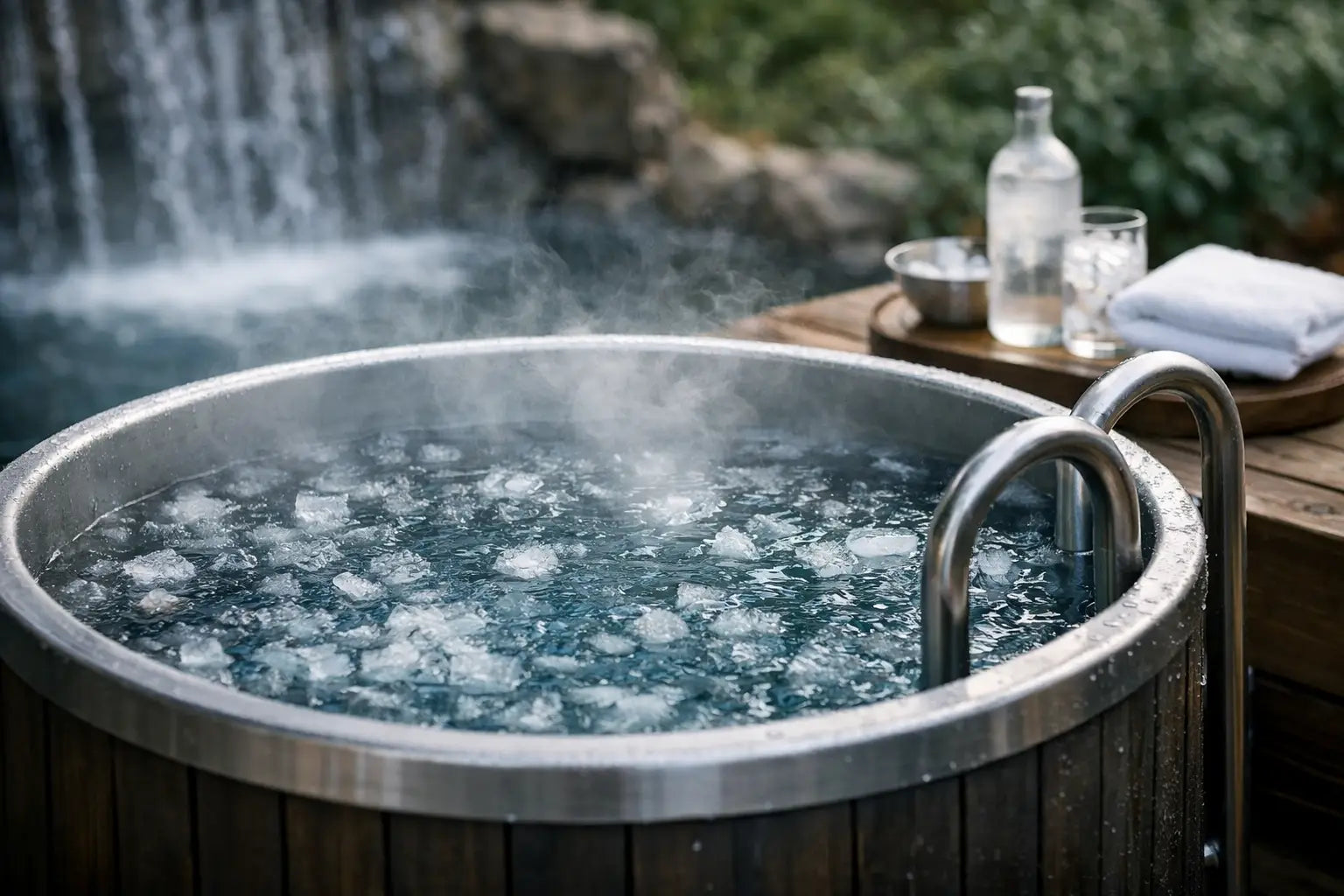
Many shoppers fixate on a brand's coldest possible setting, often something dramatic that sounds impressive on a product page. In practice, the better question is how efficiently the chiller reaches and maintains your preferred range. Most home users settle into a temperature band rather than chasing extremes. For many, that means cool enough to feel invigorating and therapeutic without becoming an endurance contest.
Cooling power should be evaluated against tub volume, ambient heat, and usage frequency. A larger tub naturally requires more work to cool and maintain. An outdoor setup in Arizona asks much more of a unit than an indoor setup in a climate-controlled basement. If several household members are using the plunge across the day, the chiller will need to recover repeatedly, not just cool a static body of water once.
Oversizing is not always wasteful. In many cases, a bit more capacity means quieter operation, faster recovery, and less strain over time. Undersizing is where buyers usually feel regret. The system may technically work, but only with longer wait times, more energy use, and inconsistent temperatures during warm weather.
Filtration and sanitation shape the ownership experience
A cold plunge should feel clean, crisp, and inviting. That experience depends as much on water care as it does on temperature. If you are choosing between a visually appealing chiller with minimal filtration and a slightly less sleek unit with stronger water management, do not dismiss the second option too quickly.
Good filtration removes debris, skin particles, and other contaminants that accumulate with regular use. Sanitation systems help control what you cannot see. Together, they reduce water-clouding issues, lower maintenance friction, and support a cleaner soaking environment. This becomes especially important in households with multiple users or for anyone who wants the plunge available at a moment's notice rather than needing frequent water changes.
There is a trade-off here. More comprehensive water care systems can add cost and complexity. But too little filtration often shifts the burden back onto you through more frequent cleaning, draining, and refill cycles. For a premium home wellness setup, ease of maintenance is not a luxury add-on. It is part of what keeps the practice sustainable.
Indoor or outdoor placement changes what you should buy
Placement influences nearly every spec that matters. Indoor installations often prioritize quiet operation, compact dimensions, and a polished appearance that feels at home beside a sauna, shower, or recovery area. You may also need to think about humidity, drainage, and ventilation, especially in smaller enclosed spaces.
Outdoor placements bring a different set of demands. Weather resistance, seasonal performance, UV exposure, and debris management all matter more. If your unit will live on a patio or near a pool area, the housing and components should be built for that reality. A beautifully designed indoor unit may not age well outdoors, even if it can technically operate there.
This is also where aesthetics become practical, not superficial. A cold plunge setup that complements your home is more likely to remain part of your routine. If it looks temporary, feels cluttered, or introduces visual noise into a carefully designed space, it may become something you avoid rather than return to.
Noise is not a small detail
A chiller is a mechanical system, and every mechanical system creates some sound. The question is whether that sound blends into your environment or constantly reminds you the machine is working. If the plunge will sit near a bedroom, office, or meditation space, noise deserves serious attention.
Manufacturers do not always present sound information in a way that makes comparison easy. Even when decibel ratings are available, real-world perception depends on placement, enclosure, and whether the unit cycles frequently. A stronger chiller that reaches temperature efficiently may actually feel less intrusive than a weaker one that seems to run forever.
For buyers building a restorative home sanctuary, this matters deeply. Recovery is not only physiological. It is sensory. The ideal setup supports clarity and calm rather than replacing one source of stress with another.
The best controls are simple, not flashy
Smart controls can be useful, especially if you want to adjust schedules, monitor water temperature remotely, or align your plunge with sauna sessions and training times. But a polished interface should support consistency, not distract from it.
Look for controls that make the essentials easy: setting temperature, tracking status, managing filtration cycles, and understanding maintenance needs. If a system feels overly complicated during the buying process, ownership rarely becomes simpler later. Premium does not mean overloaded with novelty. It means well considered, intuitive, and dependable.
This is one reason consultation and post-purchase support matter in this category. A chiller is not a candle or a yoga mat. It is part of a larger wellness environment, and guidance can make the difference between a smooth installation and a frustrating one.
Budget for the full setup, not just the machine
A cold plunge chiller buying guide should always include the costs around the chiller. Buyers often focus so intensely on the unit that they underestimate what installation and ownership actually require. Depending on the setup, you may need upgraded electrical access, a compatible tub, hoses and connections, a cover, sanitation supplies, and a clear plan for drainage and placement.
Operating cost also deserves a realistic look. Energy consumption varies based on ambient temperature, insulation, usage frequency, and how cold you keep the water. A less expensive unit that works harder all year may not deliver better value over time than a more capable system with steadier efficiency.
The same goes for warranty and service. In a high-consideration purchase, confidence comes from knowing help is available if something goes wrong. WellNest Home approaches this category with that mindset, treating recovery products as long-term investments in the home rather than impulse purchases.
What kind of buyer are you really?
If you want the simplest possible ownership experience, prioritize strong filtration, reliable cooling capacity, and easy controls, even if the upfront investment is higher. If your space is design-driven and indoors, make sound level and footprint central to the decision. If performance is everything and you use cold exposure as part of serious training recovery, focus on capacity and recovery speed before aesthetics.
And if you are still deciding between a more compact, budget-conscious setup and a premium integrated system, be honest about how you live. The right product is the one that supports regular use without creating friction. Most people benefit more from a beautifully consistent 45-50 degree experience they actually maintain than from an extreme low-temperature system that feels cumbersome to own.
A cold plunge can sharpen the senses, steady the nervous system, and give shape to a more intentional day. Choose the chiller that makes that return to clarity feel easy enough to repeat.
Leave a comment
This site is protected by hCaptcha and the hCaptcha Privacy Policy and Terms of Service apply.