

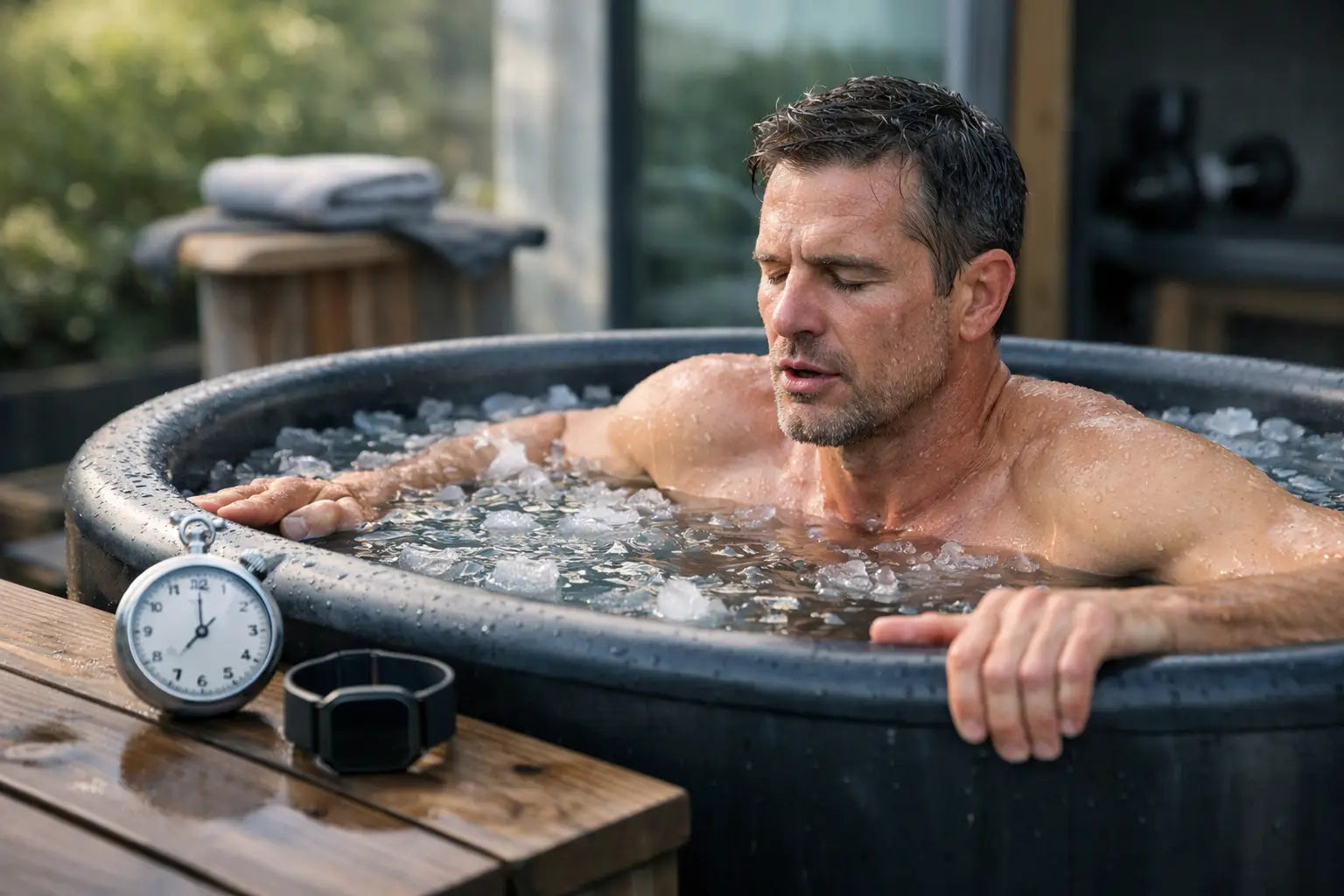
Cold Plunge Recovery Timing That Works
You finish a hard workout, your muscles are warm, and the cold water is waiting. This is where cold plunge recovery timing matters most. The same plunge can feel restorative in one context and less helpful in another, depending on whether your goal is lower soreness, better performance later that day, or long-term training adaptation.
For many people building a recovery ritual at home, the question is not whether cold exposure feels invigorating. It is when to use it so the experience supports the body rather than simply shocking it. Timing shapes the outcome, especially if you strength train, compete, stack multiple wellness modalities, or want your routine to feel calming instead of disruptive.
Why cold plunge recovery timing changes the effect
Cold water immersion can influence circulation, perceived soreness, inflammation, and nervous system state. That sounds straightforward until you consider that not every form of recovery should be optimized the same way. Sometimes you want to reduce muscle discomfort quickly. Other times you want the body to fully process the training stimulus, especially after resistance work designed to build strength or muscle.
That is why cold plunge recovery timing is less about a universal rule and more about matching the plunge to the moment. A cold session immediately after an intense conditioning workout may feel excellent and help you return to clarity. The same immediate plunge after hypertrophy-focused lifting may not be the best fit if muscle growth is the priority.
The trade-off is simple. Cold can help you feel better faster, but feeling better faster is not always identical to maximizing adaptation. For a wellness-minded homeowner creating a restorative space, that distinction is worth understanding.
Right after a workout - when it makes sense
If your main goal is to reduce post-exercise soreness, cool down after demanding conditioning, or recover between events, a cold plunge soon after training can be useful. This is especially true after endurance sessions, interval work, recreational sports, or physically draining days when your body feels overheated and taxed.
In those moments, the plunge often works best as a reset. You step in while the body is still carrying the heat of effort, breathe steadily, and let the system shift. Many people find that this kind of immediate cold exposure helps them feel less swollen, less heavy, and more mentally collected.
This timing is also practical. Once life resumes, the window for recovery habits tends to narrow. For busy professionals with a home setup, using the plunge right after exercise can make the practice consistent rather than aspirational.
When to wait after strength training
If you lift weights with a clear goal of building muscle or maximizing strength adaptation, waiting can be the better choice. Some research suggests that immediate post-lift cold exposure may blunt some of the signaling involved in hypertrophy. That does not mean cold plunges are off-limits for lifters. It means timing deserves more care.
A reasonable approach is to separate the plunge from resistance training by several hours when possible. Morning lift, evening plunge works well for many people. So does saving cold exposure for non-lifting days, or using it after lighter movement rather than after your heaviest session of the week.
This is where nuance matters. If soreness is so intense that it disrupts sleep, your next session, or your ability to move comfortably, the recovery benefit may outweigh the concern about adaptation. Wellness is not won by forcing a perfect protocol while ignoring what your body needs that day.
Cold plunge timing for endurance and athletic performance
Endurance athletes and people doing repeated high-output training often benefit more clearly from earlier cold exposure. Running, cycling, circuit training, and competitive sport place a premium on reducing perceived fatigue and returning to function. In these cases, using cold relatively soon after exercise can support the next performance window.
If you train twice in one day or compete across multiple events, prompt recovery matters. A plunge can become part of a structured transition - movement ends, breathing slows, the body cools, and you return to warmth feeling steadier. That sequence can feel deeply restorative, especially in a home environment where recovery is not rushed.
Still, even here, more is not automatically better. Excessive duration or very frequent cold exposure can leave some people drained rather than restored. The ideal rhythm is one that leaves you clear and energized, not flattened.
Morning, afternoon, or evening?
Time of day shapes the experience as much as proximity to exercise. A morning plunge tends to feel sharpening. It can awaken alertness, support focus, and create a sense of discipline that carries into the rest of the day. If you enjoy cold exposure for energy and mental resilience, morning often feels natural.
Afternoon sessions can be useful after training or during the familiar slump when tension and mental fatigue begin to accumulate. This timing often suits people working from home who want a physical reset before transitioning into family time or evening recovery.
Evening is more personal. Some people find cold exposure calming once they return to warmth, while others feel too stimulated if they plunge late. If sleep is your priority, test the timing carefully. A plunge too close to bedtime may leave you alert when you would rather be winding down.
How long should you wait before plunging?
There is no single number that fits everyone, but a practical framework helps. If the goal is acute recovery from conditioning or heat, soon after exercise is often appropriate. If the goal is preserving muscle-building adaptations from a serious lifting session, waiting at least a few hours is a more thoughtful choice.
For many home users, this creates a simple rhythm. Use the plunge shortly after cardio, sport, or demanding active days. Delay it after heavy strength work. On rest days, use it when you want a ritual of renewal rather than a response to training stress.
That kind of flexibility is often more sustainable than chasing a rigid protocol.
Pairing cold with heat and other recovery rituals
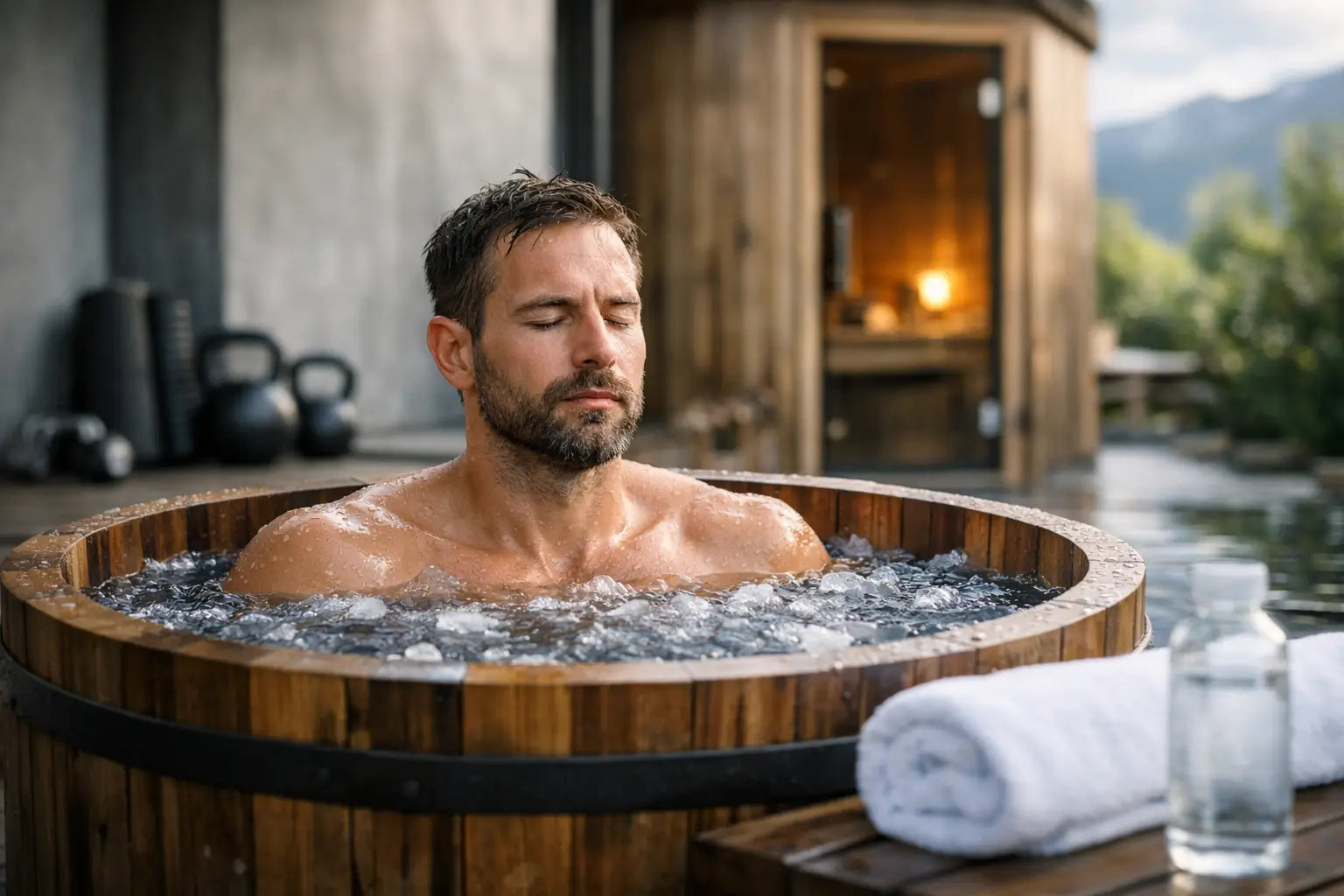
At home, cold plunging rarely exists in isolation. It often becomes part of a larger rhythm that may include sauna, breathwork, gentle stretching, hydration, and a few quiet minutes to settle the nervous system. In that setting, timing becomes even more meaningful.
Some people prefer heat first, then cold, then a return to warmth. Others use cold alone after exercise and reserve sauna for separate sessions focused on relaxation. Both approaches can work. The better choice depends on whether the ritual is built for performance recovery, stress relief, or a blend of both.
If your body already feels depleted, a simpler approach is often wiser. A short cold plunge followed by rest may serve you better than layering multiple intense modalities together. Luxury wellness is not about excess. It is about using the right tool at the right moment.
Signs your timing is working
Good cold plunge recovery timing usually feels clear in the body. You notice that soreness is more manageable, your mood steadies, and your next training session feels supported rather than compromised. You may also find that the ritual becomes easier to repeat because it fits naturally into your day.
Poor timing tends to show up differently. You feel unusually sluggish after cold exposure, your lifting progress stalls despite solid training, or late plunges leave you too activated at night. Those are not signs that cold is failing. They are signals to adjust the schedule.
The most effective home recovery routines are responsive. They evolve with your goals, your season of life, and the kind of effort your body is carrying.
A practical way to choose your timing
Start with the reason you are plunging. If you want immediate relief after hard conditioning, use it soon after the session. If you are focused on muscle gain, separate it from lifting. If you want mental clarity, morning may be ideal. If your priority is a calm reset after work, afternoon may feel more supportive.
Then pay attention for two weeks. Track how your body feels the next morning, how your workouts progress, and whether the ritual leaves you restored or overly taxed. That real-world feedback is often more valuable than copying someone else's protocol.
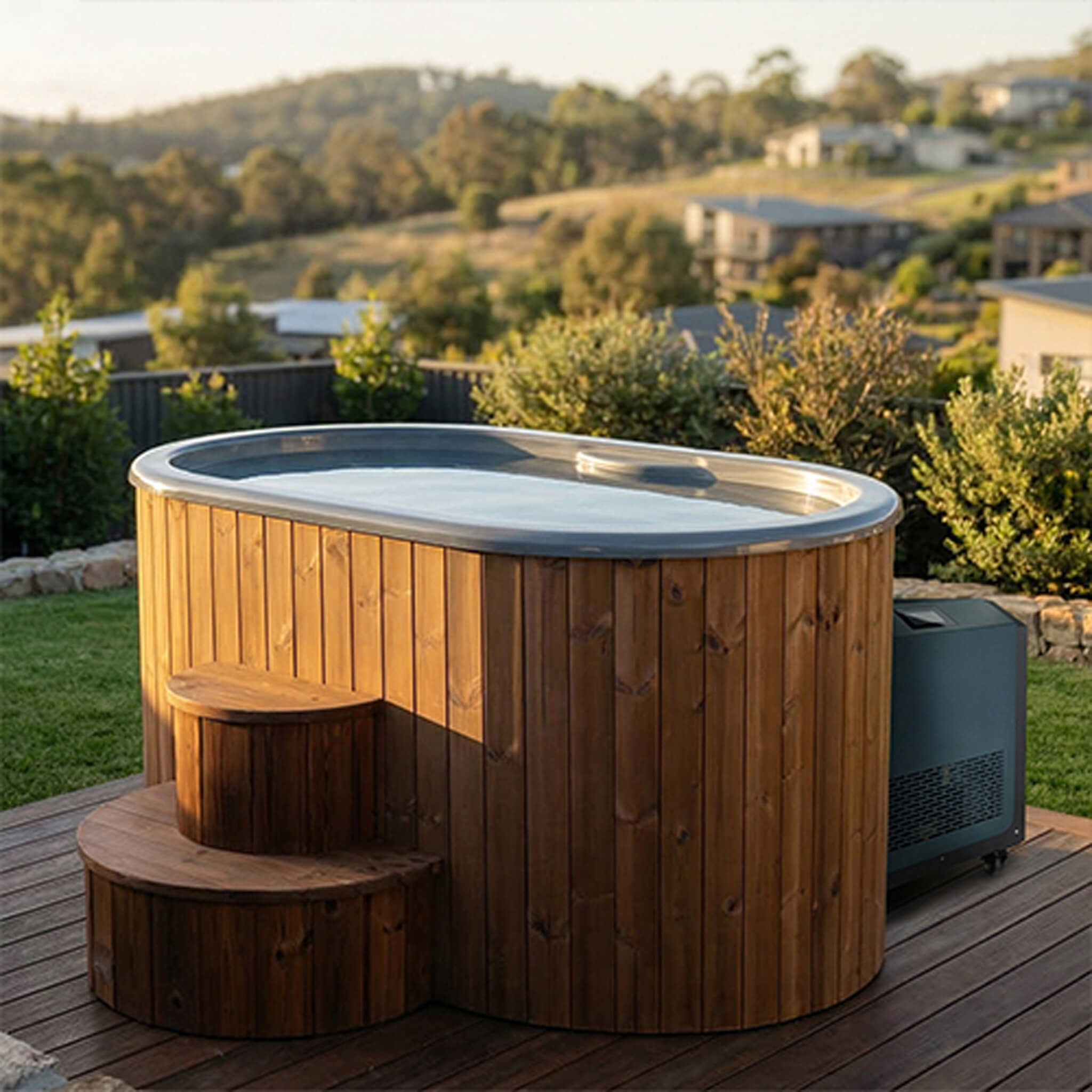
For many households, the beauty of an at-home recovery space is that it allows this kind of personalization. You are not fitting yourself into a spa schedule or clinic appointment. You can create a practice that meets you precisely where you are.
The best timing is the one that helps you return to your day with less strain, more clarity, and a deeper sense that your home is supporting the way you want to live.
Leave a comment
This site is protected by hCaptcha and the hCaptcha Privacy Policy and Terms of Service apply.