

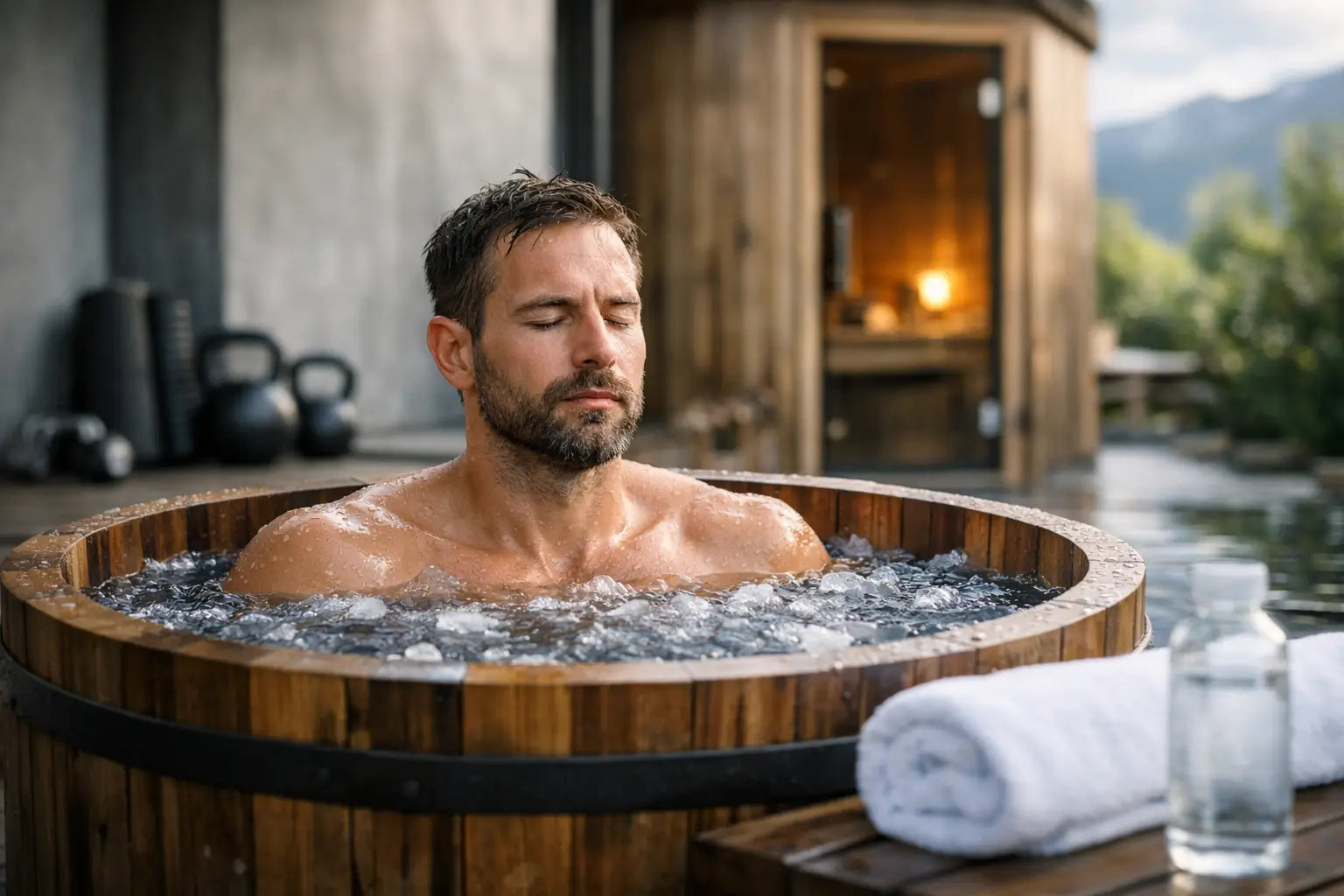
Cold Plunge Benefits for Recovery and Resilience
The moment before you step into cold water is often the loudest part. Then your breath finds a slower rhythm, the noise of the day narrows, and you emerge feeling distinctly awake. Cold plunge benefits are not a promise of a perfect body or a cure for stress. They are, for many people, a practical way to create a deliberate reset - one that can support recovery, focus, and a more intentional relationship with discomfort.
For a home wellness routine, the appeal is as much about consistency as intensity. A thoughtfully designed cold plunge makes it possible to move from exercise, work, or a demanding day into a brief restorative ritual without scheduling a spa appointment or driving across town.
What Cold Plunge Benefits Can Realistically Offer
Cold-water immersion triggers an immediate physiological response. Blood vessels near the skin constrict, breathing speeds up, and the nervous system receives a powerful sensory signal. After you leave the water and warm back up, circulation shifts again. This contrast helps explain why a plunge can feel both bracing in the moment and calming afterward.
The research is promising in several areas, although it is not equally strong for every claim made online. Your experience will also depend on water temperature, duration, training schedule, health history, and how well you tolerate cold. The most useful approach is to treat a plunge as one supportive tool within a larger recovery practice that includes sleep, nutrition, movement, and appropriate medical care.
A clearer mental transition
Many people use a cold plunge for the mental shift it creates. The cold requires attention: you cannot casually scroll, answer email, or replay a difficult conversation while regulating your breath in 50-degree water. That concentrated moment can interrupt the momentum of stress and leave you feeling more present.
Some early research and anecdotal experience suggest cold exposure may support mood and alertness through changes in stress hormones and neurotransmitters. Those findings should not be confused with treatment for anxiety or depression. Still, a brief, repeatable practice can become a meaningful boundary between a demanding workday and the quieter pace of home.
Less perceived soreness after hard exercise
Cold-water immersion is widely used by athletes after demanding training and competition. It may reduce delayed-onset muscle soreness and the feeling of fatigue in the days following strenuous exercise. For the recreational runner, strength trainee, or weekend skier, that can mean feeling more ready for the next session.
There is an important trade-off. If building muscle and strength is your primary goal, frequent cold immersion immediately after resistance training may blunt some of the inflammation-related signaling involved in adaptation. That does not mean you must avoid cold water entirely. Consider separating your plunge from lifting by several hours, using it on conditioning days, or reserving it for periods when recovery and soreness relief matter more than maximizing muscle gain.
A practice in stress tolerance
A cold plunge asks you to meet an intense sensation without escalating the experience through panic. The skill is not forcing yourself to endure misery. It is learning to soften your shoulders, slow the exhale, and stay connected to your body while it adjusts.
Over time, this can build confidence in your ability to regulate under pressure. The benefit is less about becoming tough for its own sake and more about rehearsing calm. For busy professionals and caregivers, that small daily rehearsal can carry into meetings, commutes, training sessions, and family life.
A refreshing complement to heat rituals
Cold is especially compelling when paired with sauna bathing. Moving from heat into cool water can feel invigorating, and the contrast gives a wellness ritual a clear beginning, middle, and end: warm the body, cool it deliberately, then return to warmth and rest.
Not everyone needs dramatic temperature swings to enjoy this ritual. A gentle cool rinse after a sauna may be plenty at first. If you have cardiovascular concerns, blood pressure issues, or feel lightheaded with heat, speak with a qualified clinician before attempting contrast therapy.
How to Build a Cold Plunge Routine at Home
The best home practice is one you will repeat safely. That usually means choosing a temperature and schedule that feel challenging but manageable, rather than chasing the coldest possible water or the longest possible exposure.
Start warmer and shorter than you think
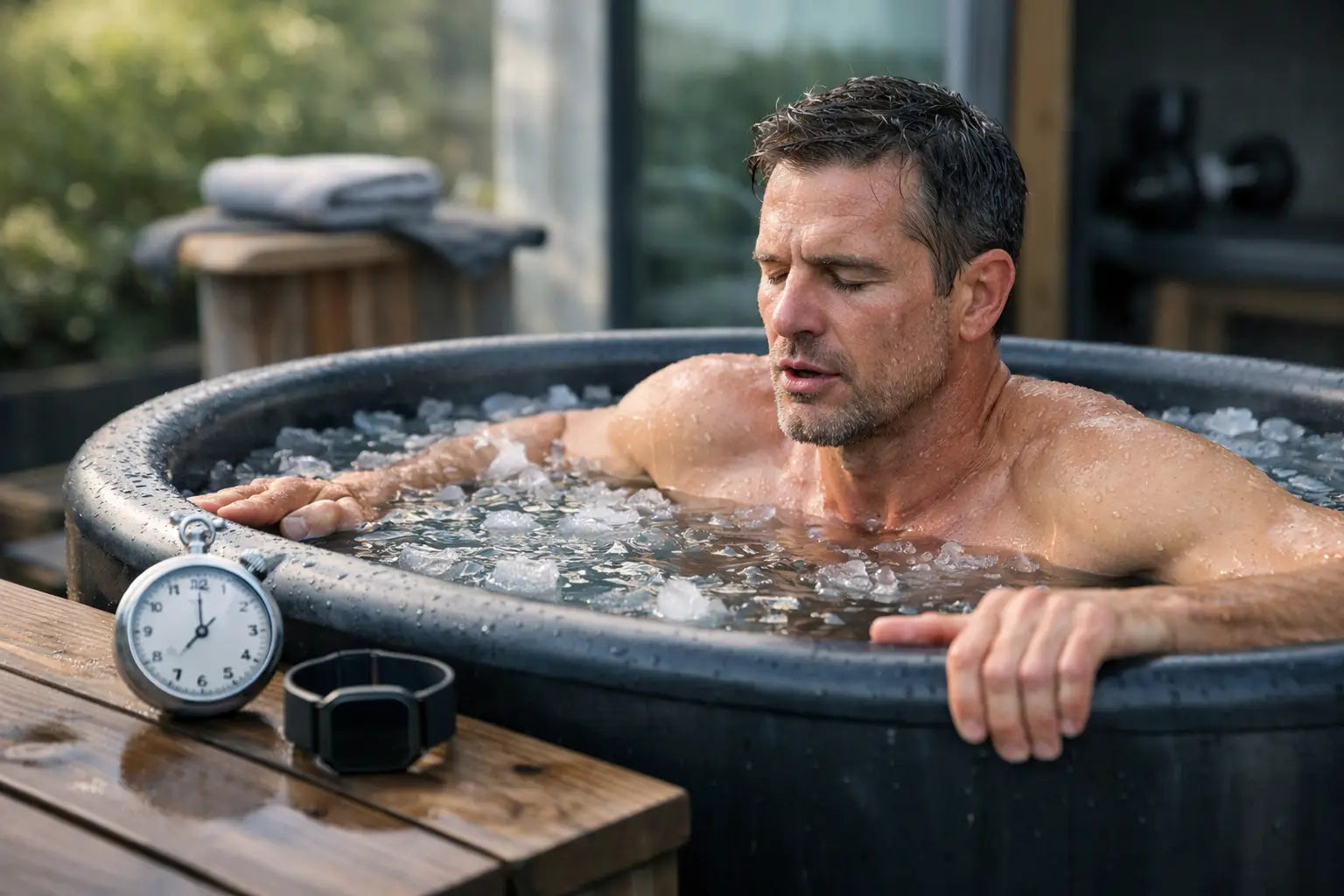
For many beginners, water in the upper 50s to low 60s Fahrenheit is a more approachable starting point than near-freezing water. Begin with 30 seconds to two minutes. Step out if you feel dizzy, numbness that concerns you, chest discomfort, confusion, or a level of distress that prevents controlled breathing.
As your tolerance develops, you may work toward two to five minutes in colder water. More is not automatically better. The goal is to finish feeling refreshed and capable, not depleted or shivering uncontrollably for an extended period.
Let your breath set the pace
Your first few seconds may bring an involuntary gasp. Before entering, take a steady breath. Once in the water, focus on a longer exhale than inhale. Try a quiet inhale through the nose and a slow, controlled exhale through pursed lips. Avoid hyperventilating or breath-holding challenges in or near water.
This simple practice turns a plunge from a test of willpower into a nervous-system ritual. It also gives you a reliable marker for readiness: if you cannot regain a calm breathing pattern, it is time to step out.
Make the environment easy to use
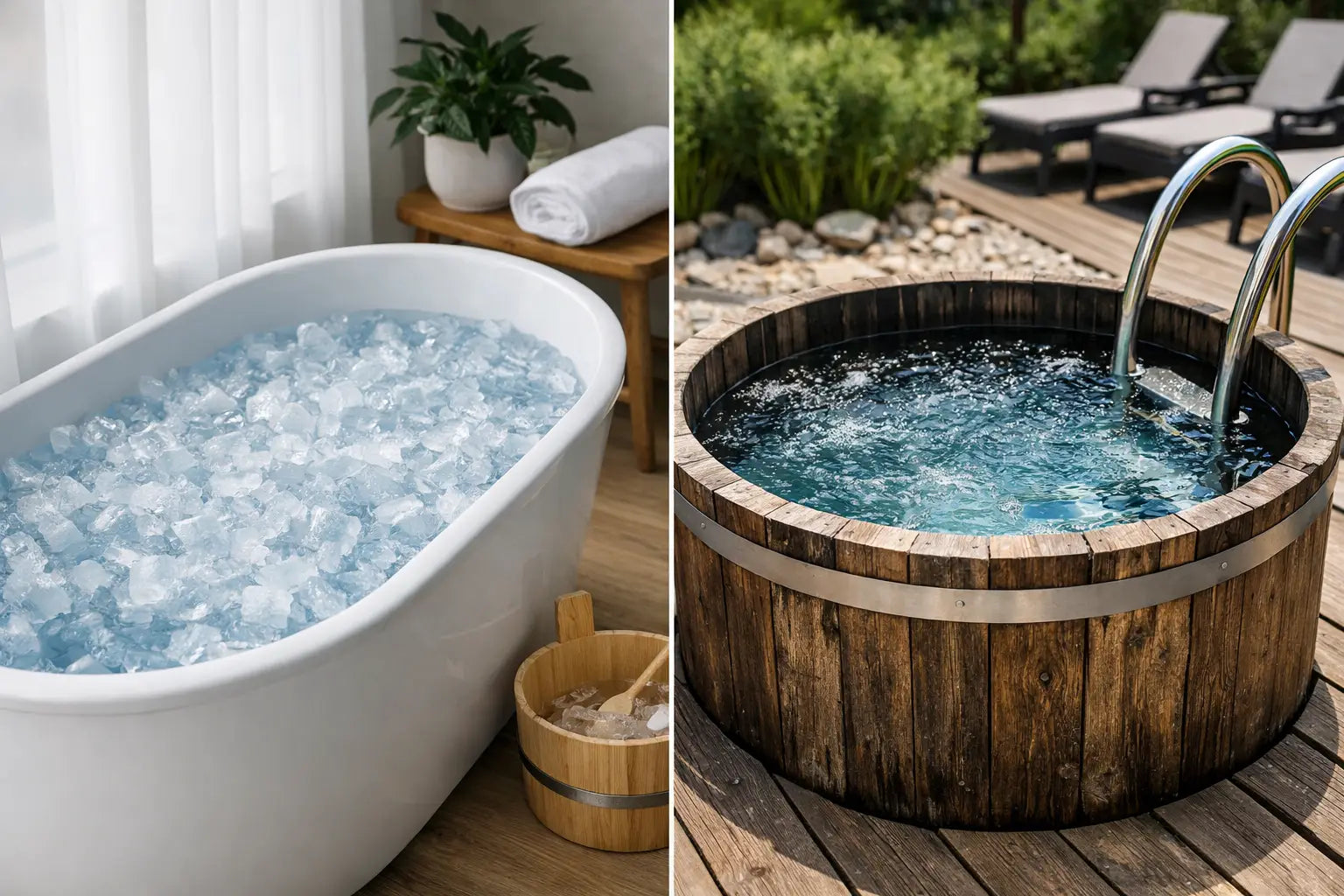
A cold plunge earns its place at home when it removes friction. Think about where you will change, where towels will live, how you will shower or warm up afterward, and how the tub will fit into the visual calm of the room or outdoor space. Clean water management, reliable temperature control, and a stable entry point matter as much as an attractive silhouette.
At WellNest Home, this is the lens behind a restorative wellness space: not a collection of equipment, but a setting that invites you to care for yourself consistently. A plunge positioned near a sauna, shower, or quiet recovery corner can turn five minutes of cold exposure into a complete ritual.
Who Should Be Cautious With Cold Water Immersion
Cold exposure places real demands on the cardiovascular and respiratory systems. It is not suitable for everyone, and the initial shock response can be significant. Consult a clinician before beginning if you have heart disease, uncontrolled high blood pressure, circulation problems, a history of fainting, respiratory conditions triggered by cold, diabetes with neuropathy, Raynaud's phenomenon, or are pregnant. The same guidance applies if you take medications that affect heart rate, blood pressure, or temperature regulation.
Never plunge alone if you are new to the practice or have any health concern. Avoid alcohol and recreational substances beforehand, and do not use cold water when you are ill, severely fatigued, or unable to warm up afterward. Children should only use cold immersion with medical guidance and close adult supervision.
The Benefit of a Ritual You Can Keep
The most enduring cold plunge benefits may be the ones that do not fit neatly on a biometric dashboard. A few quiet minutes can create a transition from exertion to recovery, from mental overload to a clearer state, or from a reactive day to an evening with more intention.
Let the practice be personal. Some mornings may call for a brief, bright awakening. Some training weeks may call for a carefully timed recovery session. And some days, choosing a warm shower, a walk, or an earlier bedtime may be the wiser form of care. A home wellness ritual succeeds when it helps you listen more closely to what your body needs.
Leave a comment
This site is protected by hCaptcha and the hCaptcha Privacy Policy and Terms of Service apply.