

Ice Bath Versus Cold Plunge: Which Fits Home?
A hard training session, a demanding workday, or a restless night can leave the body feeling overstimulated and heavy. The ice bath versus cold plunge decision is not simply about how much cold you can tolerate. It is about choosing a recovery ritual that feels safe, sustainable, and at home in the way you want to live.
Both options can create a powerful moment of reset: cool water, steady breathing, and a deliberate pause before you return to the rest of your day. Yet their ownership experience is quite different. One is generally lower-cost and improvised; the other is built for consistency, comfort, and repeat use.
Ice Bath Versus Cold Plunge: The Core Difference
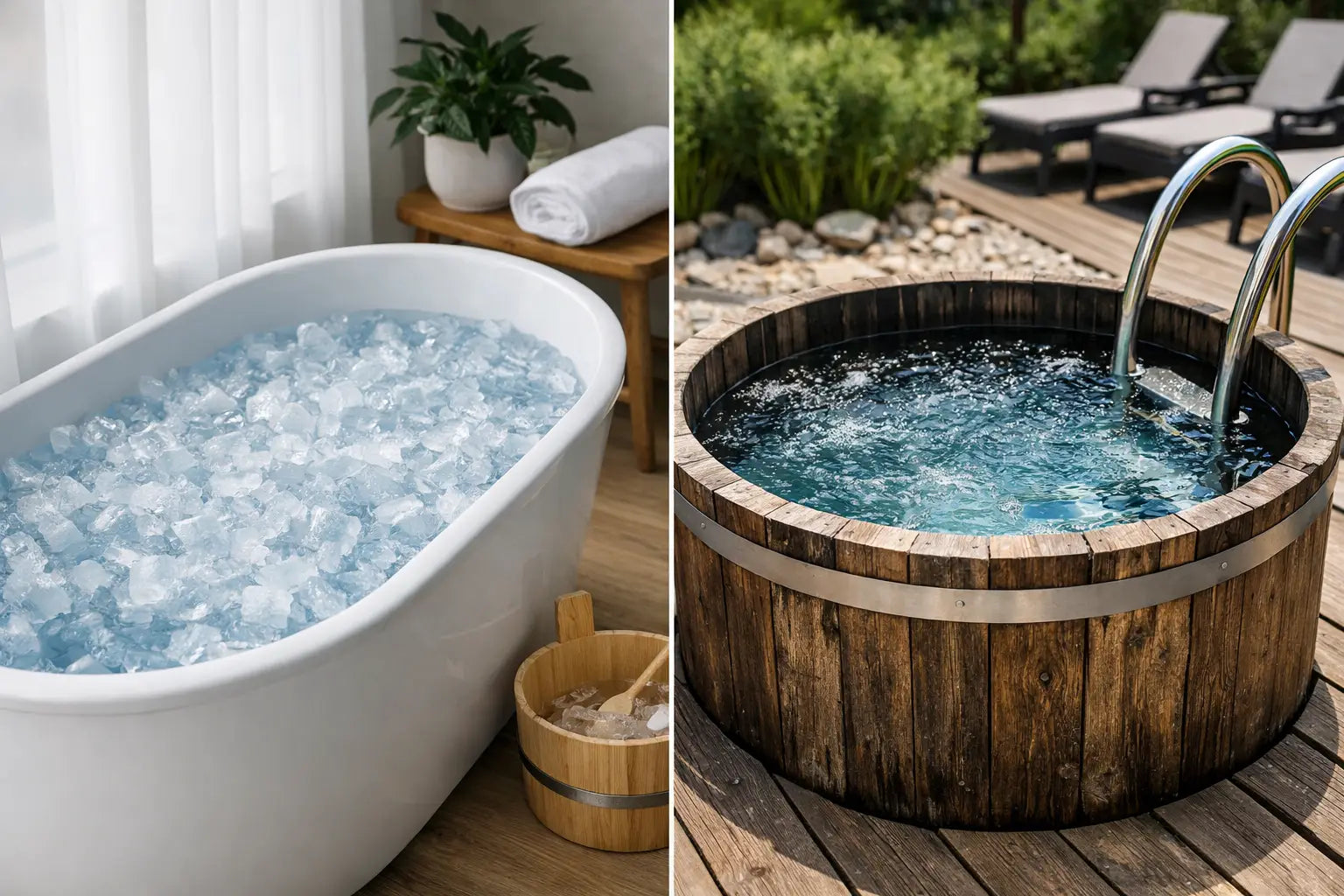
An ice bath usually means a tub or vessel filled with water and bags of ice. It may be a standard bathtub, a stock tank, or a portable inflatable tub. You create the temperature manually each time, adding ice until the water feels cold enough for your intended session.
A cold plunge is typically a dedicated tub designed for cold-water immersion. Many models pair with a chiller that circulates, filters, and cools the water to a selected temperature. Some people use the terms interchangeably, and a plunge can certainly be chilled with ice. In a home wellness setting, though, “cold plunge” often describes a purpose-built system with more precise control.
That distinction matters because cold exposure is only useful when it becomes a ritual you can maintain. If sourcing ice, filling a tub, and managing melting water feels like a weekly chore, an ice bath may remain an occasional experiment. A ready-to-use plunge can make recovery feel like part of the architecture of your day.
What You May Feel From Cold Water Immersion
Cold water creates an immediate sensory shift. Breathing becomes more deliberate, the skin tingles, and attention narrows to the present moment. Many people use cold immersion after exercise to feel less sore, to support a sense of recovery, or simply to clear the mental residue of a long day.
The evidence is nuanced. Cold-water immersion may help with perceived muscle soreness after strenuous exercise, particularly during demanding training blocks. It can also feel energizing and mentally grounding. But more is not always better. Frequent cold immersion immediately after strength training may not suit someone whose primary goal is maximizing muscle growth, since inflammation is part of the adaptation process.
Your response is personal, too. A three-minute session that leaves you calm and refreshed is more valuable than an extreme challenge that makes you dread the next one. Cold exposure should feel purposeful, not punishing.
Temperature Control Changes the Experience
With an ice bath, the temperature depends on your starting water temperature, the amount and quality of ice, the vessel, outdoor conditions, and the time it takes to get in. This can be perfectly acceptable for an occasional practice, but it is difficult to repeat the same session with confidence.
A chiller-based cold plunge lets you choose and maintain a target range. For many beginners, water in the upper 50s to low 60s Fahrenheit can provide a meaningful introduction without the intensity of near-freezing water. More experienced users may prefer colder settings, but colder is not automatically more effective.
Precision also supports better decision-making. If you notice that 55 degrees feels restorative while 45 degrees disrupts your sleep or leaves you overly stressed, a controlled system helps you adjust with intention. This is especially valuable in a shared household, where one person may prefer a gentler entry point than another.
The best temperature is the one you can repeat
A consistent temperature allows you to focus on breath, posture, and duration instead of guessing whether today’s bath is unusually cold. That repeatability is a quiet luxury. It turns a dramatic wellness practice into a measured form of self-care.
Setup, Space, and Daily Convenience
An ice bath has a clear advantage in simplicity. A portable tub can be affordable, easy to store, and useful for testing whether cold immersion belongs in your routine. If you are curious, live in a temporary space, or only expect to use it after occasional endurance events, this may be the most sensible place to begin.
The trade-off is preparation. A single session can require buying, carrying, and storing multiple bags of ice. You will also need to fill, drain, and clean the vessel regularly. During warmer months, ice melts quickly; during colder months, an outdoor setup can become less inviting just when you need an easy ritual most.
A dedicated cold plunge requires more planning upfront. Consider the footprint, access to power and water, drainage, floor load for indoor installations, and whether you want the unit sheltered from weather. Outdoor models can create a beautiful contrast beside a sauna, while indoor systems may belong in a home gym, spa bath, or recovery room.
For homeowners creating a lasting wellness space, convenience often becomes the deciding factor. A plunge that is clean, cooled, and waiting for you can turn a skipped recovery day into ten quiet minutes of care.
Water Quality and Maintenance Deserve Attention
Still water needs care, regardless of whether it is cooled with ice or a chiller. Sweat, body oils, skin products, and environmental debris can quickly change the water quality. This is one area where a purpose-built plunge often earns its higher price: circulation, filtration, sanitation options, and a fitted cover can reduce the daily friction of ownership.
That does not mean maintenance disappears. Filters need attention, water chemistry or sanitation systems must be managed according to the manufacturer’s instructions, and the tub should be cleaned on schedule. But the work tends to be more predictable than emptying and rebuilding an ice bath after every few uses.
For an ice bath, changing the water frequently and cleaning the vessel thoroughly are essential. Avoid sharing untreated water between multiple people, and do not enter with open cuts, active skin infections, or heavily soiled skin. Clean water is part of a restorative experience, not an optional detail.
Comfort Is Not a Compromise
The starkness of an ice bath appeals to some people. There is a certain satisfaction in a simple tub, a few bags of ice, and the decision to step in anyway. But comfort features can make the practice more approachable without diluting it.
Dedicated cold plunges may offer insulated walls, ergonomic seating, an easier step-in height, covers, app-based controls, and quiet operation. These details matter for people with limited mobility, taller bodies, or a preference for a polished home environment. They also matter when a recovery area is meant to feel like a sanctuary rather than a utility corner.
Think beyond the tub itself. A warm towel, a non-slip mat, nearby seating, soft lighting, and a path back to warmth can shape the entire experience. If you pair cold exposure with an infrared or traditional sauna, allow time to return to a comfortable body temperature rather than treating contrast therapy as a race.
Safety Comes Before Intensity
Cold water immersion places real stress on the cardiovascular and nervous systems. The initial cold-shock response can cause a sharp inhale, faster breathing, and a rise in heart rate and blood pressure. Enter slowly, keep your head above water, and focus on controlled breathing. Never use a cold plunge alone, especially when you are new to the practice.
People with heart disease, uncontrolled high blood pressure, circulation concerns, Raynaud’s phenomenon, neuropathy, a history of fainting, or other medical conditions should speak with a qualified clinician before beginning. The same applies during pregnancy and when taking medications that affect blood pressure, heart rate, or temperature regulation.
Avoid alcohol, do not push through numbness or dizziness, and leave the water immediately if you feel chest pain, confusion, severe shivering, or unwell. A brief, measured session is enough. There is no prize for enduring discomfort beyond your capacity.
Which Choice Is Right for Your Home?
Choose an ice bath if you want a lower-commitment introduction, have limited space, or only plan to use cold immersion occasionally. It offers a direct, elemental experience and can help you learn how your body responds before making a larger investment.
Choose a cold plunge if you value precise temperature control, cleaner water management, frequent use, and a more integrated home recovery ritual. It is particularly well suited to athletes training several days a week, busy professionals who need recovery without logistics, and homeowners designing a dedicated wellness environment.
At WellNest Home, the most thoughtful choice is never about chasing the coldest possible number. It is about creating a practice that supports your body, respects your home, and gives you a reliable place to reset. Start at a temperature that asks for your attention but still lets you breathe steadily, then let consistency do the meaningful work.
Leave a comment
This site is protected by hCaptcha and the hCaptcha Privacy Policy and Terms of Service apply.