

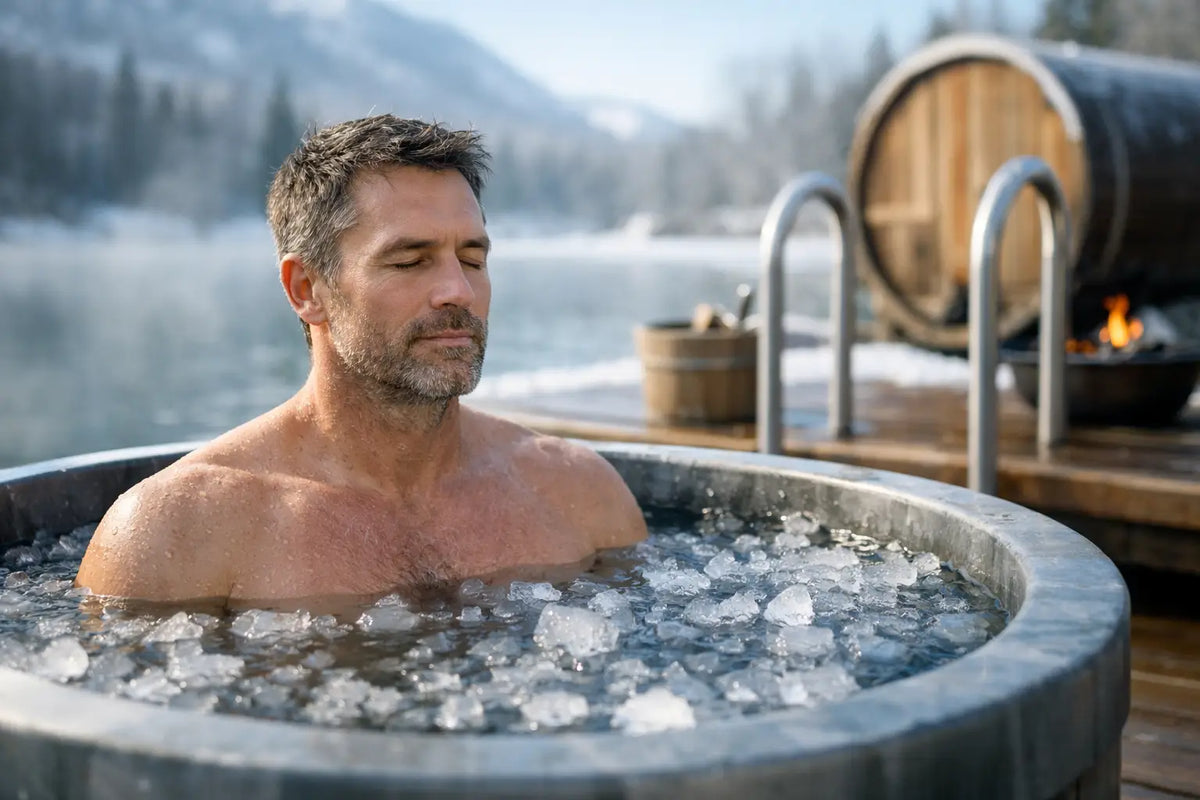
How to Build Cold Exposure Without Overdoing It
The first minute in cold water can feel loud: quickened breath, heightened attention, an instinct to step away. Learning how to build cold exposure is not about overpowering that response. It is about meeting it with a measured plan, allowing your nervous system and body to adapt over time, and creating a recovery ritual you can return to with confidence.
For many people, a cold plunge becomes a meaningful counterpoint to a demanding day or hard training session. The water asks for presence. When the experience is approached gradually, it can become less of a test of willpower and more of a clear, restorative pause in your home wellness routine.
Start With Your Reason, Not the Temperature
Cold exposure is often discussed as if colder and longer are automatically better. They are not. The right dose depends on your reason for using it, your health history, your training schedule, and how your body responds.
You may be seeking a sense of alert calm before work, a way to feel refreshed after travel, or a post-exercise ritual that helps you transition out of an intense session. Those intentions do not require the same approach. A brief, moderately cool exposure may be plenty for a beginner who wants mental clarity. Someone using cold water as part of an established recovery practice may tolerate a cooler, longer session.
A simple question helps set the tone: can I complete this session while breathing with control? If the answer is no, the water is likely too cold, the exposure is too long, or the progression is moving too quickly.
Establish a Safe Starting Point
Before you begin, consider whether cold exposure is appropriate for you. Sudden cold can raise heart rate and blood pressure, especially during the first moments of immersion. Speak with your physician before using cold plunges if you have cardiovascular disease, uncontrolled high blood pressure, a history of fainting, circulation concerns, neuropathy, Raynaud’s phenomenon, are pregnant, or take medications that affect blood pressure or heart rhythm.
Do not use a cold plunge alone if you are new to the practice or have any condition that could make it difficult to exit the water safely. Avoid cold immersion after alcohol or recreational drug use. If you feel chest pain, dizziness, confusion, numbness that concerns you, or uncontrollable shivering, get out, dry off, and warm up gradually.
Your first sessions should feel challenging but manageable. A water temperature around 55 to 60 degrees Fahrenheit is a thoughtful entry point for many healthy adults. Start with 30 seconds to one minute, keeping your shoulders above water if a full-body immersion feels too intense. There is no prize for beginning at 40 degrees. Consistency at a tolerable temperature will take you further than one dramatic session you never want to repeat.
How to Build Cold Exposure Week by Week
A steady progression gives your body time to learn that cold water is a controlled stimulus, not an emergency. Aim for two or three sessions each week at first, leaving room to notice how you sleep, train, and feel afterward.
Weeks one and two: Make calm breathing the goal
Begin with 30 to 60 seconds in moderately cold water. Enter slowly, pause when the water reaches your waist, and let your exhale lengthen before you lower farther in. Once settled, breathe in gently through the nose if comfortable and release a slow, unforced exhale.
The initial gasp reflex is normal, but you do not need to fight it. Wait for your breathing to regain a rhythm. If it does not settle within about 15 to 30 seconds, step out. The session still counts. You are building familiarity and control, not proving toughness.
Weeks three and four: Add time before reducing temperature
If the first phase feels manageable, extend your sessions toward one to two minutes. Keep the same water temperature for now. This is where many people make an avoidable mistake: lowering the temperature and increasing duration at the same time.
Choose one variable to progress. Time is usually the gentler choice. Your skin and breath may adapt before your deeper comfort level does, so pay attention to the rest of your day. Feeling energized and settled is different from feeling depleted, irritable, or unusually fatigued.
Weeks five and beyond: Find your sustainable dose
From here, many people enjoy two to four minutes at temperatures in the high 40s to mid-50s Fahrenheit. You may eventually prefer colder water, but there is no universal ideal. The best setup is the one that supports your life rather than becoming another demanding obligation.
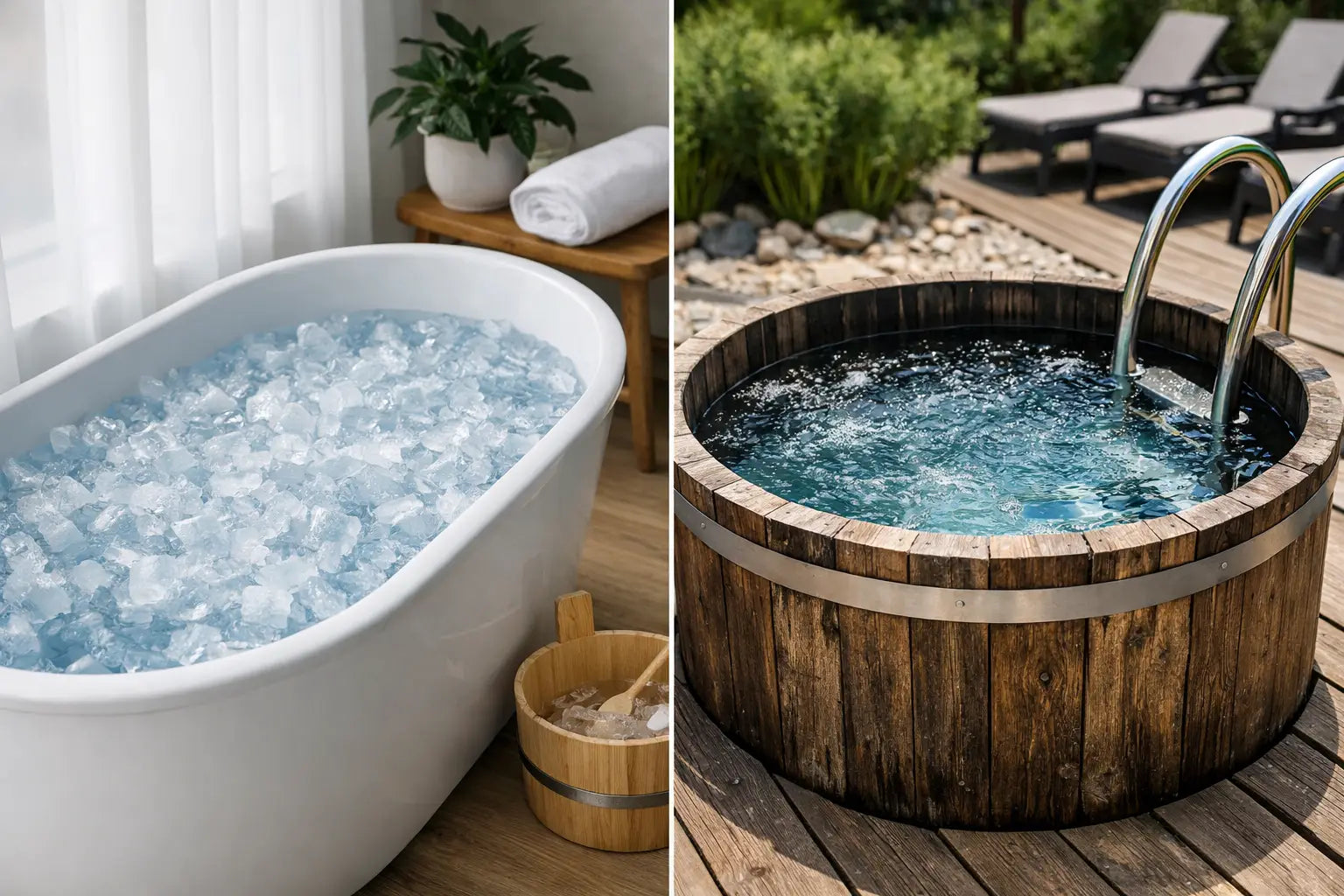
If you reduce the temperature, do so in small increments, such as two to five degrees at a time, while returning to a shorter duration. Give each new setting several sessions before changing it again. A quality cold plunge tub or chiller makes that consistency easier by allowing you to set and maintain a precise temperature rather than relying on rapidly melting ice.
Build a Ritual Around the Plunge
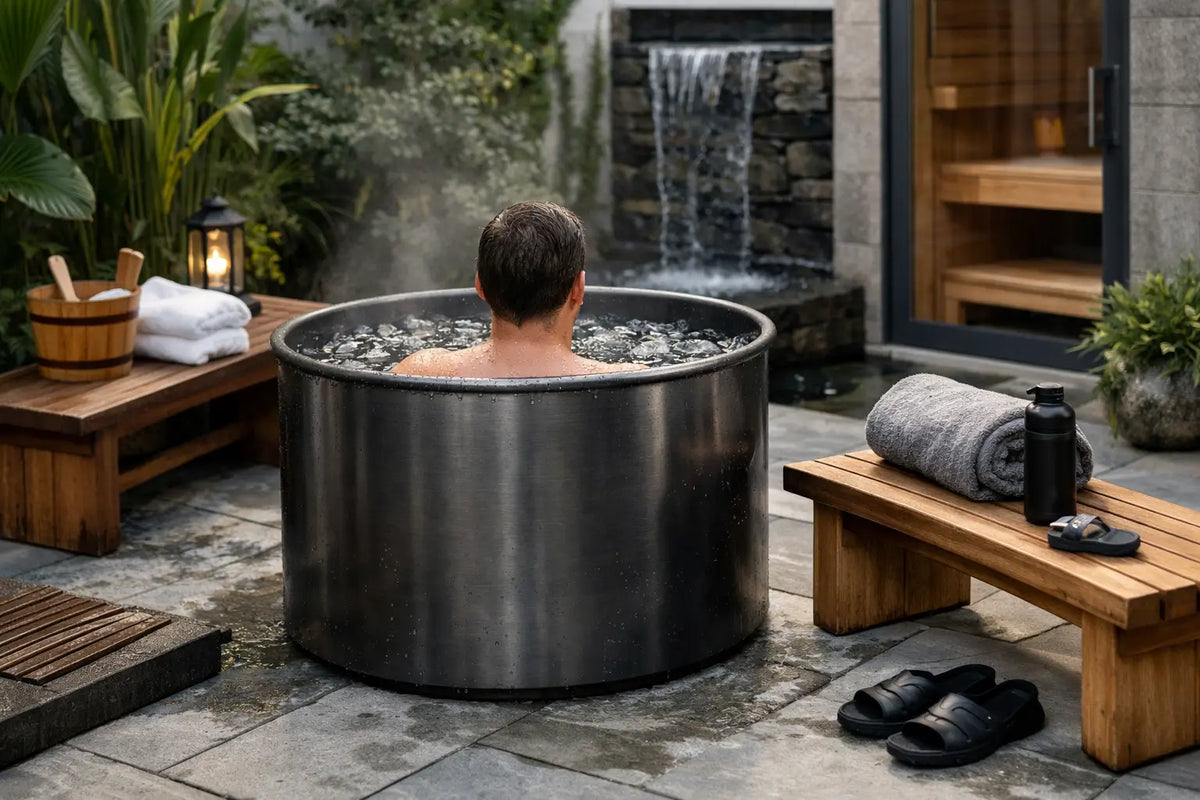
Cold exposure works best when the experience around it is intentional. Prepare what you need before getting in: a dry robe or towel, warm socks, water, and a clear route indoors if your plunge is outside. This small amount of preparation makes the transition back to warmth feel grounded rather than abrupt.
Consider pairing your plunge with a quiet practice that fits your goals. A few minutes of breathwork beforehand can help you enter with less apprehension. A short walk in natural light afterward may support a more awake, centered feeling. If you also use a sauna, keep the contrast ritual gentle at first. Heat can make you feel relaxed and may affect blood pressure, while cold creates its own acute stress response. Move slowly between environments, hydrate, and avoid treating an extended hot-cold circuit as a competition.
For strength training, timing also deserves nuance. Some people appreciate cold water after especially strenuous activity because it feels soothing and helps them reset. Yet if building muscle is a primary goal, frequent cold immersion immediately after resistance training may not be ideal for everyone, since inflammation is part of the adaptation process. Consider reserving your plunge for separate times of day or less strength-focused training days if hypertrophy is central to your program.
Read the Signals That Matter
The value of a home wellness ritual is that it can be tailored closely to your real life. Keep a light mental record after each session. Notice your mood, sleep, muscle soreness, appetite, and willingness to return. These signals are more useful than chasing a number on a thermometer.
Signs your dose is serving you include controlled breathing during the plunge, a comfortable return to warmth afterward, and a refreshed or steady feeling in the hours that follow. Persistent shivering, lingering cold hands and feet, poor sleep, dread before every session, or a drop in training quality suggest it is time to scale back.
Recovery is not always about adding more stimulus. Sometimes the wiser choice is a warm shower, a sauna session, gentle movement, or an earlier bedtime. A thoughtfully designed wellness space gives you options, not pressure to use every tool every day.
Choose Consistency Over Intensity
Cold exposure does not need to look extreme to be effective as a personal ritual. A calm 90-second session you practice twice a week can be more meaningful than an occasional ice bath that leaves you rattled. The benefit is found in the repeatable moment: entering with awareness, regulating your breath, and returning to warmth with a clearer sense of what your body can do.
At WellNest Home, we believe the most enduring wellness spaces make recovery feel inviting enough to practice. Let your cold ritual evolve at the pace that keeps it supportive, safe, and genuinely yours.
Leave a comment
This site is protected by hCaptcha and the hCaptcha Privacy Policy and Terms of Service apply.