

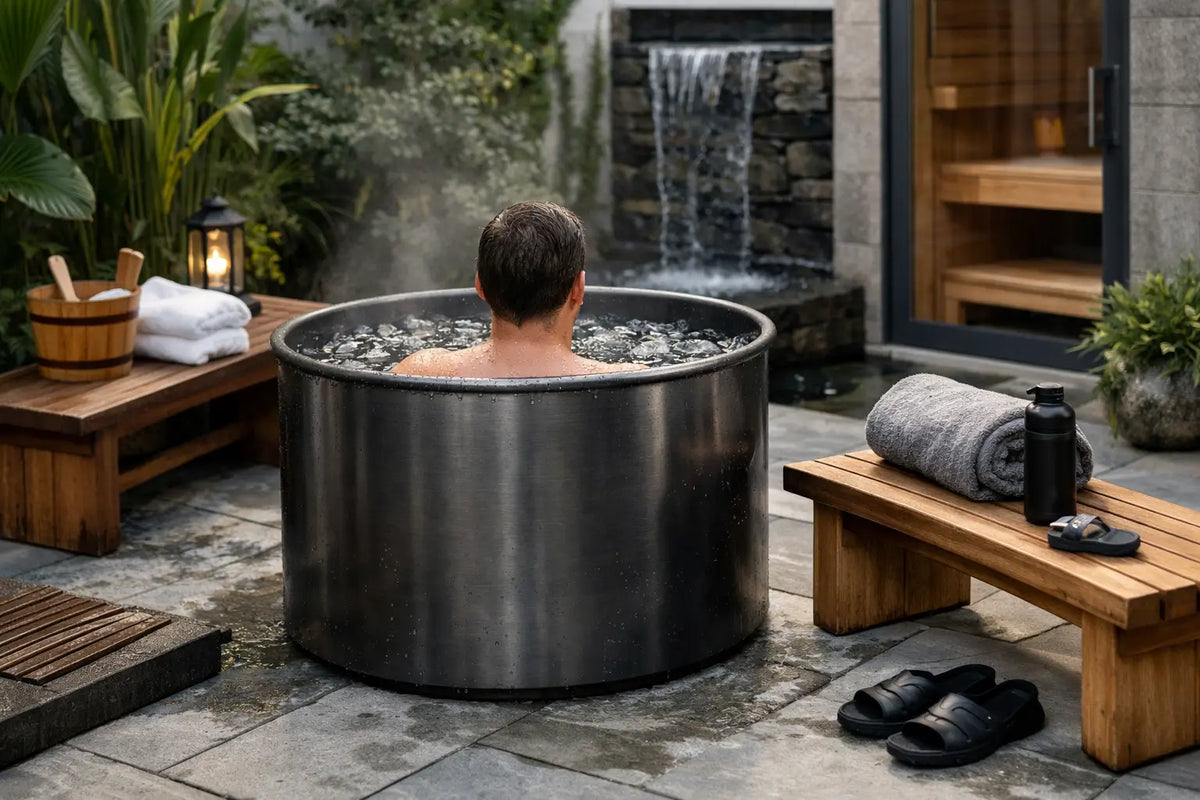
Prepare a Cold Plunge Space for Better Recovery
A cold plunge can become one of the most clarifying moments of your day - but only when the setting supports the ritual. To prepare a cold plunge space well, think beyond where the tub will fit. Consider how you will enter it, warm back up afterward, manage water, and protect the calm that makes the practice sustainable.
The best home recovery spaces feel considered rather than improvised. They make an early-morning reset or post-training plunge feel easy to return to, even on the days when motivation is low.
Start With the Ritual, Not the Footprint
Before measuring a corner of the garage or patio, picture the full experience. Will you plunge after a workout, as part of a sauna session, or before the household wakes up? Your answer shapes the location, level of privacy, lighting, and nearby amenities you will need.
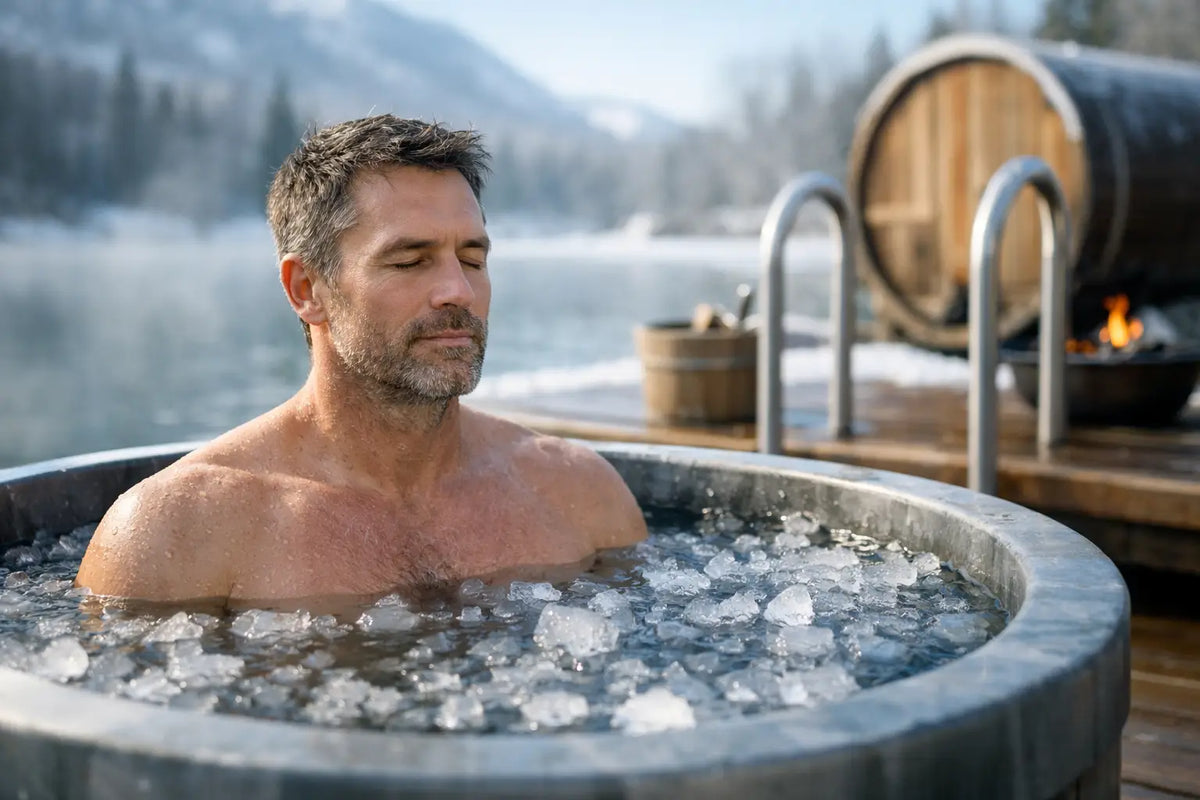
A basement, home gym, dedicated wellness room, covered patio, or quiet section of a backyard can all work beautifully. Indoors offers dependable privacy and temperature control. Outdoors can feel more expansive and restorative, especially when paired with fresh air, natural light, or a nearby sauna. The trade-off is greater exposure to weather, seasonal debris, and changing ground conditions.
Give yourself room to move around the tub without feeling rushed. You will want a stable place to stand, set down a towel, adjust the controls, and step out safely. A space that technically accommodates the tub but leaves no comfortable circulation around it often becomes less enjoyable in daily use.
Choose a Surface That Can Handle Water and Weight
Cold plunge tubs are heavy before they are filled and substantially heavier once water is added. The foundation must be level, structurally appropriate, and capable of supporting the combined weight of the tub, water, equipment, and user. For outdoor installations, a reinforced concrete pad is often a dependable choice. Indoors, particularly on an upper floor, consult a qualified contractor or structural professional before installation.
Avoid placing a plunge on uneven pavers, soft soil, standard decking without verification, or any surface likely to shift with moisture or freeze-thaw cycles. A level surface also helps your equipment operate as intended and prevents water from collecting where it should not.
Water-resistant flooring is equally valuable indoors. Tile, sealed concrete, and other nonporous materials are easier to maintain than carpet, untreated wood, or delicate finishes. If your preferred location has a more vulnerable floor, use a properly sized waterproof mat or containment tray as an added layer of protection, while still addressing the underlying load requirements.
Plan Drainage Before the First Fill
Every cold plunge needs a plan for water changes, splashing, and occasional maintenance. This is one of the least glamorous decisions, and one of the most consequential. A nearby floor drain, utility sink, exterior drainage area, or plumbing connection can make care straightforward. Without one, routine water changes may become inconvenient enough to interrupt your ritual.
Do not send chemically treated water into a garden, storm drain, or location where it could affect plants, soil, or local waterways. Follow the guidance for your specific sanitation approach and check local rules if you are unsure where water may be discharged. A hose long enough to reach the intended drainage point is a small detail that prevents a great deal of friction later.
For indoor spaces, account for splash zones. Place absorbent, quick-drying mats where you enter and exit, and keep towels within arm's reach. A well-positioned bench or stool gives you a dry place to sit while you recover your breath and change afterward.
Confirm Power, Access, and Ventilation
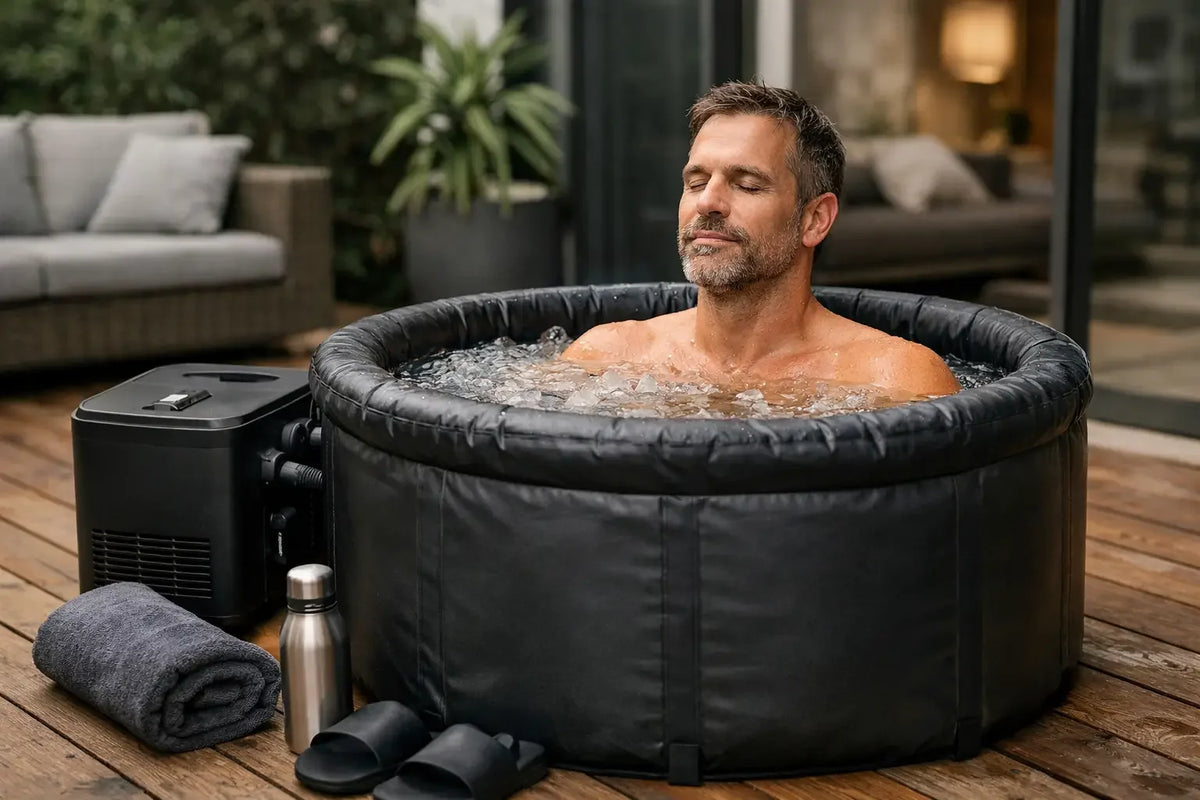
Many cold plunge systems use a chiller, filtration equipment, or both. These components need appropriate electrical access, ideally on a dedicated, grounded circuit with GFCI protection where required. Do not rely on an overloaded power strip or a temporary extension-cord arrangement for a permanent wellness installation. An electrician can confirm the safest setup for your model and location.
Keep the equipment accessible for service and airflow. Chillers generate heat as they work, so crowding one into a sealed closet or tight cabinet can reduce performance and place unnecessary stress on the system. Follow the manufacturer's clearance recommendations, especially when the plunge is installed indoors.
Ventilation matters in enclosed rooms, too. Cold water itself does not create the same humidity load as a steam room, but wet bodies, towels, and adjacent sauna use can add moisture quickly. Exhaust ventilation, a dehumidifier, or fresh-air circulation may be worthwhile in a compact recovery room. The goal is to preserve both the room and the sense of ease you want to feel there.
Prepare a Cold Plunge Space for Safe Entry and Exit
The transition into and out of cold water deserves as much attention as the plunge itself. Select a location with a clear, nonslip path. Textured flooring, outdoor-rated traction mats, and sturdy steps can all reduce the chance of slipping when feet and hands are wet.
If your tub has a taller wall, choose stable steps with a broad top surface rather than a narrow stool. A handhold, railing, or nearby wall can offer added confidence, especially for anyone new to cold exposure or returning to exercise after an injury. Keep the immediate area free from decorative objects, cords, and loose rugs.
Privacy is a practical safety feature as well as a luxury. When you are not concerned with being seen or interrupted, it is easier to focus on calm breathing and leave the water at the right moment. Outdoor spaces may benefit from screening, landscaping, fencing, or a covered structure. Indoors, a door that closes, soft lighting, and a simple signal to family members can protect the ritual.
Build a Warm Return Into the Design
Cold exposure is only one part of recovery. The minutes afterward are where your space can feel especially supportive. Keep a plush robe, dry towels, warm socks, and water nearby. If your routine includes sauna use, position the two experiences close enough to transition comfortably, but not so close that wet traffic creates a slippery bottleneck.
A simple seating area elevates the experience more than many people expect. It might be a teak bench outdoors, a moisture-resistant chair in a wellness room, or a small resting place beside your sauna. This is where you can sit, breathe, and let your body return to warmth without immediately moving back into the demands of the day.
Consider lighting with care. Bright overhead lighting can feel clinical during an evening recovery session, while very low light may make wet flooring harder to navigate. Dimmable fixtures, warm wall lighting, or weather-rated pathway lights create atmosphere while keeping the route visible.
Keep Maintenance Within Reach
A cold plunge is most inviting when the water is clear, the temperature is reliable, and the care routine feels manageable. Store your testing supplies, approved sanitizer, skimmer, spare filters, and cleaning cloths in a closed cabinet or weather-protected storage bench nearby. This keeps the room visually calm without sending you on a search each time maintenance is due.
Your water-care schedule will depend on the tub, filtration system, how often it is used, whether users rinse before entering, and the manufacturer's guidance. A shower nearby is helpful, particularly after workouts, since lotions, sweat, and body oils can place a heavier burden on the water. For many homeowners, this is the difference between a cold plunge that feels like a lasting ritual and one that becomes another task.
Let the Space Reflect the Reason You Chose It
You do not need to turn your home into a commercial spa. The most successful cold plunge spaces are often restrained: clean materials, a few soft textiles, storage that disappears when closed, and details that invite you to slow down. Natural wood, stone-inspired surfaces, greenery suited to the environment, and a scent reserved for the room can make the experience feel personal without compromising function.
At WellNest Home, we encourage homeowners to treat recovery equipment as part of an intentional rhythm, not a stand-alone purchase. Your space should make that rhythm easier to keep. When the floor is secure, the water is simple to maintain, and warmth is waiting nearby, a few focused minutes can become a reliable return to clarity.
Leave a comment
This site is protected by hCaptcha and the hCaptcha Privacy Policy and Terms of Service apply.