

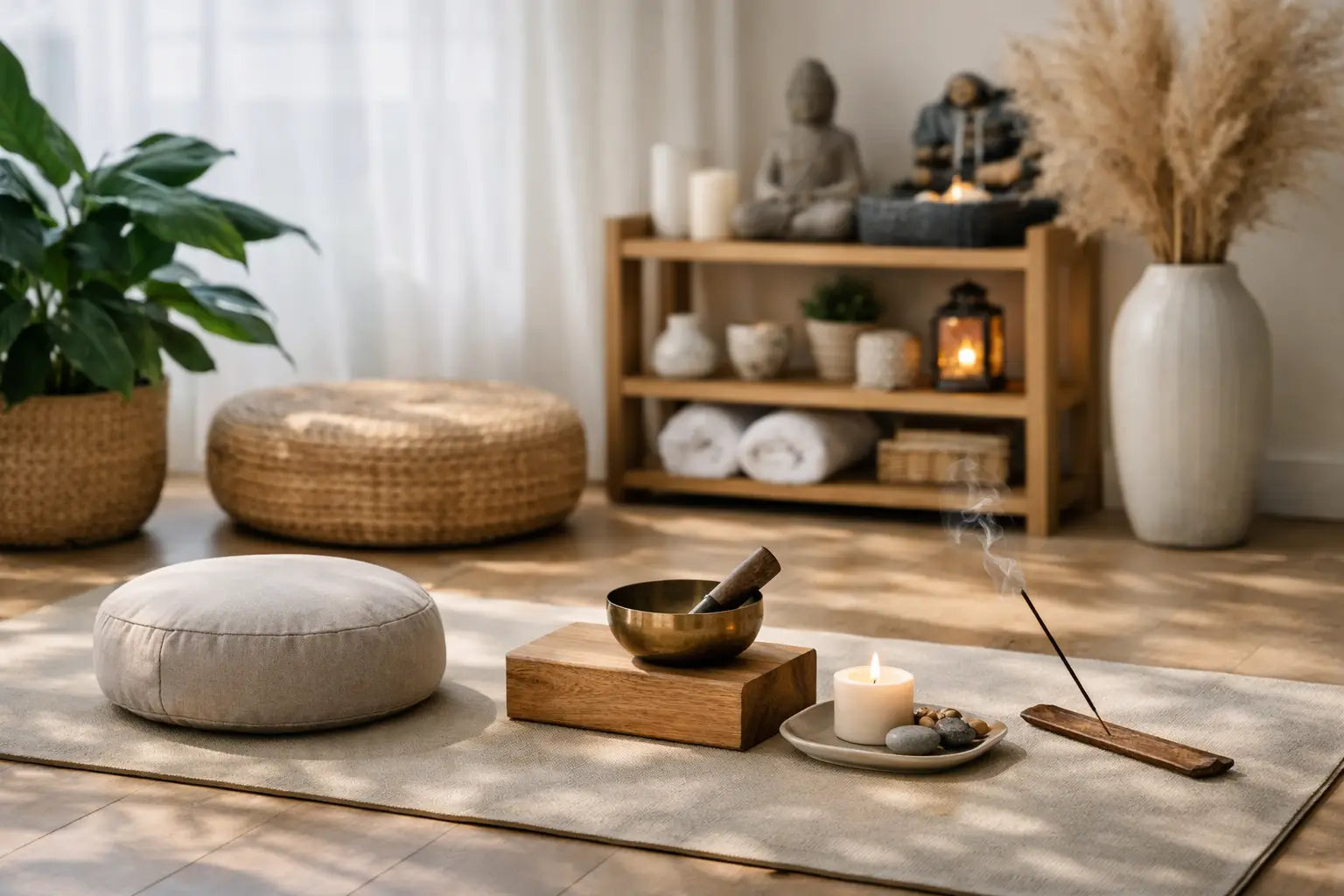
How to Create a Wellness Space at Home
The best wellness spaces are rarely the biggest rooms in the house. More often, they begin with a corner you stop rushing through - a guest room that sits unused, a quiet stretch of primary suite flooring, a patio with morning light, or even a basement area waiting for a clearer purpose. If you are wondering how to create a wellness space at home, start there: not with square footage, but with the feeling you want to return to at the end of a demanding day.
A well-designed home wellness space should do more than look beautiful. It should help your body shift states. That might mean easing muscular tension after training, supporting circulation and recovery, making room for stillness, or giving you a dependable ritual before work or before sleep. The most effective spaces feel intentional because every choice supports a specific outcome.
Begin with the ritual, not the room
One of the most common mistakes is designing around products first and habits second. A more grounded approach is to define the ritual you want this space to support. Do you want a place to warm the body and decompress? A recovery zone for contrast therapy? A calm setting for breathwork, stretching, and red light therapy? Or a quiet sanctuary that helps you step away from screens and mental noise?
When you answer that question clearly, the rest becomes easier. A heat-centered ritual may point you toward an infrared sauna or traditional sauna experience. A performance and recovery ritual may benefit from the pairing of sauna and cold plunge. If your goal is stress relief with minimal footprint, a red light therapy panel, aromatherapy, and comfortable seating may create exactly the shift you need.
This is also where honesty matters. The ideal setup is not always the most elaborate one. If you know you will use a 20-minute recovery corner four times a week, that may serve you better than a large installation that feels aspirational but disconnected from your routine.
How to create a wellness space at home that you will actually use
Consistency comes from convenience. Your wellness space should feel close enough, simple enough, and inviting enough that using it does not require a major effort. If every session involves rearranging furniture, carrying equipment, or waiting for the room to feel usable, your ritual may fade.
Choose a location that matches how you live. A primary bathroom or adjacent dressing area works well for private, daily rituals. A garage, basement, or dedicated fitness room often makes sense for recovery-focused setups with more equipment. An outdoor area can be ideal for barrel saunas, cold plunges, and a stronger sense of separation from the pace of the house.
Privacy matters, but so does flow. If you want to use your space before a shower, after a workout, or in the evening before bed, place it where those transitions happen naturally. The more friction you remove, the more likely the space becomes part of your life rather than an occasional indulgence.
Let the environment calm the nervous system
Luxury in a wellness room is not about excess. It is about restraint, comfort, and sensory clarity. The room should tell your body that it is safe to exhale.
Start with light. Natural light is ideal during the day, but it should be softened rather than harsh. In the evening, warm layered lighting is often more effective than a bright overhead source. Dim illumination helps signal that this is a place for restoration, not stimulation.
Material choices matter too. Wood, stone, soft cotton, linen, and matte finishes tend to create a steadier visual experience than glossy, highly reflective surfaces. Color should feel quiet and grounded. Cream, sand, warm gray, soft green, charcoal, and natural wood tones often work well because they support calm without feeling flat.
Sound deserves equal attention. Some homeowners prefer silence. Others relax more fully with low instrumental sound, guided breathwork, or subtle ambient audio. The goal is not to add sensory input for its own sake, but to choose what lowers mental noise.
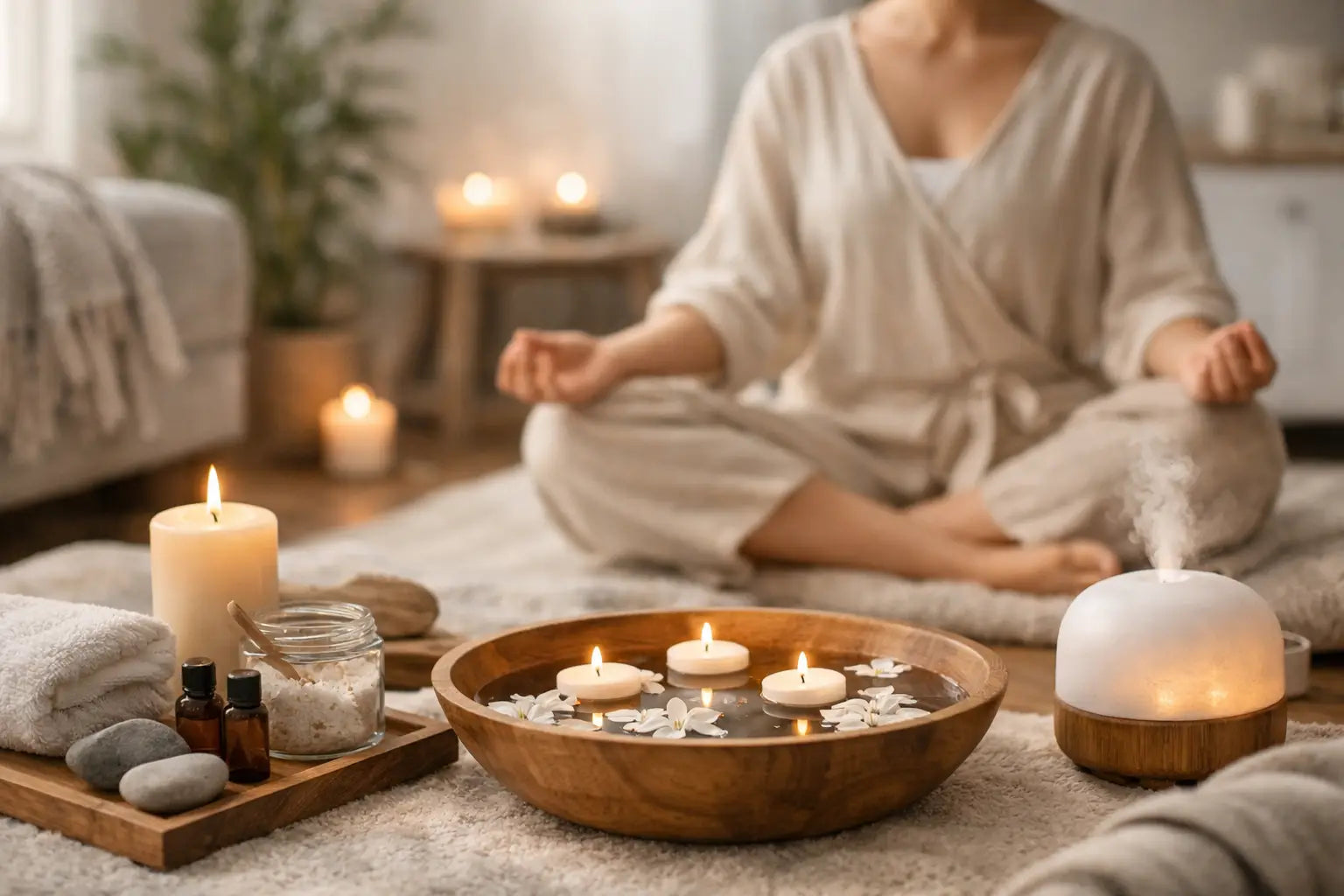
Scent can be powerful when used carefully. Aromatherapy often works best when it is consistent and understated. Eucalyptus, cedar, lavender, and other grounding profiles can deepen the ritual, especially in heat and steam settings. Strong or overly sweet fragrance, however, can compete with the restorative feel you are trying to create.
Choose tools that match your goals
A wellness space does not need every category of equipment. It should include the elements that meaningfully support your body and routine.
Saunas are often the anchor for people seeking warmth, relaxation, and full-body recovery. Infrared saunas are popular for their approachable in-home footprint and gentle, penetrating heat. Traditional and steam options create a more classic enveloping heat experience. The right choice depends on the sensation you prefer, the installation conditions in your home, and how long you like to stay in session.
Cold plunge setups appeal to people who want a sharper reset, especially after heat exposure or intense training. The contrast between hot and cold can feel clarifying and invigorating, but it is not for everyone, and comfort with cold exposure varies widely. If you are new to it, smaller and more manageable sessions are often wiser than pushing intensity too quickly.
Red light therapy is a strong option for a low-footprint wellness area. It works especially well for people who want recovery support without dedicating an entire room to one modality. It can fit naturally into morning routines, post-workout recovery, or evening wind-down depending on the setup and your preferences.
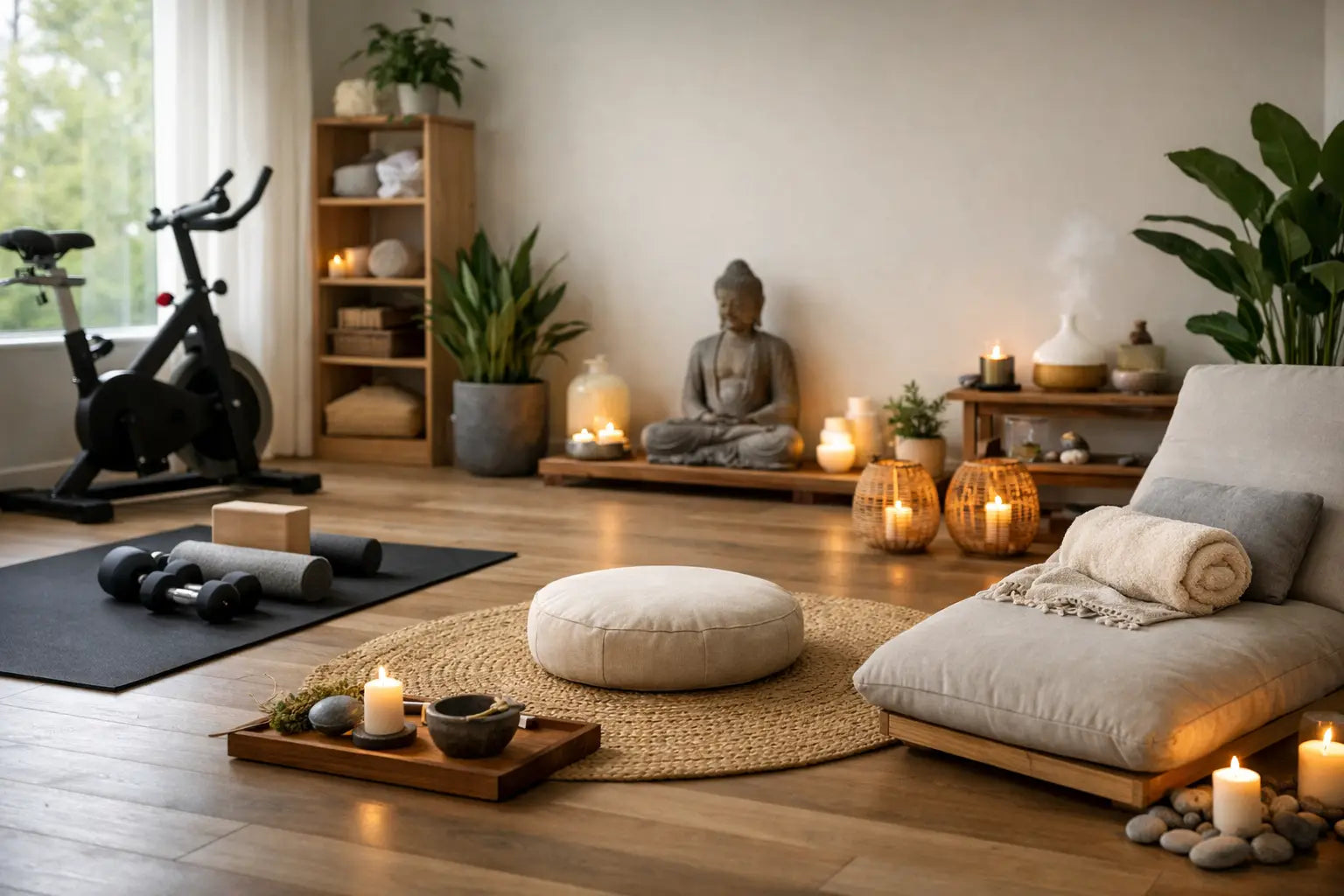
The smaller accessories often shape the experience more than people expect. Supportive seating, quality robes and towels, hydration within reach, storage that keeps clutter out of sight, and a clean place to rest between sessions all contribute to whether the room feels restorative or unfinished.
Design for beauty, but also for care and maintenance
The most appealing wellness spaces hold up to regular use. That means planning beyond the first impression.
Ventilation is essential in heat and moisture-heavy environments. Flooring should be durable, easy to clean, and suitable for bare feet. Storage should keep oils, towels, and accessories organized without making the room feel busy. If your setup includes water-based elements, think carefully about drainage, cleaning access, and the practical rhythm of upkeep.
This is one of the clearest trade-offs in home wellness design. The more advanced the setup, the more important maintenance becomes. A beautifully styled room that is difficult to clean or manage can quietly become a source of friction. A slightly simpler setup that is easy to maintain may deliver more lasting value because it stays in use.
Make the space feel personal, not generic
A home sanctuary should reflect your version of wellness, not a trend cycle. Some people want a minimal, almost architectural environment. Others want softness, texture, and a deeper cocooning effect. Both can work beautifully if the design remains coherent.
Keep decor selective. A single piece of calming art, a sculptural stool, a ceramic water vessel, or a shelf with a few meaningful objects can be enough. Over-decorating tends to work against the clarity most people are trying to create.
It also helps to define what does not belong there. This is rarely the right room for visual clutter, charging cables, laundry overflow, or anything tied to unfinished tasks. Protecting the emotional purpose of the space is part of the design.
Think in sequences, not standalone moments
The most memorable wellness rooms support a complete arc. You enter, settle, use the modality, transition, and return to the rest of your day feeling different than when you arrived.
That sequence might look like a few minutes of quiet breathing, followed by sauna heat, a cold rinse or plunge, hydration, and a short seated recovery period. Or it may be much simpler: ten minutes of red light therapy at sunrise and a calm place to journal before the day begins. The ritual does not need to be long to be effective. It needs to be repeatable.
This is where expert curation matters. A premium wellness space should feel edited, not crowded with impulse purchases. The right pieces work together, support safety and performance, and help create meaningful outcomes at home. That is why many homeowners value a more guided approach from brands such as WellNest Home rather than trying to assemble a room from disconnected products.
Invest where it changes the experience
When budgeting, focus first on the elements that most directly affect use, comfort, and results. For some people, that is the primary modality itself. For others, it is the installation quality, the layout, or the environmental details that make the room feel welcoming every day.
There is no single correct spending pattern. A smaller room with excellent lighting, refined materials, and one well-chosen recovery tool can feel far more elevated than a larger room filled with equipment that competes for space. If your budget is substantial, that does not mean every category needs to be added at once. Building in phases often leads to better decisions because you can see how each element supports your routine.
The most rewarding wellness spaces are not designed to impress for a week. They are designed to hold you well for years. Create a place that welcomes you back to warmth, quiet, and clarity with as little resistance as possible, and your home will begin to care for you in a new way.
Leave a comment
This site is protected by hCaptcha and the hCaptcha Privacy Policy and Terms of Service apply.