

Article: 11 Home Wellness Room Ideas That Last
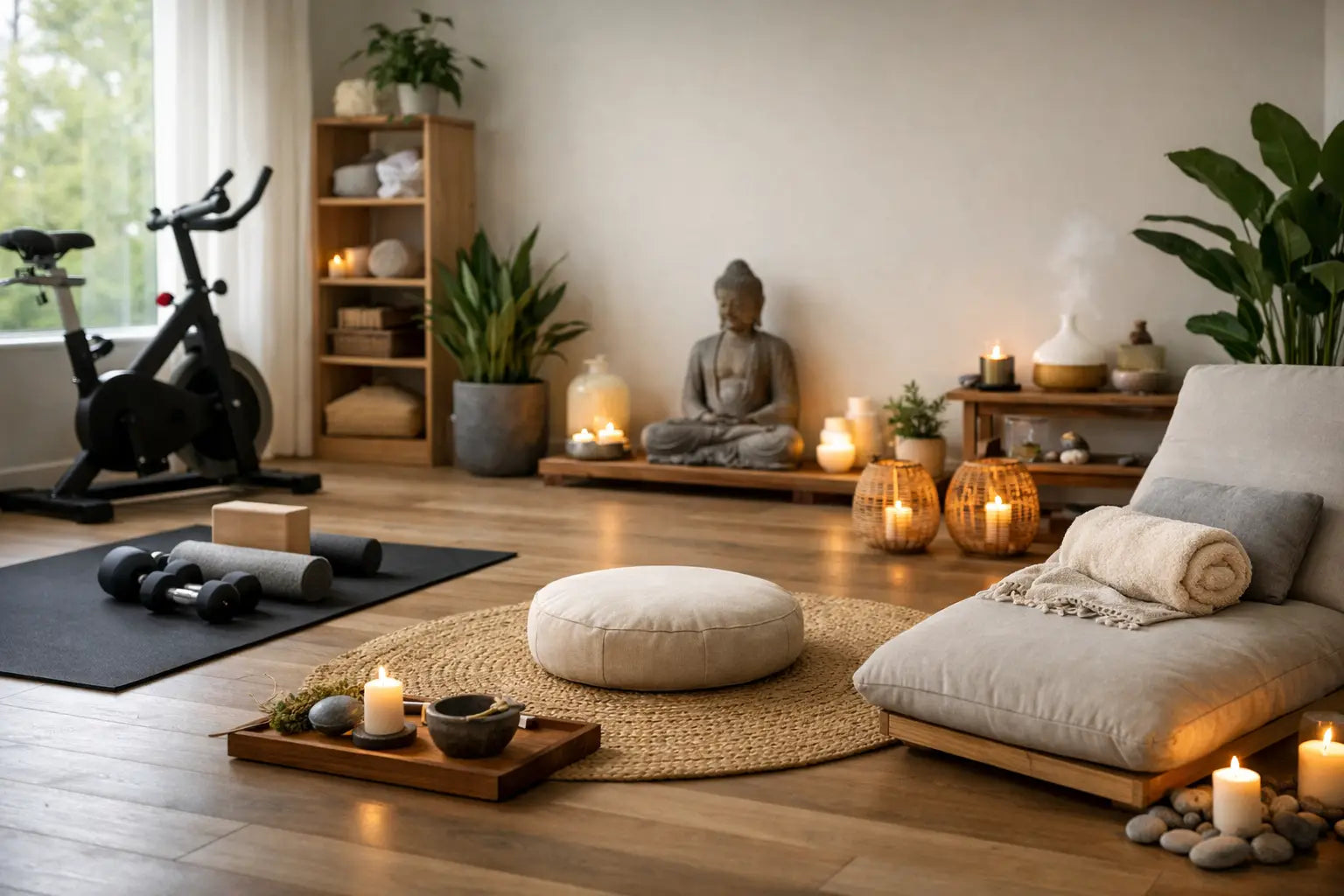
11 Home Wellness Room Ideas That Last
A wellness room should earn its place in your home. Not by looking beautiful for a week, but by making you want to step inside on a stressful Tuesday, after a hard workout, or before the day asks too much of you. The best home wellness room ideas are not about filling a spare room with trends. They are about shaping a space that supports calm, recovery, and a more intentional rhythm of living.
For some households, that means a quiet infrared sauna and a bench for cooling down. For others, it is a red light corner, a cold plunge setup, and a place to breathe before work. The right room depends on how you want to feel when you enter it and what kind of ritual you want to return to consistently.
Start with the outcome, not the furniture
Before choosing finishes or equipment, decide what the room needs to do for you. A wellness room built for stress relief will look different from one designed around athletic recovery. If your goal is nervous system regulation, softer lighting, warmer materials, aromatherapy, and sound control matter as much as the products themselves. If your priority is performance recovery, you may want a more structured layout with space for heat therapy, cold immersion, stretching, and hydration.
This is where many home wellness room ideas fall flat. They borrow the look of a spa without supporting an actual practice. A room can be visually serene and still feel inconvenient if the towel storage is awkward, the flooring is slippery, or the lighting is too harsh at night. Good design begins with use.
Create zones that support ritual
A wellness room tends to work best when it is arranged in clear zones rather than treated as one open, undefined area. Even in a smaller footprint, subtle zoning helps the room feel purposeful.
A heat zone for release
If heat is part of your routine, place it where airflow, electrical planning, and comfort are easiest to manage. Infrared saunas are often a natural fit for indoor wellness rooms because they integrate well into finished spaces and support a restorative daily ritual. Traditional or steam options may suit homeowners who want a more immersive heat experience, but they usually require more planning around ventilation and installation.
The surrounding area matters too. Leave enough room to sit before and after your session. A simple stool, teak bench, or low-profile lounge chair can turn a sauna from a high-ticket object into a true ritual anchor.
A recovery zone for circulation and reset
Cold plunge tubs, red light therapy panels, massage tools, or floor space for mobility work can sit in a second zone devoted to recovery. This area should feel clean, organized, and easy to maintain. If you are using water-based therapies, durable flooring and nearby storage become essential. If red light is your focus, think about wall placement, eye comfort, and whether you want the experience to feel energizing in the morning or calming in the evening.
There is no rule that says every room needs every modality. In fact, restraint often creates a more luxurious result. Choose the tools you will actually use and give them room to breathe.
A quiet zone for transition
One of the most overlooked home wellness room ideas is also one of the most effective - make space for transition. This can be as simple as a mat for breathwork, a chair for journaling, or a small table with water, towels, and essential oils. The point is not decoration for its own sake. It is giving your body a few minutes to shift gears before and after treatment.
That pause is often where the room begins to feel less like a purchase and more like care.
Choose materials that calm the senses
A true wellness environment should feel grounded the moment you enter. Natural wood, limewashed walls, soft plaster tones, stone, cotton, and linen all create visual quiet without feeling sterile. You do not need a large budget to achieve this, but you do need consistency.
Try to avoid competing finishes or overly glossy surfaces that pull the room toward a standard bathroom or home gym aesthetic. Warm neutrals tend to age better than stark white. Textured materials soften sound and make the room feel more settled. If your wellness room includes advanced equipment, these natural finishes help balance the technical elements with warmth.
There is also a practical side to material selection. If the room includes sauna use, steam, or cold plunge equipment, surfaces need to withstand heat, humidity, and frequent cleaning. Beauty matters, but longevity matters just as much.
Let lighting shape the experience
Lighting determines whether a room feels restorative or overstimulating. Overhead recessed lights on a single bright setting rarely do a wellness room any favors. Layered lighting is usually the better approach.
Wall sconces, dimmable fixtures, concealed LED accents, and candlelike portable lamps can all help the room move with you throughout the day. Brighter light may make sense in the morning or while cleaning the space. In the evening, lower light levels support a softer transition into rest.
If natural light is available, treat it as part of the design. Sheer window coverings, filtered daylight, and privacy solutions can make the room feel open without sacrificing intimacy. If privacy is limited, frosted glass or slatted wood partitions can preserve both light and calm.
Keep technology supportive, not dominant
Wellness technology can be transformative, but the room should never feel like a showroom. If screens, cords, and controls are the first things you notice, the atmosphere shifts quickly.
This is why built-in planning matters. Conceal what you can. Store accessories in closed cabinetry or baskets that feel considered. If you are investing in premium equipment, make sure the room supports the product instead of forcing it into an afterthought corner.
For many homeowners, the most satisfying setups pair one or two clinically credible modalities with excellent room design. A red light panel in a cluttered room feels clinical in the wrong way. The same panel in a warm, quiet space can feel deeply restorative. Context changes the experience.
Add sensory details with intention
Scent, sound, and touch all shape whether you will want to use the room daily. Aromatherapy can help establish a familiar cue for relaxation, but keep it subtle. A room that smells overly perfumed can work against the sense of clarity you are trying to create.
Sound deserves equal attention. If the space is near a laundry room, garage, or shared family area, soft acoustic treatments, rugs, upholstered seating, or even a solid-core door can improve the experience more than another decorative object ever will. Quiet is one of the most luxurious features a wellness room can offer.
Textiles should feel easy, elevated, and washable. Think plush towels, a supportive mat, a light robe, or a woven basket that keeps essentials close at hand. These small choices often determine whether the room feels inviting every day or only occasionally.
Design for your actual schedule
The most successful home wellness room ideas fit into real life. If you have 20 minutes before the school run or a narrow gap between meetings, your room needs to work quickly. That may mean placing it near a primary bathroom, adding easy-access storage, or choosing equipment that warms up efficiently and requires minimal setup.
If your routine is more expansive, you may want a fuller sanctuary experience with layered rituals and longer recovery sessions. Neither approach is better. It depends on how your days unfold and how much friction you are willing to tolerate. A beautiful room that asks too much of your schedule will quietly go unused.
This is one reason guided curation matters in a high-consideration category. The right setup is not only about aesthetics or aspiration. It is about matching your space, goals, and tolerance for maintenance with products that genuinely support outcomes.
Home wellness room ideas for small spaces
A dedicated room is wonderful, but it is not the only path. A guest room corner, enclosed patio, primary suite alcove, or finished basement nook can all become a strong wellness environment if the design is disciplined.
In smaller spaces, fewer pieces usually create a stronger result. Choose a hero element such as a compact sauna or red light setup, then support it with smart storage, a stool or bench, and one calming sensory layer such as aromatherapy or dimmable lighting. Small rooms benefit from visual restraint. When every surface is working too hard, the space feels busy instead of restorative.
This is also where expert guidance can save both money and regret. At WellNest Home, the strongest spaces tend to come from thoughtful pairing rather than overfilling - selecting equipment and accessories that create a coherent ritual instead of collecting disconnected wellness gadgets.
Make the room beautiful enough to return to
A wellness room should not feel separate from the rest of your home. It should feel like the most intentional part of it. That means honoring your existing architecture, choosing materials that belong in the house, and resisting the urge to copy a commercial spa too literally.
Luxury here is not excess. It is ease. It is stepping into a room where the temperature, lighting, textures, and tools all support how you want to feel. It is knowing the room is ready when you are. And it is trusting that the choices you made were not just attractive, but grounded in real support for recovery and calm.
If you are planning your own space, begin with one ritual you want to keep. Build around that with care, and let the room grow from use rather than ambition. The best wellness rooms do not ask for perfect discipline. They make restoration feel close enough to choose.
Leave a comment
This site is protected by hCaptcha and the hCaptcha Privacy Policy and Terms of Service apply.