

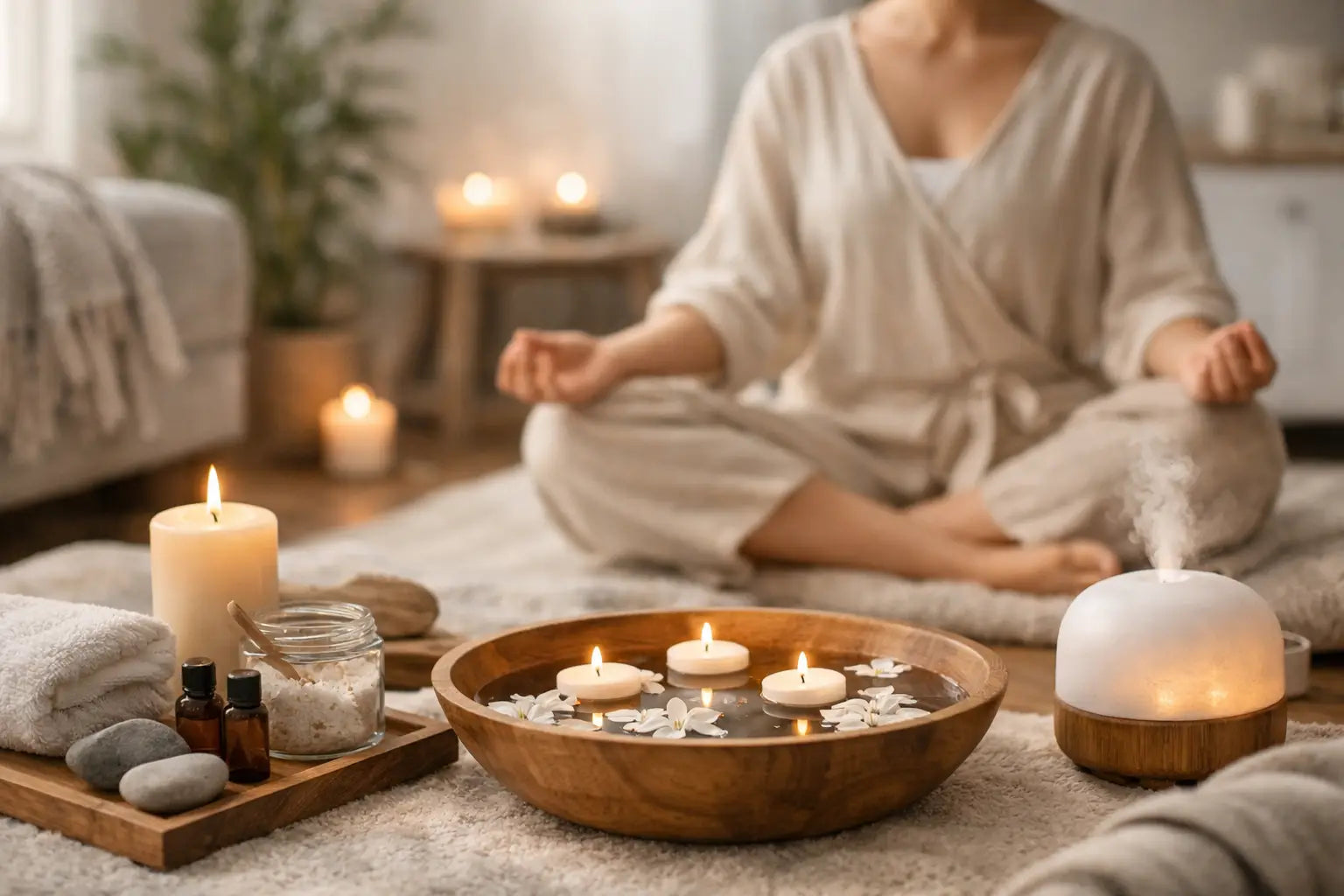
Wellness Ritual Ideas at Home That Truly Restore
The most restorative part of a home wellness practice is often not the equipment, the scent, or even the extra hour in your schedule. It is the moment your body recognizes that the day is changing. Thoughtful wellness ritual ideas at home create that signal - a repeatable transition from output to recovery, from stimulation to calm.
For busy professionals, active households, and anyone carrying the mental weight of a full calendar, a ritual does not need to be elaborate to be meaningful. It needs to be easy enough to return to. The goal is not to turn your home into a spa every evening. It is to create a personal sanctuary that supports the way you want to feel.
Start With the Outcome You Need Most
A beautiful ritual can still miss the mark if it does not fit the moment. Before choosing a practice, ask what your body and mind are asking for: warmth, release, quiet, energy, sleep support, or post-workout recovery.
Someone who sits through long video calls may need an evening ritual that loosens tension and creates distance from the workday. Someone training for a race may prioritize warmth, hydration, and gentle mobility after a demanding session. A parent with limited time may need a short morning practice that feels grounding rather than another task to complete.
This distinction matters because wellness is not one-size-fits-all. A cold plunge may feel invigorating after exercise for one person, while another may find a warm shower and slow breathing more supportive before bed. Let the desired outcome guide the ritual, then keep the steps simple enough to repeat.
Wellness Ritual Ideas at Home for Different Moments
Return to warmth after a demanding day
Warmth has a way of asking the body to soften. An infrared sauna, traditional sauna, steam session, or even a deliberately prepared bath can become a clear boundary between work and rest. Set aside your phone, bring in soft lighting, and give yourself time to sit without trying to solve anything.
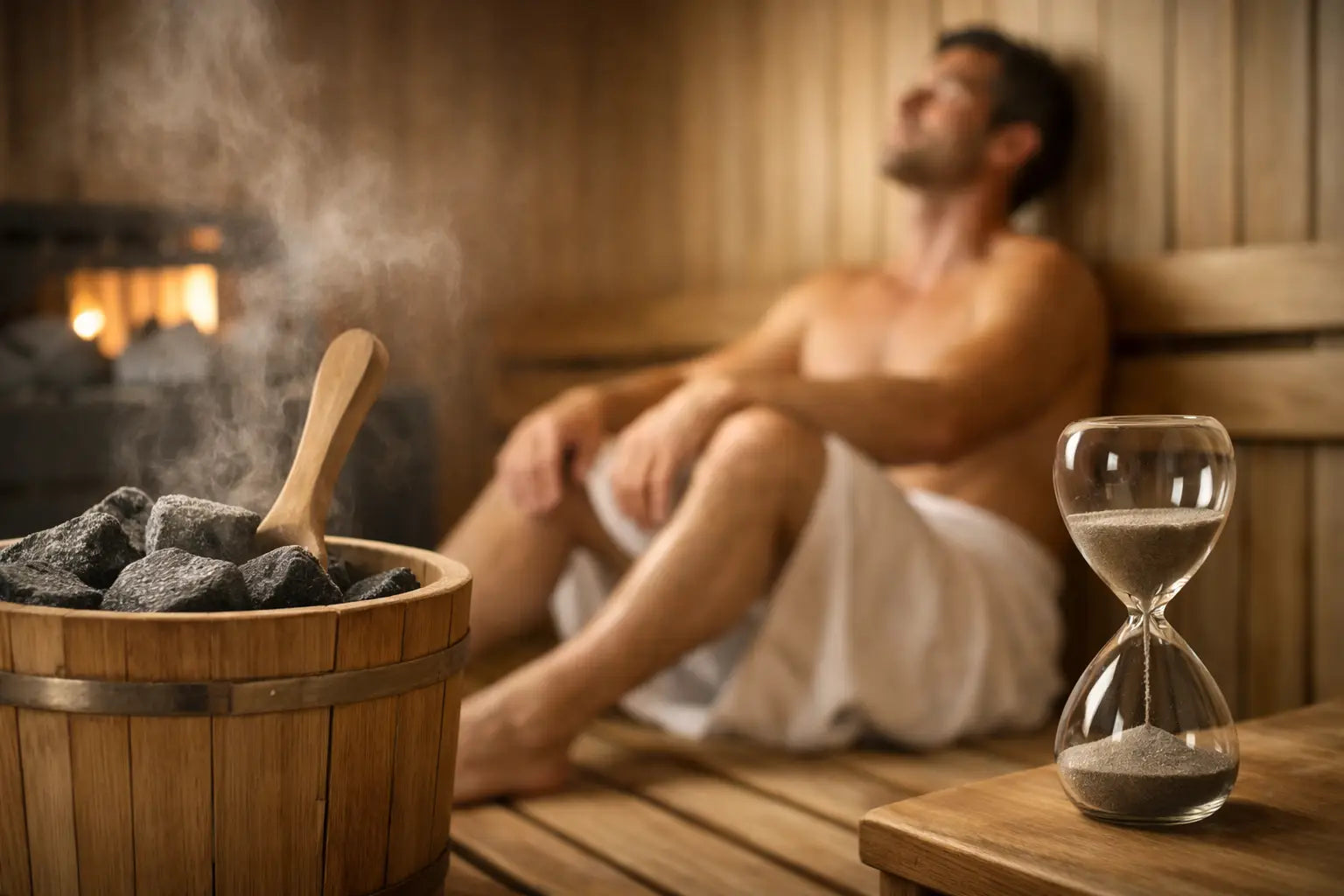
For a sauna ritual, begin with a glass of water and enter with a modest session length that feels comfortable for your experience level. Afterward, cool down gradually, rehydrate, and rest for a few quiet minutes. The ritual is not just the heat exposure. It is the unhurried recovery that follows.
Saunas are a meaningful investment when they become part of your weekly rhythm rather than an occasional novelty. Placement, ventilation, electrical requirements, and the type of heat you prefer all matter. A well-chosen home sauna should feel inviting enough that you naturally return to it.
Create a post-workout recovery window
The minutes after a workout are often swallowed by the next obligation. Protecting even 15 to 20 minutes for recovery can change how the rest of the day feels.
Start by drinking water, changing out of damp clothing, and giving your breathing a chance to settle. Add gentle movement that addresses what you actually trained: calf mobility after a run, chest opening after an upper-body workout, or a slow walk after a demanding strength session. Then choose one recovery tool, such as a warm sauna session, red light therapy, or a carefully timed cold plunge, rather than trying to do everything at once.
Cold exposure deserves a measured approach. It can be an energizing part of a recovery practice, but longer and colder are not automatically better. Begin conservatively, prioritize safe entry and exit, and avoid treating discomfort as a test of willpower. If you have cardiovascular concerns, are pregnant, or have a medical condition, speak with a qualified clinician before beginning a cold exposure routine.
Make a red light session feel intentional
Red light therapy is easiest to sustain when it is paired with something you already do. Instead of viewing it as another appointment on the calendar, place it near a quiet corner where you stretch, journal, or listen to a calming playlist.
Consistency and correct use matter more than turning every session into a production. Follow the device guidance for distance, duration, and eye protection. Use the same time of day for several weeks if that helps the practice become automatic. A few calm minutes spent standing still can be a welcome correction to a day spent moving from one demand to the next.
Build a transition ritual for sleep
A strong evening routine does not have to begin at bedtime. It can start when you dim the lights after dinner, make a cup of caffeine-free tea, or put tomorrow's workout clothes in place. These small cues tell the nervous system that urgency is no longer required.
Choose two or three elements and repeat them in the same order: a warm shower, aromatherapy in the bedroom, five minutes of legs-up-the-wall breathing, or a short entry in a notebook. Keep the room cooler than the rest of the home if possible, and let screens leave the space before you do.
Aromatherapy can make this ritual feel especially sensory. Lavender, cedarwood, bergamot, and eucalyptus are popular choices, but preference matters. The scent that makes you exhale is the right place to begin. Use oils as directed and take care around children, pets, or sensitivities.
Begin the morning with clarity, not urgency
Morning rituals are often portrayed as long and highly optimized. For most people, that is not realistic. A useful morning practice can take five minutes: open the blinds, drink water, stand near natural light, and take several slow breaths before opening your inbox.
If you have more time, add a brief red light session, mobility work, or a cool rinse at the end of a shower. The purpose is not to manufacture perfect energy. It is to choose your first input rather than letting notifications choose it for you.
Design the Space So the Ritual Is Easy to Keep
Friction is the quiet reason many wellness routines fade. If towels are in another room, a recovery mat is buried in a closet, or the space feels visually crowded, you will be less likely to use it when you need it most.
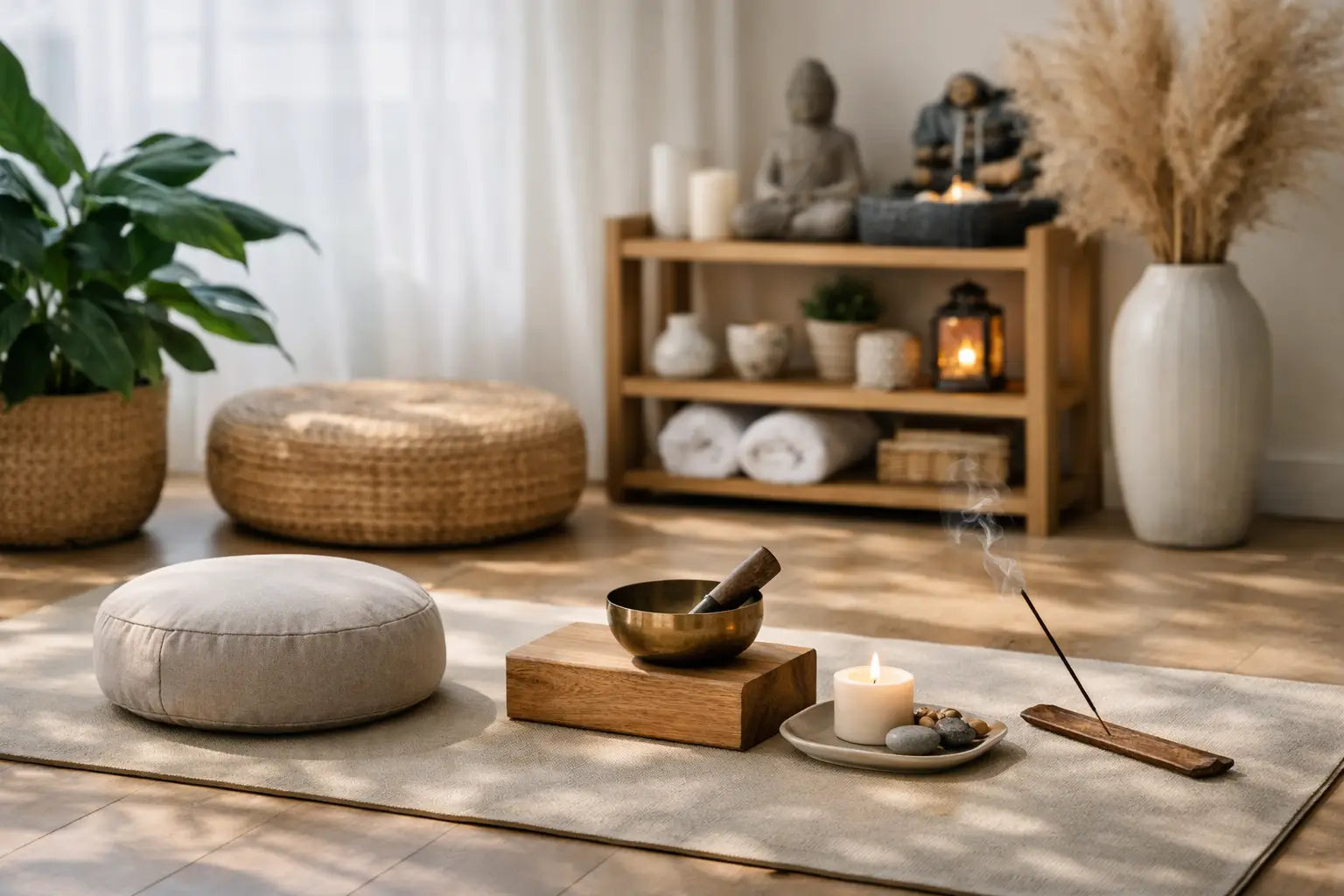
Create a small zone for the ritual, even if you do not have a dedicated wellness room. Keep essentials within reach: clean towels, water, a robe, a simple bench, and a basket for recovery accessories. Consider the sensory details too. Warm, dimmable light and uncluttered surfaces can make a corner of a primary suite, garage gym, or covered patio feel distinctly separate from the rest of the day.
For larger additions such as a sauna or cold plunge, practical planning protects the experience. Think through flooring, drainage, electrical capacity, privacy, maintenance, and the path from the unit to a shower or changing area. A premium wellness space should be beautiful, but it should also work beautifully on an ordinary Tuesday.
At WellNest Home, this ritual-first approach helps make high-consideration wellness equipment feel more personal: the best option is the one that fits your goals, home, and willingness to use it consistently.
Let Consistency Be More Luxurious Than Intensity
There is a temptation to build a ritual that looks impressive on paper: heat, cold, supplements, stretching, breathwork, and a flawless sleep routine. In real life, the practice that lasts is usually more modest.
Choose a minimum version for demanding days. It might be three minutes under a red light panel, a warm shower followed by moisturizer, or sitting quietly in a sauna for a brief, comfortable session. On spacious days, you can stay longer. On difficult days, the ritual still has a place.
Pay attention to how you feel before and after, not just to the streak you are building. If a practice leaves you depleted, anxious, lightheaded, or unable to sleep, scale it back. Wellness should expand your capacity to live well, not become another source of pressure.
Your home does not need to be perfectly designed before it can support restoration. Start with one cue that invites you to pause, one practice that helps you return to yourself, and one space you are glad to enter. Over time, those quiet choices can make recovery feel less like an escape and more like part of the life you are building.
Leave a comment
This site is protected by hCaptcha and the hCaptcha Privacy Policy and Terms of Service apply.