Red Light Therapy Timing That Makes Sense
A red light session can feel simple - step in, turn it on, stand still - but red light therapy timing often shapes the results more than people expect. The question is not only how often to use it. It is also whether you want to awaken to clarity in the morning, support recovery after training, or create a gentler transition into evening.
That is why timing should be matched to your goal, your schedule, and the way your body responds. For some people, morning sessions feel energizing and help establish a consistent ritual. For others, late afternoon or early evening use becomes part of a recovery routine that softens tension after work, training, or long hours at a desk. The best timing is rarely universal. It is personal, and that is exactly what makes it effective.
Why red light therapy timing matters
Red light therapy works by delivering specific wavelengths of light to the body, often with the goal of supporting cellular energy, circulation, skin health, and recovery. Timing matters because your body is not static across the day. Energy levels shift, stress hormones rise and fall, body temperature changes, and your nervous system moves between stimulation and rest.
A session first thing in the morning may feel different from one taken at 8 p.m., even if the panel, distance, and duration stay the same. Morning use may feel clarifying, especially for people who want a wellness ritual that helps them begin the day with intention. Evening use can feel grounding, but in some people, a session too close to bed may feel a little too activating.
This is where a more refined approach helps. Rather than asking for the single best time, it is better to ask what outcome you want most.
The best red light therapy timing by goal
For energy and mental clarity
Morning is often the most natural place to start. A session shortly after waking can complement the body’s natural transition into alertness. Many people like red light therapy in a bathroom, home gym, or wellness room where it becomes part of a steady morning rhythm.
If your days feel rushed, even a short morning session may be easier to maintain than promising yourself you will do it later. Consistency tends to matter more than finding a theoretically perfect hour that never fits real life.
For workout recovery
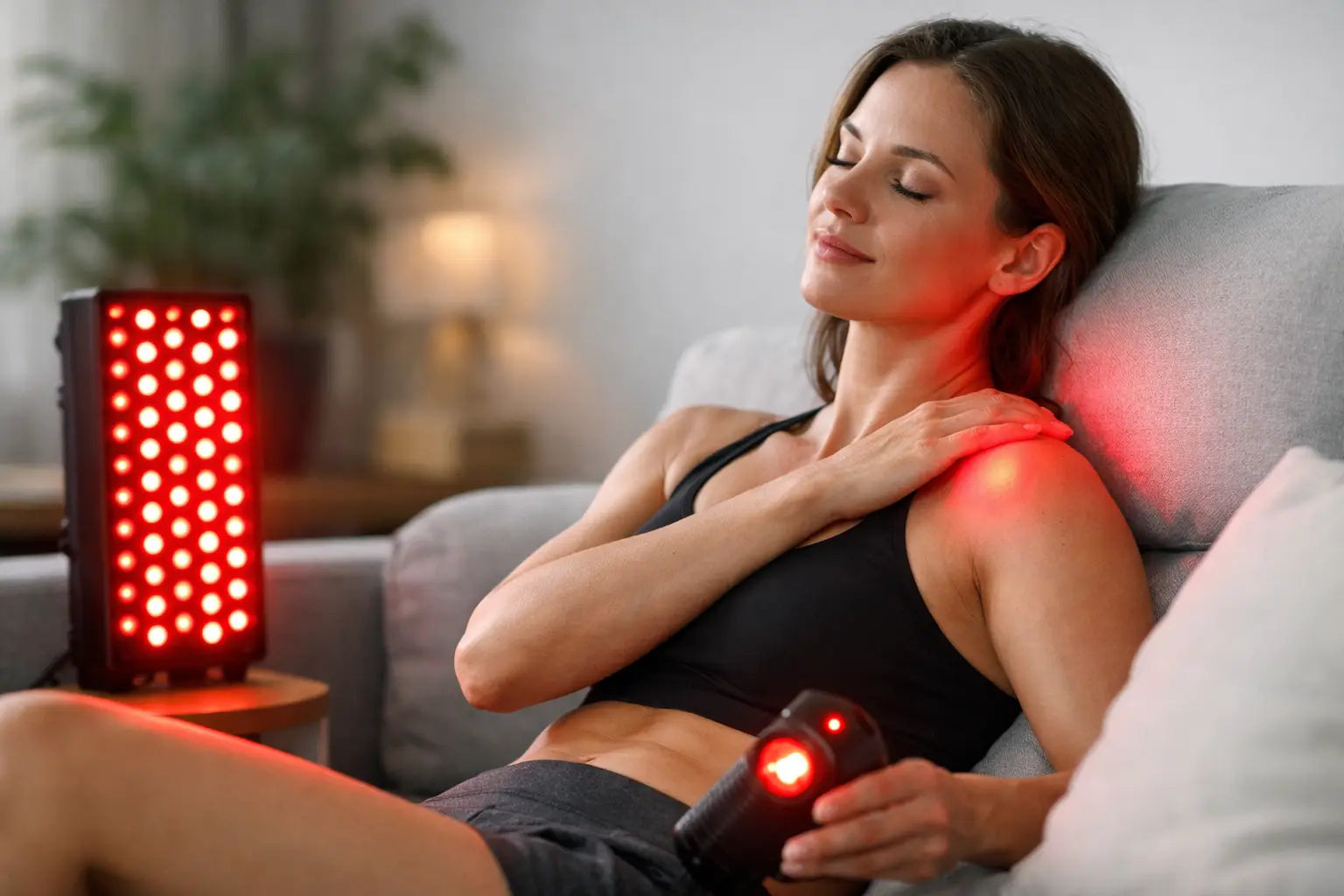
Both pre-workout and post-workout sessions can make sense, depending on your preference. Before exercise, some people use red light therapy as part of a warm-up routine, especially when they want to feel looser and more prepared to move. After exercise, it often fits naturally into recovery, particularly if your goal is to support circulation and muscle comfort.
The trade-off is convenience. If you train early, a pre-workout session may blend well into your morning. If you exercise after work, post-workout use may be easier to sustain. The better option is usually the one you will repeat consistently.
For skin-focused routines
Skin care users often do well with either morning or evening sessions. Morning can work beautifully if you want a fresh, polished ritual before the day begins. Evening may feel more restorative, especially if your skin care routine is already anchored there.
What matters most is regularity and following device guidance on session length and distance. Skin goals usually benefit from patience rather than intensity.
For relaxation and stress relief
Late afternoon and early evening are often ideal. This is when many people feel the accumulation of the day - physical tightness, mental fatigue, and that low-grade tension that keeps the nervous system from settling. A red light session during this window can act as a bridge between productivity and recovery.
That said, very late sessions do not suit everyone. Some people find light exposure relaxing. Others feel subtly more alert afterward. If you notice that nighttime use leaves you feeling too switched on, move the session earlier.
Morning vs evening red light therapy timing
Morning sessions are often best for people who want structure, energy, and consistency. There is less chance the day will interrupt the ritual, and many people enjoy the feeling of beginning in warmth rather than rushing straight into screens, emails, or errands.
Evening sessions tend to appeal to those who want red light therapy to feel more spa-like. The atmosphere can be quieter. The pace can slow down. In a well-designed home wellness space, this timing often feels deeply restorative.
Neither is automatically better. If your goal is daytime vitality, start in the morning. If your goal is recovery and unwinding, start in the late afternoon or early evening. Then pay attention to how your body responds for two to three weeks before changing course.
How long should a session be?
This depends on the device, the treatment area, and the manufacturer’s instructions. In most home routines, people use red light therapy for a relatively short session rather than for prolonged exposure. More is not always better, and longer sessions do not guarantee faster results.
The more useful question is whether your routine is sustainable. A 10-minute session you actually do five times a week is usually more valuable than an ambitious protocol that feels difficult to maintain. Premium home wellness is not about collecting complicated habits. It is about creating rituals that return you to yourself without adding friction.
How often should you use it?
For most people, consistency across the week matters more than chasing perfect daily precision. Many home users begin with several sessions per week and then adjust based on their goals, their device guidance, and their response.
If you are using red light therapy for general wellness, recovery, or skin support, regular use usually produces a better experience than occasional marathon sessions. Think of it less like a dramatic intervention and more like a steady practice, similar to movement, sauna, or breathwork. The body tends to respond well to rhythm.
When timing should change
Your ideal schedule may shift over time. If you start using red light therapy during a high-stress period, evening sessions may feel best. If your focus later turns to energy and routine, mornings may become a better fit.
There are also practical reasons to adjust. Seasonal changes, work hours, training cycles, and travel can all affect how a session feels. A winter morning session may feel deeply supportive when daylight is limited. During a heavy training block, post-workout timing may become more valuable. Timing should serve your life, not the other way around.
Common red light therapy timing mistakes
One common mistake is changing too many variables at once. If you adjust the time of day, the distance from the panel, the session duration, and the frequency all in the same week, it becomes difficult to tell what is actually helping.
Another is using it too late simply because it is the only quiet moment available, even if that timing does not feel ideal. If a bedtime session leaves you feeling alert, try moving it earlier, even by an hour.
The third is expecting immediate dramatic results. Red light therapy often works best as part of a broader home wellness rhythm that may also include sleep support, strength training, sauna, stretching, or stress reduction. The ritual matters. The environment matters. Your consistency matters.
A simple way to find your best timing
Start with the goal you care about most right now. If it is energy, use red light therapy in the morning. If it is recovery, place it after training or in the early evening. If it is skin support, choose the time you can repeat most easily.
Stay with that schedule for at least two weeks. Notice how you feel before the session, after the session, and later in the day. Are you more focused, more settled, less tense, or sleeping differently? That personal feedback is more valuable than forcing your routine into someone else’s formula.
For many people building a wellness space at home, that is the deeper appeal. A tool like red light therapy is not just about technology. It is about creating a room, a rhythm, and a standard of care that supports how you want to live. WellNest Home approaches wellness this same way - with thoughtful curation, clinical grounding, and rituals that fit real life.
The best time to use red light therapy is the time that helps you return to it calmly, consistently, and with purpose.