

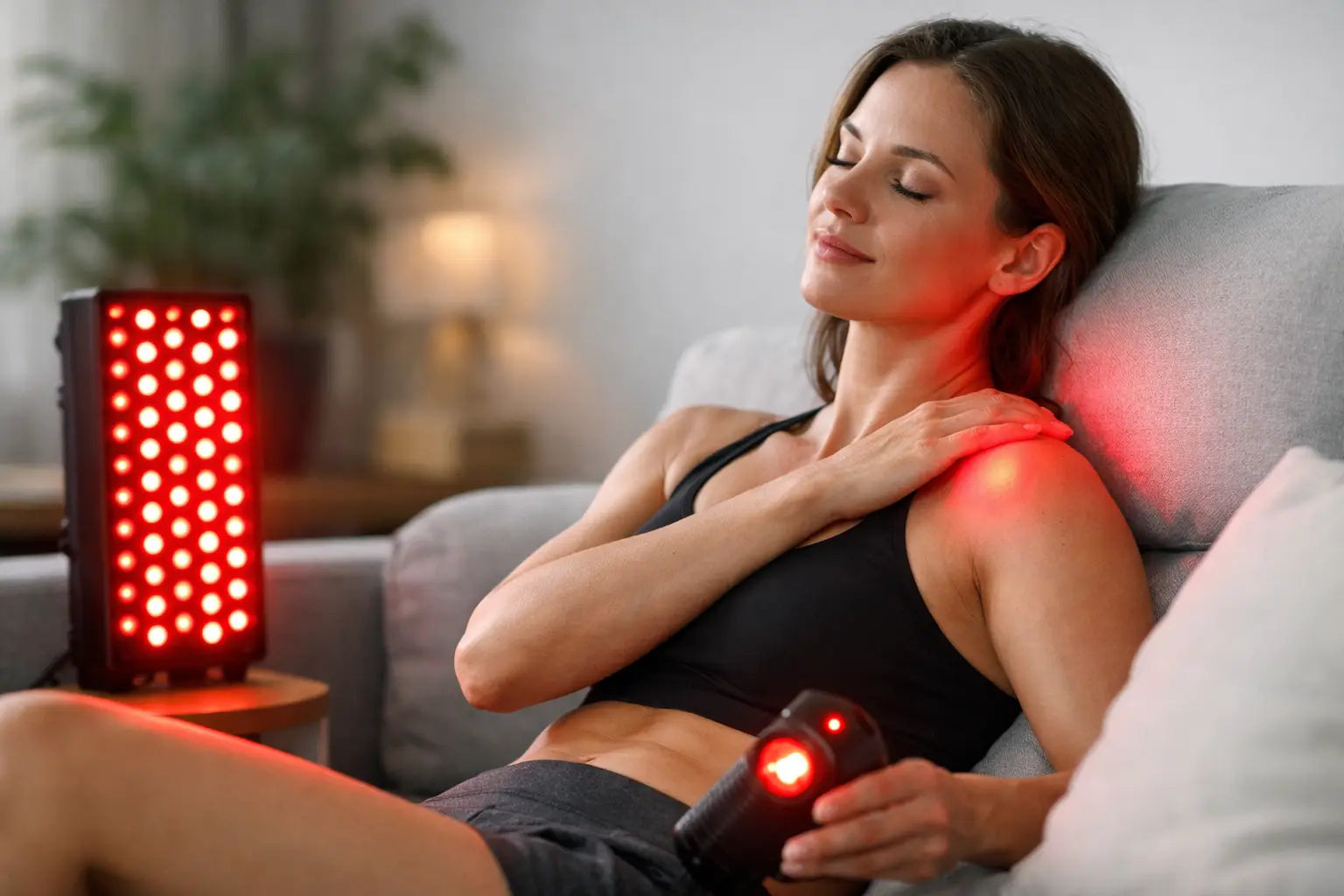
Red Light Therapy for Recovery at Home
A good wellness ritual should feel like relief, not another task on your calendar. That is part of what makes red light therapy so appealing. In a home designed for recovery, it offers something rare - a treatment that feels gentle, calming, and restorative while still being grounded in measurable biological effects.
For people building more intentional routines, red light therapy sits in a useful middle ground. It is not a miracle tool, and it is not simply another wellness trend. Used consistently, it may support skin health, circulation, exercise recovery, and a greater sense of physical ease. The real value is often in how naturally it fits into daily life, whether that means ten quiet minutes before work or a steady evening ritual after training, travel, or long hours at a desk.
What red light therapy actually is
Red light therapy uses specific wavelengths of light, usually in the red and near-infrared range, to interact with the body at a cellular level. Red wavelengths are generally associated with surface-level benefits, especially for skin appearance. Near-infrared wavelengths reach deeper into tissue, which is why they are often used in recovery-focused settings.
The basic theory is straightforward. Light energy is absorbed by the mitochondria, the parts of cells responsible for producing energy. This may help support cellular function and repair processes. In practical terms, that is why people often turn to red light therapy for concerns like post-workout soreness, temporary stiffness, skin rejuvenation, and general recovery support.
That mechanism is promising, but expectations should stay realistic. Results tend to build over time, and the effects vary based on the device, wavelength, treatment distance, session length, and the individual using it.
Why red light therapy has earned a place in home wellness
The strongest case for at-home wellness tools is not novelty. It is consistency. A treatment that works well in a clinic but rarely fits your schedule may be less valuable than one you can use calmly and regularly in your own space.
This is where red light therapy stands out. It asks very little of you. There is no major physical effort, no recovery day required, and no complicated learning curve once the setup is right. For busy professionals, parents, athletes, and anyone creating a more restorative home environment, that ease matters.
A well-designed panel can become part of a larger ritual. You might use it after strength training, before a shower, alongside breathwork, or during a slow evening reset. The treatment itself is quiet and low-friction, which makes it easier to return to. And in wellness, returning to the practice is usually where the real benefit begins.
Potential benefits of red light therapy
The conversation around red light therapy is broad, and some claims go further than the evidence supports. Still, several use cases come up consistently in both research and real-world routines.
Skin support and visible rejuvenation
One of the most widely discussed applications is skin health. Red wavelengths are often used to support collagen production and improve the appearance of tone and texture. Some users notice that skin looks calmer, brighter, or more refreshed with consistent use.
This does not mean red light therapy replaces dermatologic care or every other skin treatment. It is better understood as a supportive practice. For someone looking to elevate a home ritual without adding another harsh active, it can be an appealing option.
Recovery after exercise
Near-infrared light is often used for muscle recovery and temporary relief of soreness. That is why red light therapy has gained traction with fitness-focused users, especially those who train frequently and want more support between sessions.
The appeal here is simple. Recovery tools are most useful when they help you stay steady with your routine. If a device helps reduce the sense of heaviness or tension that follows hard training, it may become one of the easiest rituals to keep.
Circulation and everyday physical ease
Some people use red light therapy to support circulation and reduce temporary stiffness, particularly after long workdays or sedentary periods. While outcomes differ, many users describe a subtle but meaningful shift: less tightness, more warmth, and a greater sense of ease in the body.
That may sound modest, but modest improvements matter when they happen regularly. Wellness at home is often built on small, repeatable actions that make the body feel more supported over time.
What to know before buying a red light therapy panel
Not all devices are equal, and this category can be crowded with products that look similar on the surface. For a higher-consideration purchase, quality matters more than marketing language.
Wavelengths are one of the first details to examine. Many premium panels combine red and near-infrared light so the treatment can address both surface-level and deeper tissue goals. Power output also matters, because underpowered devices may require longer or less effective sessions.
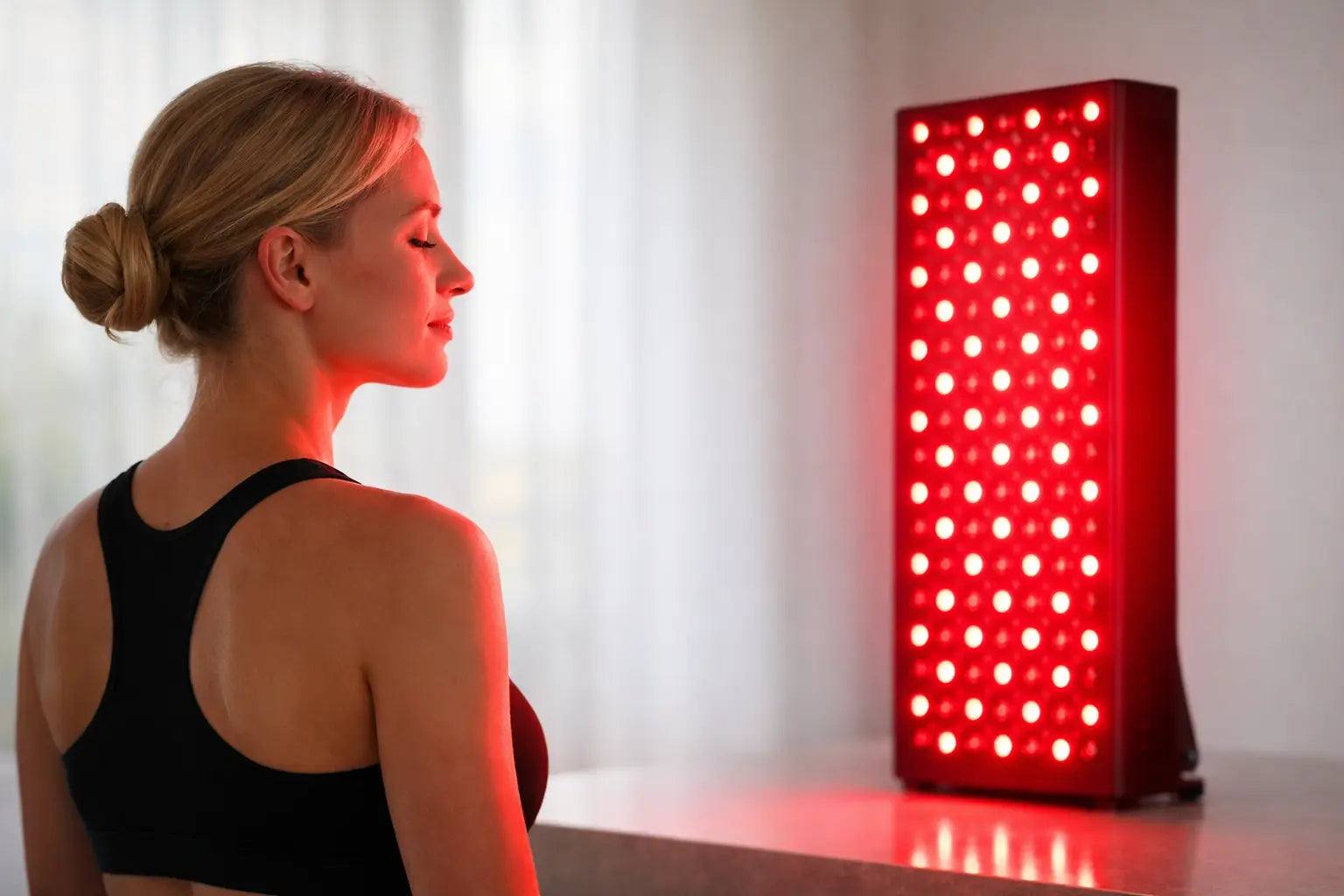
Coverage is another practical factor. A small device may be useful for targeted areas like the face, neck, shoulder, or knee. A larger panel makes more sense if you want to support broader full-body recovery or build a dedicated ritual space. Neither is universally better. It depends on how you plan to use it and whether the panel will live in a visible, frequently used part of your home.
Design should not be dismissed either. If a device feels intrusive, clinical in the wrong way, or inconvenient to position, it is less likely to become part of your routine. The best home wellness equipment balances performance with livability.
This is where curation matters. A thoughtfully selected assortment, like the kind WellNest Home is known for, helps remove some of the noise and makes it easier to choose for outcomes, space, and lifestyle rather than hype alone.
How to use red light therapy at home
The most effective routine is usually the one you can sustain. For many people, that means starting with short, consistent sessions rather than treating the panel like an occasional intensive treatment.
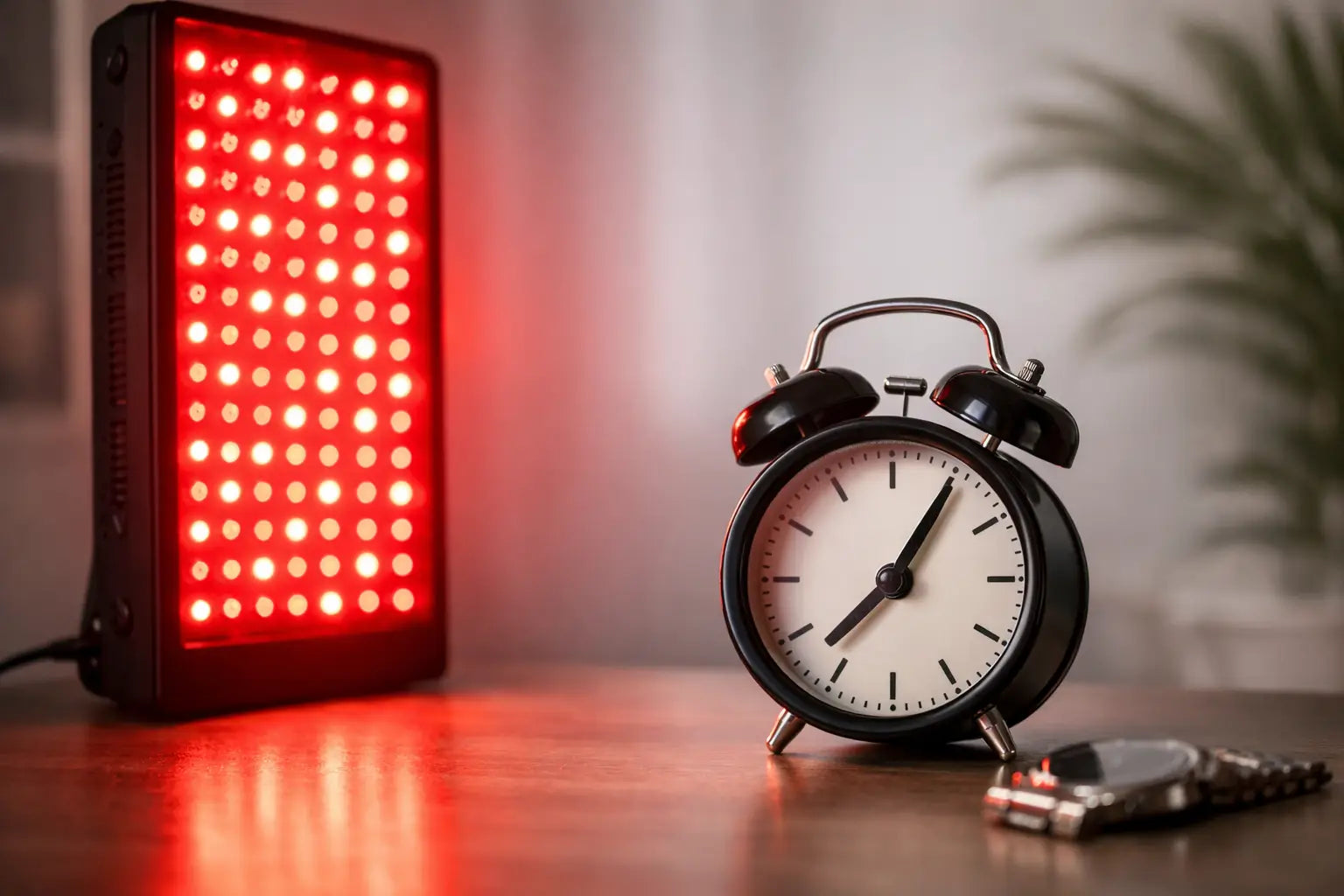
Most at-home users begin by following the manufacturer’s guidance for distance and timing. Sessions are often brief, and consistency matters more than duration. You may use the light several times a week, or even daily, depending on the device and your goals.
Placement shapes the experience. In a bedroom wellness corner, home gym, recovery room, or quiet primary bath, the panel becomes easier to use because it already belongs to the rhythm of the space. That sounds simple, but it is often the difference between a purchase that collects dust and one that genuinely supports your life.
If your focus is skin, you may use red light therapy as part of a calm morning or evening facial ritual. If your focus is recovery, it may fit better after exercise, sauna, stretching, or a shower. There is no perfect universal schedule. The right routine is the one that meets you where you already are.
A few realistic trade-offs
Red light therapy is gentle, but gentle does not mean effortless. It still requires regular use, and results are rarely immediate. If you want dramatic change after one session, this may feel underwhelming.
It is also not a replacement for medical care. If you are dealing with ongoing pain, a significant skin condition, or a health concern that needs diagnosis, light therapy should not be your only strategy. It can be part of a broader plan, but not the entire plan.
There is also the question of cost. Premium panels are an investment. For many households, the value comes from replacing fragmented wellness spending with a tool that supports an ongoing home ritual. But that only makes sense if the device suits your needs, your space, and your willingness to use it consistently.
Is red light therapy worth it?
For the right person, yes. Especially if your goal is to create a home environment that supports recovery in a way that feels calm, elevated, and repeatable. Red light therapy is not compelling because it promises extremes. It is compelling because it can help the body feel cared for in a steady, sustainable way.
That may mean brighter-looking skin, less post-workout soreness, or a more grounded transition out of a demanding day. It may also simply mean making room for ten quiet minutes in your own warmth and light. Sometimes the most valuable wellness tools are the ones that gently invite you back to yourself, again and again.
Leave a comment
This site is protected by hCaptcha and the hCaptcha Privacy Policy and Terms of Service apply.