


Sauna After Workout: Benefits, Timing, and Safety
The last set is finished, your heart rate is settling, and your muscles carry that familiar, satisfying fatigue. This is the moment many people reach for heat. A sauna after a workout can become a grounding recovery ritual: a quiet transition from effort to restoration, without another drive across town or another appointment to keep.
Used thoughtfully, sauna bathing may help you relax tense muscles, support a sense of circulation, and downshift from the intensity of training into a calmer state. It is not a shortcut around sleep, nutrition, or intelligent programming. But for people building an intentional home wellness practice, it can be a valuable complement to them.
What a Sauna After Workout Can Do
The immediate appeal of sauna heat is physical. Warmth can feel deeply soothing when your legs are heavy after a long run, your shoulders are tight after strength training, or your whole body feels braced from a demanding week. As your body warms, blood vessels near the skin dilate and your heart rate rises. That combination can create the loose, eased feeling many people associate with recovery.
There is also a meaningful mental shift. Exercise activates the body. Sauna time, especially when it is quiet and free of screens, gives you a defined place to return to calm. For busy professionals and active households, that boundary can matter as much as the heat itself. You finish your training, enter the sauna, breathe more slowly, and allow the day to soften around you.
Research on sauna bathing is promising in several areas of cardiovascular and general well-being, particularly with regular use. Still, it is wise to separate what heat reliably offers from what it does not. A sauna may help you feel less stiff and more relaxed, but it does not instantly repair muscle tissue, erase soreness, detoxify your body, or replace recovery fundamentals.
Relaxation is a real recovery benefit
Training stress is not only local to the muscles. Hard workouts also place demands on the nervous system. A brief heat session can be a useful cue that the work is over, helping you move from a stimulated state toward rest. That may make it easier to follow your workout with a nourishing meal, a shower, and a more settled evening.
The benefit is often practical rather than dramatic. When recovery feels inviting, you are more likely to make space for it consistently. That consistency supports the kind of long-term wellness routine that lasts beyond a motivated January or a single training block.
When to Use a Sauna After a Workout
There is no universal perfect minute to enter a sauna. Your best timing depends on the type of workout, the temperature of your training environment, your hydration status, and how your body feels that day.
For most people, it makes sense to allow the heart rate to come down first. Spend a few minutes cooling down, walking gently, and taking in fluids before stepping into the heat. If you just completed an intense interval session, a long summer run, or a heated class, extending that transition is especially wise. You have already lost fluid through sweat, and adding more heat too quickly can leave you lightheaded or depleted.
A moderate strength workout or an easy aerobic session may pair well with a short sauna visit once you feel steady. If your goal is relaxation and a pleasant post-training ritual, the exact timing matters less than arriving hydrated and avoiding the urge to push through discomfort.
Heat after strength training versus endurance work
After strength training, sauna use can be a comfortable way to relax muscles and settle into recovery. The key is to keep expectations realistic: heat can support how you feel, but protein intake, sufficient calories, progressive training, and sleep remain the primary drivers of adaptation.
After endurance training, the hydration question becomes more central. A short, carefully managed sauna session may feel restorative after an easy ride or run. Following a long, hot, or particularly sweaty session, however, you may be better served by prioritizing fluids, electrolytes, food, and a cool-down first. Save the sauna for later in the day or for a recovery-focused day when your system is not already taxed.
If you train for performance, be mindful of your broader plan. Regular heat exposure may be used strategically by some endurance athletes, but acclimation is a specific practice, not an accidental byproduct of exhaustion. A coach or qualified clinician can help tailor it to your goals.
How Long Should You Stay?
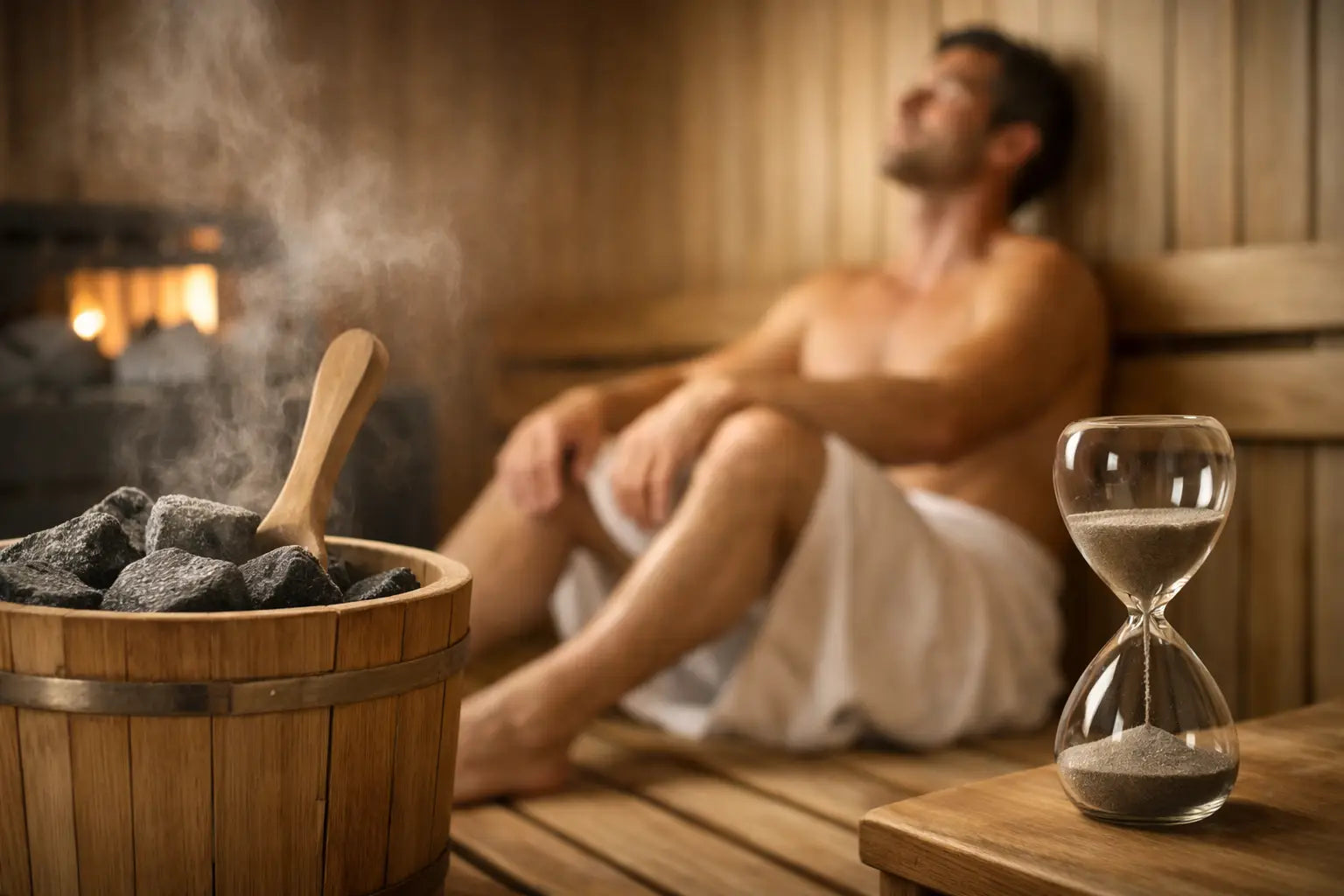
For a post-workout sauna session, restraint is part of the ritual. Start with 5 to 10 minutes, particularly if you are new to sauna bathing, returning after time away, or using a hotter traditional sauna. Many experienced users are comfortable with 10 to 20 minutes, but longer is not automatically better.
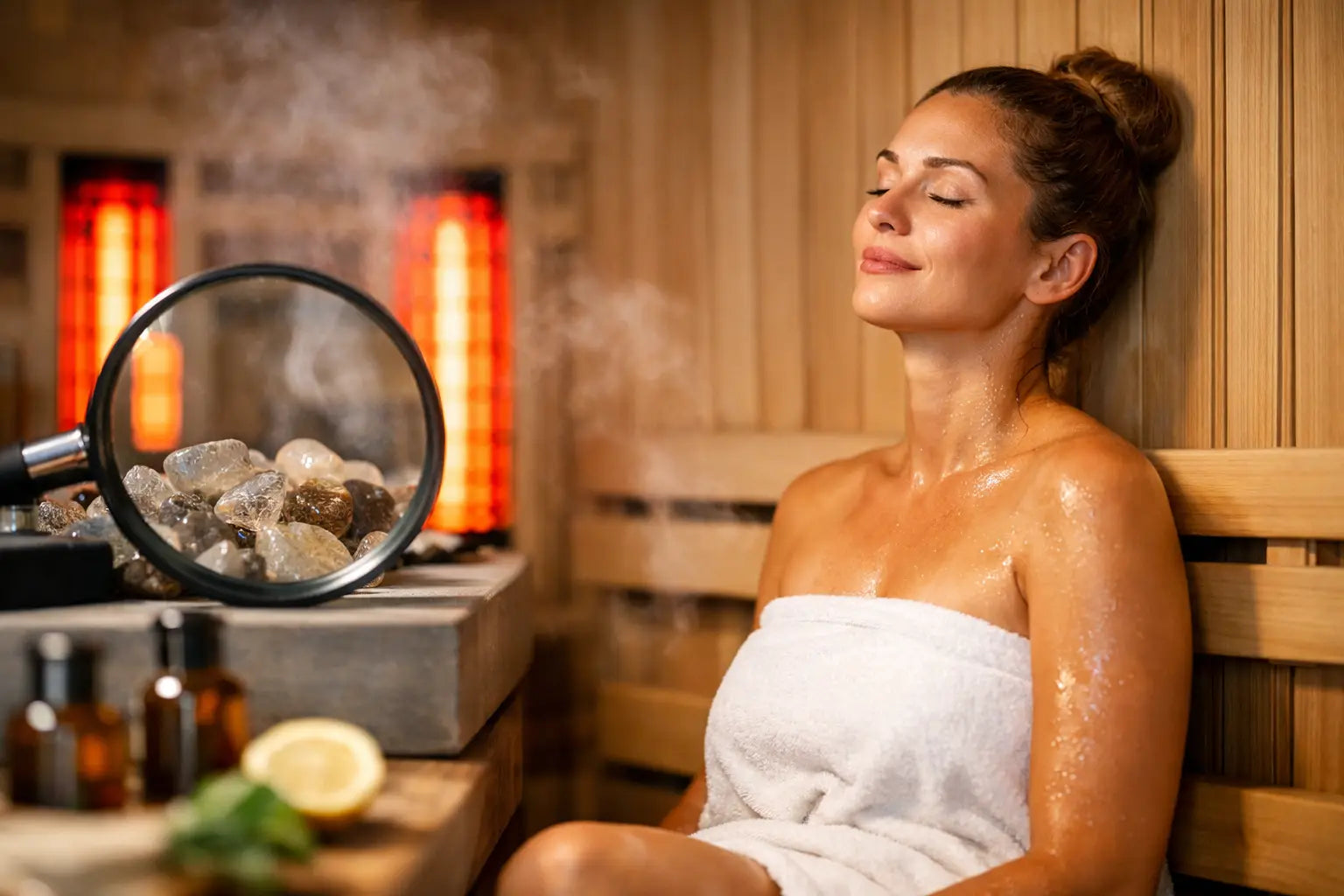
Infrared saunas typically operate at lower air temperatures than traditional saunas and may feel more approachable for a longer, gentler session. Traditional and steam saunas deliver a more intense heat experience, while outdoor or barrel saunas add the restorative pleasure of fresh air and a change of setting. Each format can support a meaningful routine. The right choice is the one you will use safely and consistently in the space you call home.
Leave immediately if you feel dizzy, nauseated, weak, unusually short of breath, headachy, or unwell. Step into a cooler environment, sit down, and hydrate. A sauna should feel like a return to warmth, not a test of endurance.
Hydration Is the Non-Negotiable
Exercise plus sauna heat can produce significant sweat loss. Begin your session reasonably hydrated, drink water after training, and continue to replenish afterward. If your workout was long, intense, or exceptionally sweaty, an electrolyte drink may be appropriate as well.
Avoid treating sweat as a measurement of detoxification or calorie burn. Sweating is primarily your body’s cooling mechanism, and the weight lost during a sauna session is largely fluid weight that needs replacing. Trying to sweat more by restricting water, wearing extra layers, or extending your sauna time works against the restorative purpose of the practice.
Alcohol and sauna use are a poor pairing, especially after a workout. Alcohol can impair judgment and worsen dehydration, making overheating and faintness more likely. Save the celebratory drink for another occasion, and let your post-workout ritual support your body rather than ask more from it.
A Simple Home Recovery Ritual
At home, the best sauna routine is often the one with the fewest decisions. Finish your workout with a gentle cool-down, drink some water, and take a few minutes to let your breathing normalize. Enter the sauna with a towel, a water bottle nearby, and no expectation to stay beyond what feels comfortable.
Use the time well. Sit quietly. Try slow nasal breathing. Notice which areas of your body are still holding tension. You might add a calming shower afterward, a protein-rich meal, and an earlier bedtime. The sauna is not the entire recovery plan, but it can become the room that makes the plan feel more attainable.
For some households, the ritual is solitary. For others, it is a shared evening pause after work, a walk, or a weekend workout. A thoughtfully chosen sauna creates more than heat. It gives wellness a physical place in the home, ready when you need to step away from the pace of the day.
Who Should Be More Cautious?
Sauna bathing is not right for every person or every day. Speak with your healthcare professional before using a sauna if you are pregnant, have cardiovascular disease, uncontrolled blood pressure, kidney disease, a history of fainting, or a condition that affects sweating or temperature regulation. The same caution applies if you take medications that influence blood pressure, fluid balance, heart rate, or heat tolerance.
Skip the sauna when you are ill, feverish, dehydrated, hungover, severely fatigued, or recovering from an injury that has not been evaluated. If you experience chest pain, fainting, confusion, or persistent symptoms, seek medical care rather than attempting to manage it with rest and hydration alone.
A sauna after a workout is most valuable when it respects the signals your body gives you. Let heat be the gentle closing chapter of training: a place to restore your attention, release the urge to rush, and leave your wellness space feeling more settled than when you entered.
Leave a comment
This site is protected by hCaptcha and the hCaptcha Privacy Policy and Terms of Service apply.