

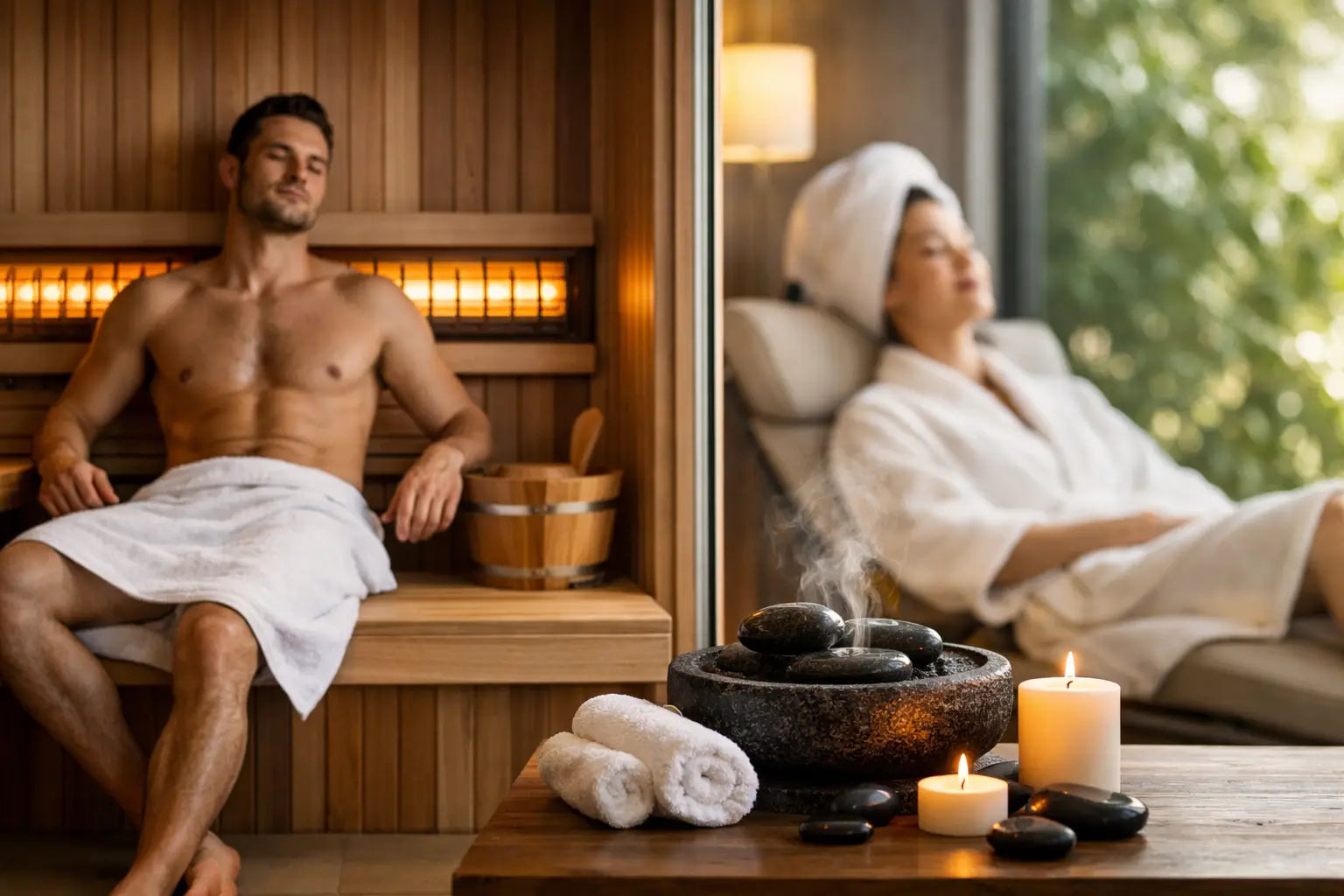
Home Sauna Trends Shaping Better Recovery
A few years ago, a home sauna often meant carving out extra square footage for a single-purpose luxury. Now, the most compelling home sauna trends are less about excess and more about integration - how warmth, recovery, and design fit into real daily life.
That shift matters for anyone building a home wellness space with intention. The right sauna is no longer just a statement piece. It can become part of a repeatable ritual for stress relief, post-workout recovery, circulation support, and a calmer transition between the demands of the day and the quiet your body has been asking for.
The new direction of home sauna trends
The strongest trend is simple: people want wellness equipment that feels as considered as the rest of the home. Buyers are moving away from bulky, clinical-looking units and toward saunas that complement primary bathrooms, home gyms, outdoor retreats, and dedicated recovery rooms.
This is partly aesthetic, but it is also practical. A sauna that feels inviting gets used more often. When the space is beautiful, easy to access, and aligned with your routine, consistency becomes far more realistic. And with sauna use, consistency is where many of the felt benefits begin to add up.
At the same time, customers are becoming more educated. They are asking better questions about heating style, material quality, EMF considerations, ventilation, and how a sauna supports a wider wellness practice. That has raised the standard. Trend-driven choices still matter, but they now sit alongside performance, safety, and long-term satisfaction.
Design-led saunas are replacing purely utilitarian builds
One of the clearest home sauna trends is the rise of elevated, furniture-like design. Clean lines, natural wood tones, tempered glass, soft interior lighting, and compact footprints are making saunas feel less like equipment and more like architecture.
For many homeowners, this changes the buying decision. A sauna no longer has to be hidden in a basement corner. It can live beside a cold plunge in a polished recovery suite, anchor a serene primary bath, or create a warm focal point on a covered patio.
There is a trade-off, of course. Sleeker design often comes with a higher price point, and some minimal profiles reduce interior spaciousness. For buyers who prioritize roominess or commercial-style durability above all else, the most design-forward model may not always be the best fit. Still, the move toward visual refinement reflects something deeper: wellness spaces are becoming part of the home’s identity, not an afterthought.
Infrared continues to lead, but not for everyone
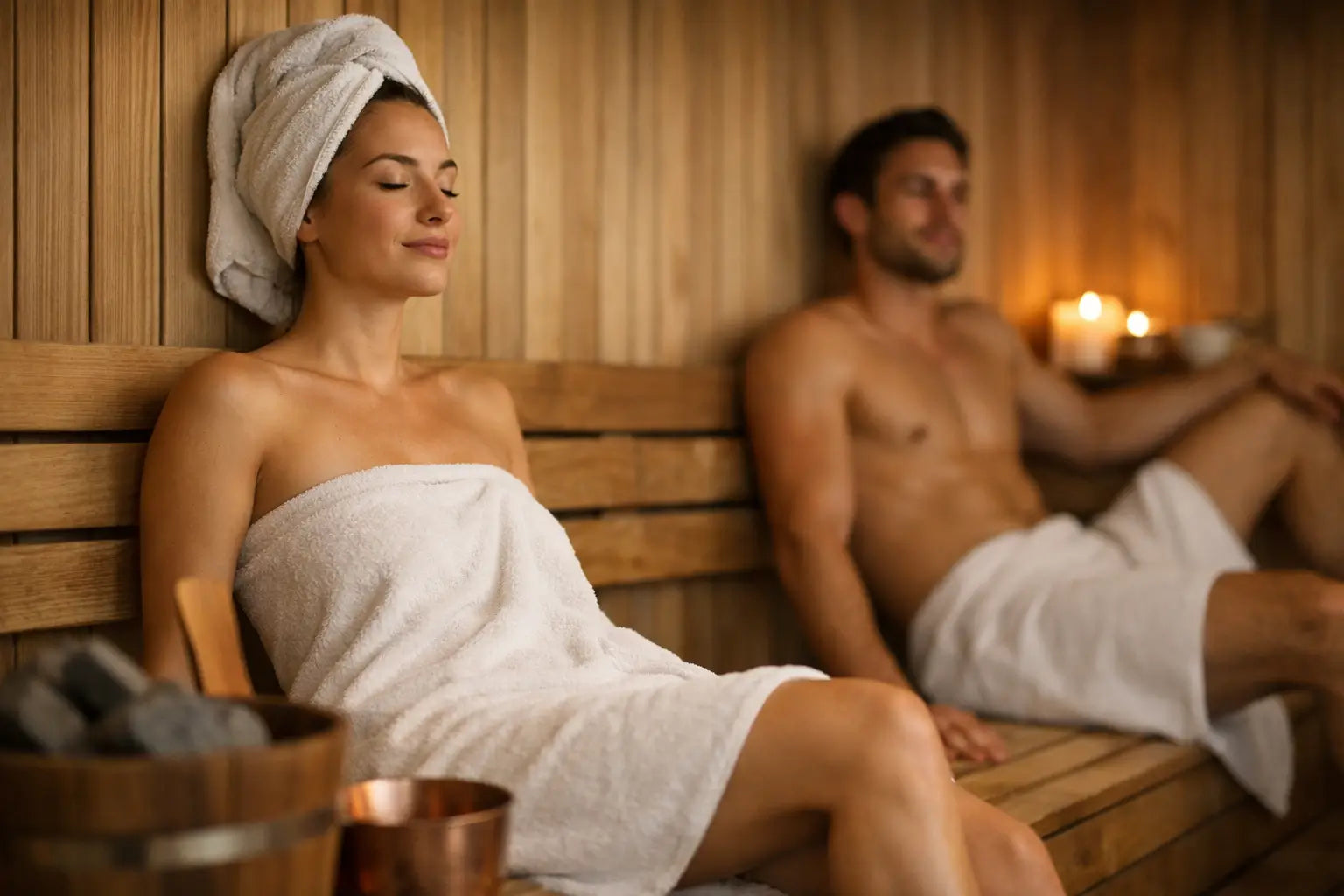
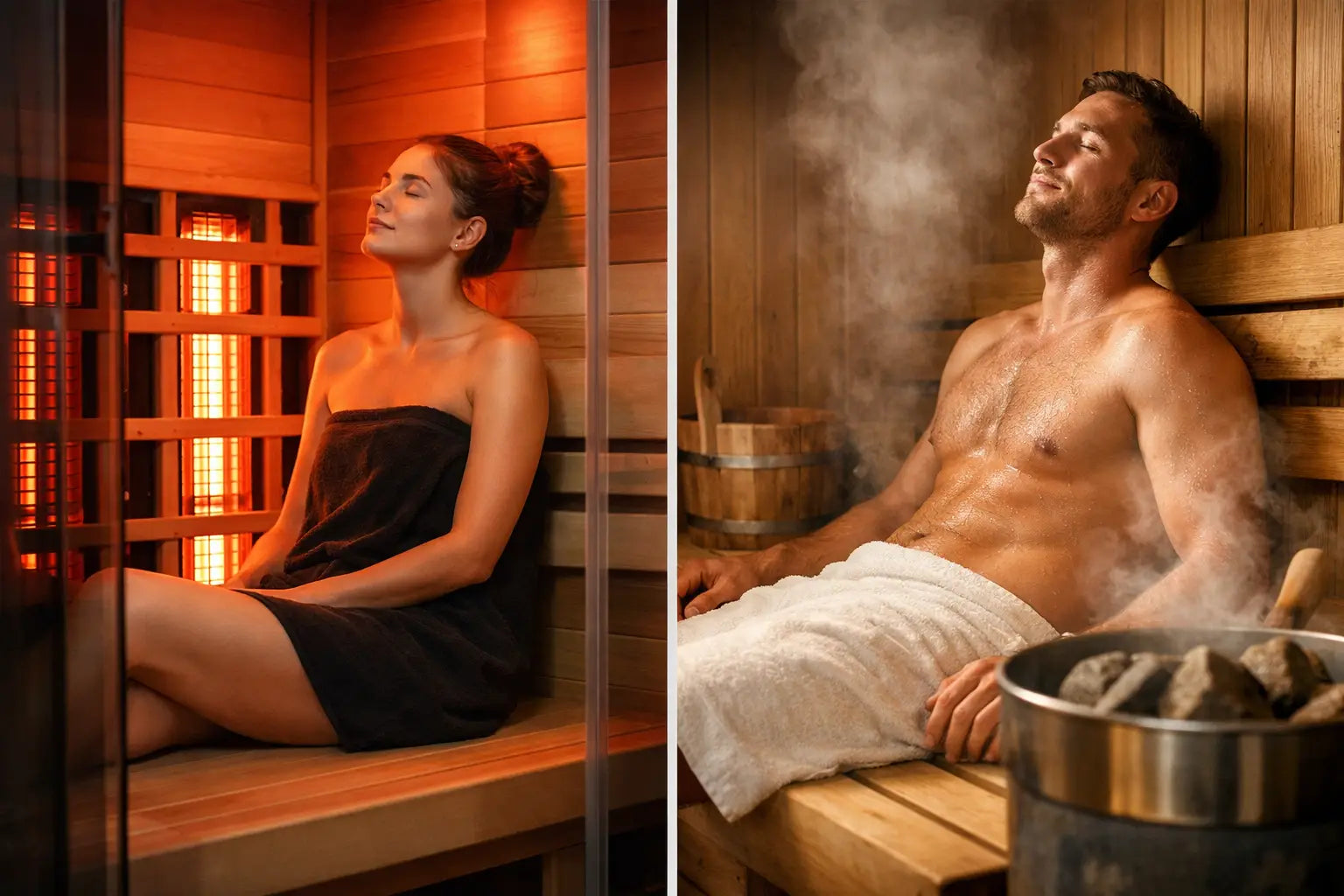
Infrared saunas remain one of the most requested categories, and it is easy to see why. They tend to be easier to install, more approachable for first-time buyers, and well suited to regular use. Many people also appreciate the gentler, more enveloping heat profile compared with the intense ambient heat of a traditional sauna.
This has helped infrared stay at the center of home wellness conversations, especially for busy professionals and fitness-focused households looking for convenient recovery. Sessions can feel more accessible when the environment is comfortable enough to encourage longer, more frequent use.
Still, infrared is not the automatic answer for every buyer. Some people strongly prefer the ritual and sensory experience of a traditional sauna - the deeper room heat, the familiar dry-air feel, and the old-world atmosphere. Others want steam for a different kind of thermal experience altogether. The best trend to follow here is not popularity. It is alignment with how you want to feel and how you plan to use the sauna week after week.
Outdoor saunas are becoming part of backyard wellness design
Another major shift is the growth of outdoor sauna installations. Instead of treating the sauna as an indoor compromise, more homeowners are designing full outdoor wellness environments around it. Barrel saunas, cabin-style models, and architecturally refined outdoor units are helping transform backyards into restorative retreats.
This trend reflects a broader change in how people use their homes. Outdoor space is being asked to do more - entertain, restore, energize, and offer privacy. A sauna fits naturally into that evolution, especially when paired with fresh air, a cold rinse, a plunge tub, or a quiet seating area.
Outdoor placement does bring more variables. Climate, electrical access, drainage, and weather exposure all matter. Some buyers fall in love with the look of an outdoor sauna before thinking through site prep and seasonal use. That does not mean outdoor is the wrong choice. It means the most successful projects balance visual appeal with practical planning from the start.
Smart features are growing, but restraint still matters
Technology is quietly reshaping the category. App-based controls, delayed start functions, integrated sound systems, chromotherapy lighting, and digital control panels are increasingly common. For many households, these upgrades make the sauna easier to use and easier to fold into a structured routine.
Convenience has real value. If you can preheat your sauna before the end of a workout or set a reliable evening ritual without extra effort, usage often improves. And in a high-consideration purchase, convenience can be the difference between a product that becomes essential and one that becomes aspirational clutter.
But more features are not always better. A sauna meant to reduce sensory overload can lose some of its appeal if every session starts to feel like managing another device. The most thoughtful buyers tend to choose technology that supports the ritual rather than dominates it. A clean interface and dependable performance usually matter more than novelty.
Home sauna trends now center on ritual, not just heat
Perhaps the most meaningful change is that people are no longer shopping for a sauna in isolation. They are building rituals. Heat is being paired with cold exposure, breathwork, stretching, hydration practices, red light therapy, and quiet recovery time. The sauna becomes one part of a more intentional ecosystem.
This mindset changes what buyers care about. They start thinking about placement near a shower or plunge, how lighting affects the mood of the room, whether benches allow for comfortable stretching, and how the space supports a transition from exertion to recovery.
That ritual-based approach also helps explain why premium curation matters more than ever. When a customer is not just buying a box that gets hot, but shaping a daily rhythm of restoration, guidance becomes valuable. WellNest Home speaks to this shift especially well, because the conversation is not only about product specs. It is about creating a sanctuary with purpose.
Smaller footprints are gaining traction
Not every wellness-minded homeowner wants a large custom installation. One of the more practical home sauna trends is the demand for compact models that fit condos, smaller homes, and multipurpose spaces without sacrificing comfort.
This reflects real life. Many people want the benefits of regular sauna use, but they do not have a sprawling basement or a detached wellness studio. Manufacturers have responded with smarter dimensions, corner-friendly layouts, and two-person models that feel efficient rather than cramped.
Smaller saunas do require honest expectations. If multiple family members plan to use the sauna together often, or if you want a more spacious lounging posture, sizing up may be worth the added investment. But for solo use or couples, a compact footprint can make ownership much more attainable without compromising the core experience.
Material quality and wellness credibility are under more scrutiny
As the category grows, buyers are paying closer attention to what a sauna is made from and how it is built. Low-VOC materials, durable woods, reliable heating elements, and transparent safety details have become more than niche concerns. They are increasingly part of the mainstream decision process.
That is a healthy trend. A home sauna is an intimate environment. You are spending repeated time in enclosed heat, often to support recovery and well-being. It makes sense to care about craftsmanship, emissions, longevity, and the credibility behind the product selection.
This is also where price comparisons can get misleading. On the surface, two saunas may look similar. In practice, differences in materials, warranty support, electrical requirements, and heating consistency can shape the ownership experience in a big way. Value in this category is not just about the ticket price. It is about confidence over time.
What these trends mean for buyers right now
The best home sauna trends are not asking you to chase what is fashionable. They are inviting a more discerning question: what kind of warmth belongs in your life?
For some, that means an infrared model near the home gym for reliable weekly recovery. For others, it means a traditional outdoor sauna that turns the backyard into a place to return to at dusk. For many, it means choosing a sauna that looks beautiful enough to draw you in and performs well enough to earn a lasting place in your routine.
The wisest purchase is usually the one that balances four things - the thermal experience you genuinely enjoy, the space you actually have, the visual language of your home, and the level of support you want before and after buying. When those pieces align, a sauna stops feeling like a trend and starts feeling like a practice.
If you are planning your own wellness space, let the trend cycle be a source of perspective, not pressure. The most restorative home environments are rarely built around what is newest. They are built around what helps you return to warmth, more often and with less friction.
Leave a comment
This site is protected by hCaptcha and the hCaptcha Privacy Policy and Terms of Service apply.