

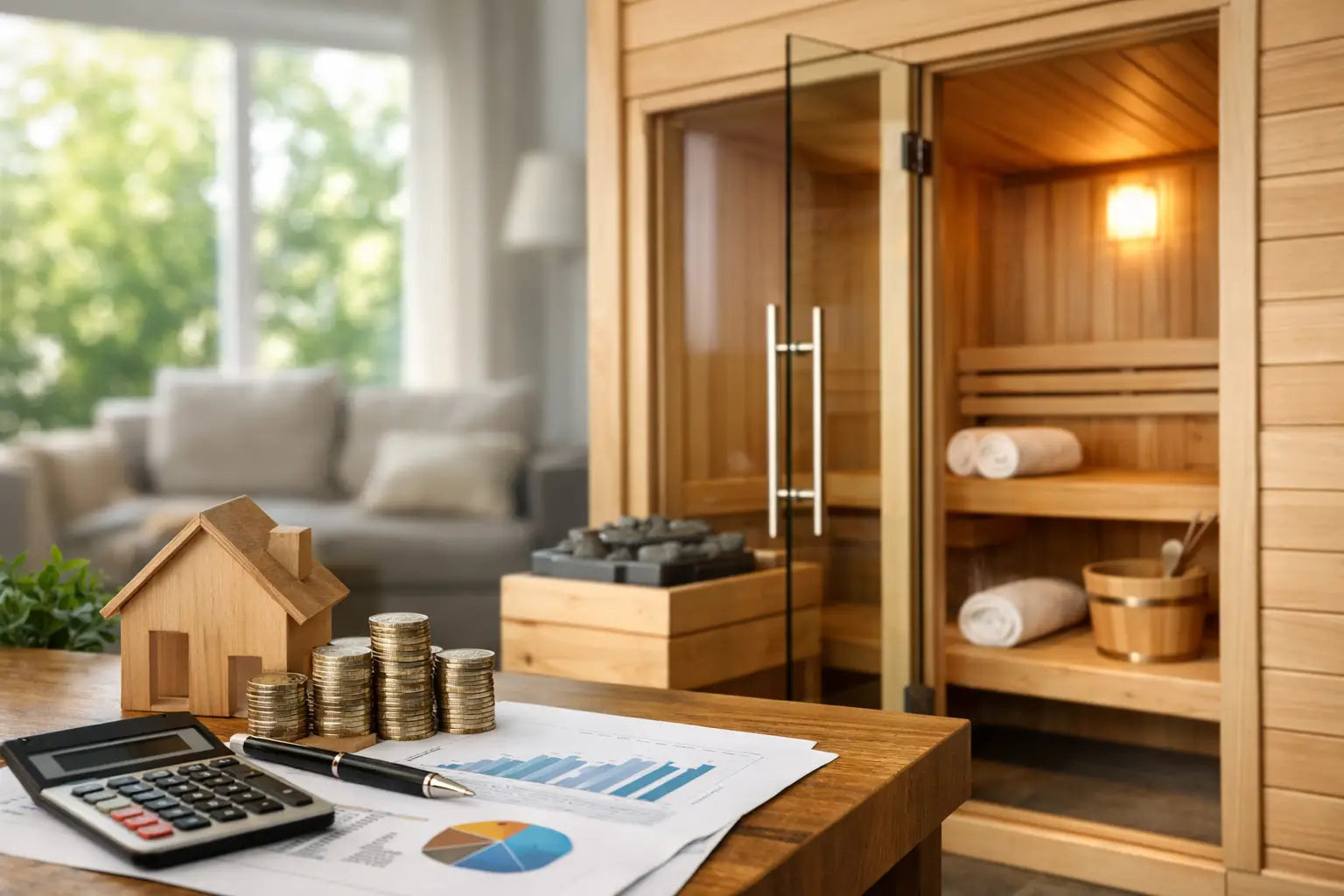
Sauna Financing Options for a Restorative Home
A home sauna is rarely an impulse purchase. It is a decision to create a dependable place to return to warmth after training, long workdays, restless nights, or simply too much time spent in motion. The right sauna financing options can make that decision feel more measured: a way to preserve cash flow while building a ritual that supports recovery, calm, and consistency.
Financing deserves the same thoughtful attention as sauna size, heat type, electrical requirements, and placement. A lower monthly payment may be appealing, but the best choice depends on the total cost of borrowing, the length of the term, and how confidently that payment fits into your life well beyond the first few months.
Start With the Full Investment, Not Just the Sauna Price
Before comparing payment plans, define the true cost of bringing a sauna home. The product itself is the central investment, but installation can shape the budget just as much. Indoor infrared models may have relatively simple setup needs, while traditional electric, steam, barrel, and outdoor saunas can require electrical work, a suitable foundation, ventilation considerations, or professional assembly.
Ask for clarity on what is included in the purchase and what remains your responsibility. Shipping, delivery access, installation, electrician fees, permits, protective flooring, and outdoor site preparation can all affect the final number. Building these costs into your budget from the outset helps you avoid financing a sauna only to delay the moment it becomes part of your routine.
It also helps to consider the ownership horizon. If you expect to use your sauna several times a week for years, a carefully structured payment plan may feel proportionate to the value it brings to your home. If your space, job, or living situation may change soon, a shorter term or a lower overall commitment may offer more flexibility.
Common Sauna Financing Options to Compare
Financing products differ widely by retailer, lender, and applicant. Availability, annual percentage rate (APR), approval standards, and terms can change, so review the current disclosures before agreeing to anything. These are the most common structures you may encounter.
Retailer-Sponsored Installment Plans
Many premium wellness retailers offer financing through a third-party lending partner at checkout. These plans generally divide the purchase into fixed monthly payments over a set term. Depending on the offer and your credit profile, you may see promotional APR periods, deferred-interest promotions, or standard interest-bearing installment loans.
The advantage is straightforwardness. You can see a monthly payment estimate while selecting your sauna, and the purchase and financing process are handled in one place. For a high-consideration purchase, that convenience can make planning easier.
Read the terms with care. A true 0% APR offer means no interest accrues during the stated term if payments are made as required. Deferred interest is different: interest may accrue from the purchase date and become payable if the balance is not paid in full by the promotional deadline. Missing a payment can also affect promotional eligibility, depending on the agreement.
At WellNest Home, thoughtful guidance matters as much as the equipment itself. If a plan is available for the sauna you are considering, use the payment estimate as one part of the conversation, alongside installation needs and the daily ritual you want to create.
Personal Loans
A personal loan from a bank, credit union, or online lender can offer another way to finance a sauna and related home improvements. You receive funds upfront and repay the loan in fixed installments, often over two to seven years.
This option can be useful when your project extends beyond the sauna purchase. For example, you may be combining an outdoor sauna with a patio refresh, dedicated electrical work, privacy screening, or a cold-plunge area. One loan may simplify the project budget rather than separating each expense across multiple payment methods.
The trade-off is that rates can vary significantly. Excellent-credit borrowers may qualify for competitive fixed rates, while others may face a higher APR than retailer financing. Compare the total repayment amount, any origination fee, prepayment policy, and monthly obligation - not only the advertised starting rate.
Credit Cards
Using a credit card can make sense in a narrow set of circumstances: you have a 0% introductory APR that lasts long enough to pay the balance in full, or you have the cash available and plan to pay the statement immediately. It may also offer purchase protections or rewards, depending on the card.
For most large sauna purchases, carrying a balance on a standard credit card is the costliest route. Variable APRs can be high, and a manageable purchase can become expensive when repayment stretches over many months. If you choose this path, calculate the payoff schedule before you buy, rather than relying on the minimum payment shown on a statement.
Home Equity Financing
Homeowners with substantial equity sometimes consider a home equity loan or home equity line of credit for a larger wellness-space renovation. These options may offer lower rates than unsecured borrowing, especially when bundled with other qualifying home projects.
They also place your home at risk if you cannot meet the repayment terms, and the application process may take longer than point-of-sale financing. Closing costs, variable-rate risk for lines of credit, and the scale of the project all deserve careful consideration. Financing a single sauna through home equity may be more complexity than necessary; financing a major outdoor transformation may be a different conversation.
How to Judge a Monthly Payment Honestly
A monthly payment should leave room for the rest of your life. Before accepting an offer, look at the payment against your existing fixed obligations, savings goals, seasonal expenses, and the estimated cost of preparing the space. A payment that feels comfortable on a quiet month should still be manageable when travel, home repairs, or family needs arise.
Rather than asking only, “Can I afford this payment?” ask, “Will this payment still feel aligned with how I want to use my resources?” A sauna should reduce friction around your recovery routine, not introduce a new source of pressure.
A useful approach is to compare at least two terms side by side. A longer term usually lowers the monthly payment but may increase the total interest paid. A shorter term can preserve more long-term value if the payment remains comfortably within your budget. If the plan has no prepayment penalty, you may choose a manageable term and make additional payments when it suits you, but confirm that extra payments reduce principal as expected.
Questions to Ask Before You Apply
The clearest financing decisions are made before the application is submitted. Keep these questions nearby as you compare offers:
- What is the APR after any promotional period ends?
- Is the offer 0% APR or deferred interest?
- What is the total amount I will repay if I make only scheduled payments?
- Are there origination fees, late fees, or prepayment penalties?
- Does the monthly payment include installation and site-preparation costs?
- What happens if I return or cancel the sauna order?
Choose Financing That Protects the Ritual
The best sauna financing choice is not necessarily the longest term, the lowest advertised payment, or the fastest approval. It is the one that allows you to bring a meaningful recovery practice home without compromising financial steadiness.
Once the numbers are clear, let the experience lead. Picture the end of a demanding day: the room warming, your phone set aside, the familiar pause before you step inside. A well-planned investment gives that ritual room to become what it should be - a lasting part of how you care for yourself at home.


Leave a comment
This site is protected by hCaptcha and the hCaptcha Privacy Policy and Terms of Service apply.