

Article: Traditional Sauna Buying Guide for Your Home
Traditional Sauna Buying Guide for Your Home
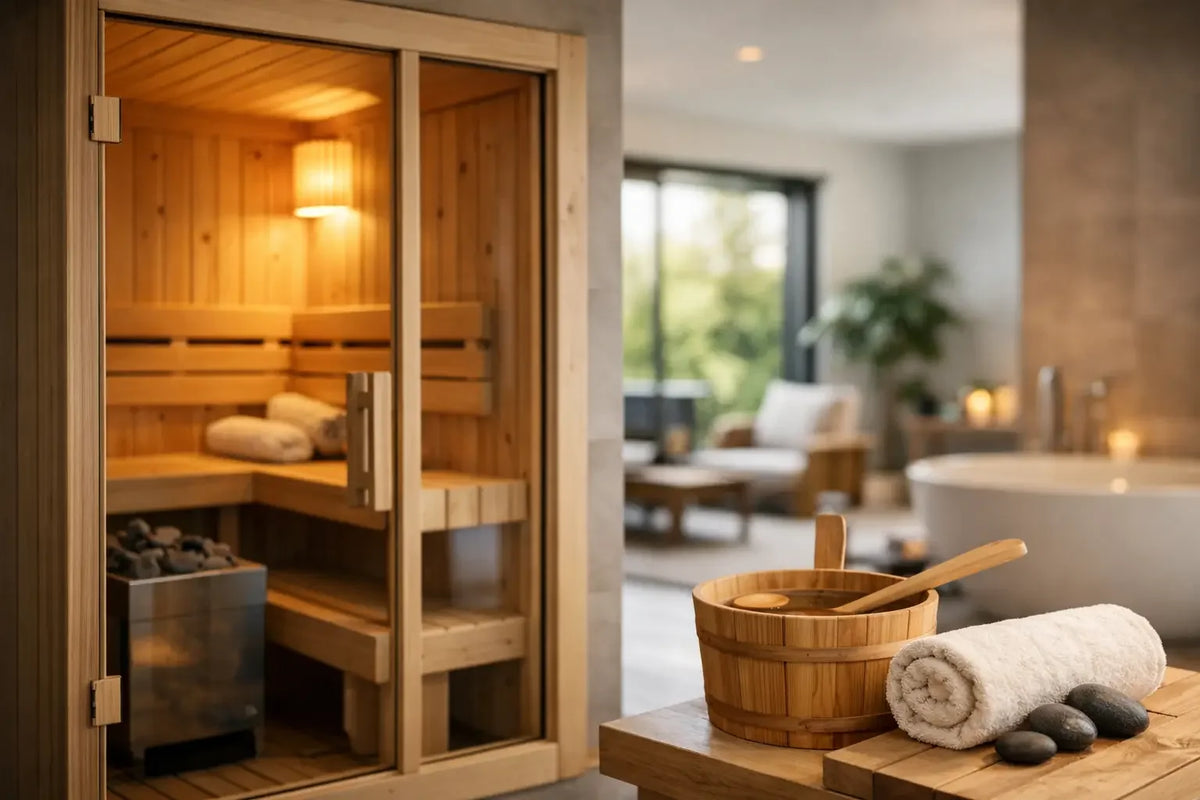
A traditional sauna changes the feeling of a home long before the heater warms up. It becomes a quiet room reserved for release after a demanding workday, deeper recovery after training, or a slower evening ritual with someone you love. This traditional sauna buying guide is designed to help you choose that room with care - not simply select a large wooden box with a high temperature setting.
Traditional saunas use a heater to warm the air and stones, creating the dry, enveloping heat many people associate with classic Finnish bathing. Water ladled over the stones produces a brief rise in humidity and an immediate, grounding wave of steam. That ability to shape the experience is part of their appeal. The best choice depends on your space, household, installation readiness, and the kind of ritual you hope to return to consistently.
Begin With the Ritual You Want to Create
Before comparing wood species or heater output, picture an ordinary Tuesday. Will you step into the sauna alone for 20 quiet minutes after a run? Will it be a shared recovery space for two? Do you want a dedicated outdoor sanctuary that makes you walk away from the noise of the house, or an indoor sauna close to a shower and your daily routine?
A sauna that is slightly smaller but easy to use often becomes more valuable than a larger model that requires effort every time. For solo use or couples, a two-person sauna may feel intimate and efficient. For families, frequent entertaining, or anyone who wants room to stretch out, a three- to six-person layout offers more comfort. Keep in mind that stated capacity can describe how many bodies technically fit, not how relaxed they will feel. Bench depth, ceiling height, back support, and legroom matter as much as the seat count.
Traditional heat also suits people who enjoy a hotter ambient environment than most infrared saunas provide. Yet hotter is not automatically better. A well-designed sauna should allow you to settle into the heat, breathe comfortably, and leave feeling restored rather than depleted.
Choose Indoor or Outdoor With Real-Life Logistics in Mind
Indoor traditional saunas offer convenience and privacy. A finished basement, large bathroom, home gym, spare room, or wellness suite can be an excellent setting, especially when a shower is nearby. Indoor installation usually asks for a dry, level floor, appropriate electrical service, ventilation planning, and enough clearance around the unit. Prefabricated cabins are often the more straightforward route for homeowners who want a polished sauna without a full custom build.
Outdoor saunas create a different kind of experience. The short walk outside becomes a transition - from screens and schedules to crisp air and warmth. Barrel saunas are beloved for their sculptural profile and efficient circulation, while cabin-style outdoor saunas can offer more interior space, changing areas, and a more architectural presence.
The trade-off is site preparation. An outdoor sauna needs a stable, level base such as a concrete pad, pavers, or a properly engineered deck. It also needs a thoughtful path from house to sauna, weather protection where appropriate, and local code awareness. In colder regions, consider whether you will be happy making that walk in winter. Many people are. For others, an indoor installation supports a more frequent habit.
Size the Sauna and Heater Together
Heater sizing is not a detail to leave until the end. It affects warm-up time, temperature stability, operating experience, and electrical requirements. Heater output is generally matched to the sauna's interior volume, but glass doors, windows, exterior-facing walls, and less-insulated construction can increase the effective heating demand.
A unit that is too small may struggle to reach or hold your preferred temperature, particularly in a larger outdoor cabin during cold weather. An oversized heater can be equally unhelpful if it is poorly matched to the room, creating harsh heat or requiring less natural cycling. Follow the manufacturer’s room-volume guidance and treat it as a starting point, not a substitute for a full installation review.
For most residential electric traditional saunas, a dedicated 240-volt circuit is common. Electrical work should be performed by a qualified licensed electrician who can assess your panel capacity, local requirements, wire sizing, and heater specifications. This is one of the most practical reasons to involve an expert before ordering rather than after delivery.
Electric or Wood-Burning Heat?
Electric heaters are the natural choice for many home installations. They are clean, consistent, easy to control, and particularly convenient for indoor use. Depending on the model, you may have integrated controls, external wall controls, or options that support planned start times. For busy homeowners, that predictability can make the sauna ritual easier to protect.
Wood-burning heaters offer a more elemental experience: the scent of firewood, the visible flame, and a distinctly rustic rhythm. They are especially compelling in remote outdoor settings or for homeowners seeking a classic off-grid sensibility. They also demand more planning. You will need proper chimney design, clearances, fire-safe materials, fuel storage, ventilation, and compliance with local codes. Choose wood-burning heat because you genuinely want the tending ritual, not because it appears more authentic in a photograph.
Look Beyond Beautiful Wood
The wood inside a sauna does more than set the visual tone. It should remain comfortable to touch in high heat, resist warping, and hold up to repeated temperature and humidity changes. Cedar is a familiar premium choice, valued for its warm color, aroma, and natural resistance to moisture. Hemlock provides a clean, refined appearance with a lighter scent, which some households prefer. Aspen is another excellent sauna material, often appreciated for its smooth, low-resin surface.
Ask how the interior is finished. Sauna interiors should not be coated with conventional stains, paints, or sealants that may release unpleasant odors when heated. Also inspect the practical details: smooth bench edges, sturdy supports, headroom at the upper bench, an insulated door, and a well-fitted vapor barrier where the construction requires one.
Glass doors and windows can make a sauna feel more open, connecting an outdoor cabin to the landscape or preventing an indoor space from feeling enclosed. They also affect heat loss and privacy. A carefully placed glass panel can be worth the trade-off. A wall of glass in a compact sauna may not be.
Plan for Ventilation, Moisture, and Maintenance
A traditional sauna is hot, but it should never feel stagnant. Proper ventilation supports comfort, helps protect the structure, and allows the room to dry after use. The exact vent placement depends on the sauna design and heater configuration, so follow the manufacturer’s instructions rather than improvising. For indoor installations, discuss moisture management with your installer, particularly if the sauna sits near finished walls, flooring, or a bathroom.
Maintenance is refreshingly simple when the sauna is properly built. Use towels on benches, wipe surfaces as needed, and allow the room to air out after each session. Periodically vacuum or sweep the floor and inspect the heater stones. Stones can crack and settle over time, so they may need rearranging or replacement according to the heater guidance.
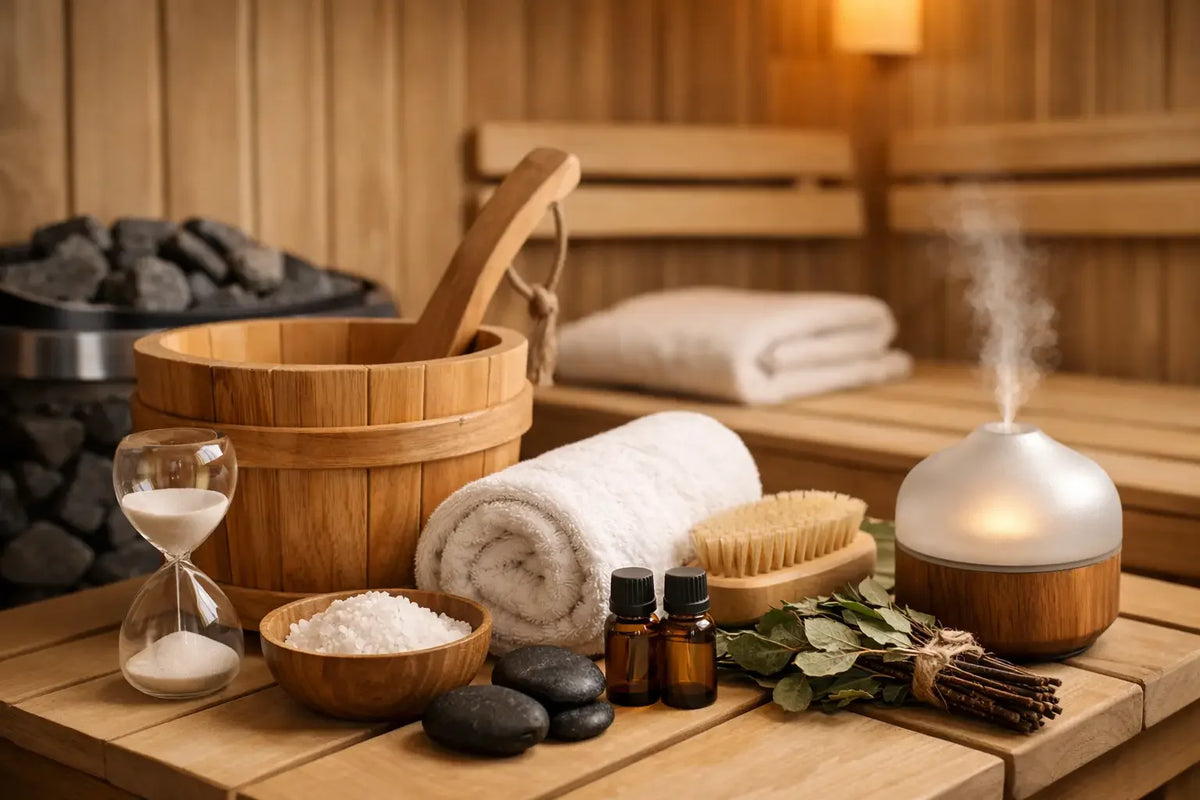
Avoid turning the sauna into a storage room. Oils, cleaning products, textiles, and electronics do not belong in a high-heat environment unless they are specifically made for it. A few well-chosen accessories - a wooden bucket and ladle, thermometer, soft lighting, fresh towels, and a place to cool down nearby - will serve the ritual better.
Budget for the Full Installation, Not Just the Cabin
The purchase price is only one part of the investment. Your complete budget may include electrical upgrades, professional assembly, a base or foundation, ventilation work, permits, delivery access, and exterior finishing. Custom indoor builds can also involve insulation, tile, carpentry, and plumbing if you are adding a shower to create a complete recovery space.
It is tempting to compare sauna prices without comparing what is included. Look closely at heater quality, control system, insulation, wood grade, warranty terms, delivery process, and the support available when questions arise. A lower initial price can become less appealing if installation is unclear or replacement parts are difficult to source.
For a high-consideration purchase, a consultation can be useful before you commit. WellNest Home approaches sauna selection as part of a larger home wellness ritual, helping customers consider both the product and the conditions that will make it a lasting part of their routine.
Use Heat Thoughtfully
Traditional sauna bathing is often wonderfully restorative, but it is still a meaningful heat stressor. Hydrate before and after, start with shorter sessions, and leave the sauna if you feel dizzy, nauseated, faint, or unwell. Alcohol and sauna use are not a wise pairing. People who are pregnant, have cardiovascular concerns, use medications that affect heat tolerance, or have other medical conditions should speak with a qualified clinician before beginning a sauna practice.
The right sauna is not necessarily the largest, hottest, or most elaborate one. It is the one that fits your home safely, invites you in often, and gives you a reliable place to return to warmth when your body and mind need a reset.
Leave a comment
This site is protected by hCaptcha and the hCaptcha Privacy Policy and Terms of Service apply.