

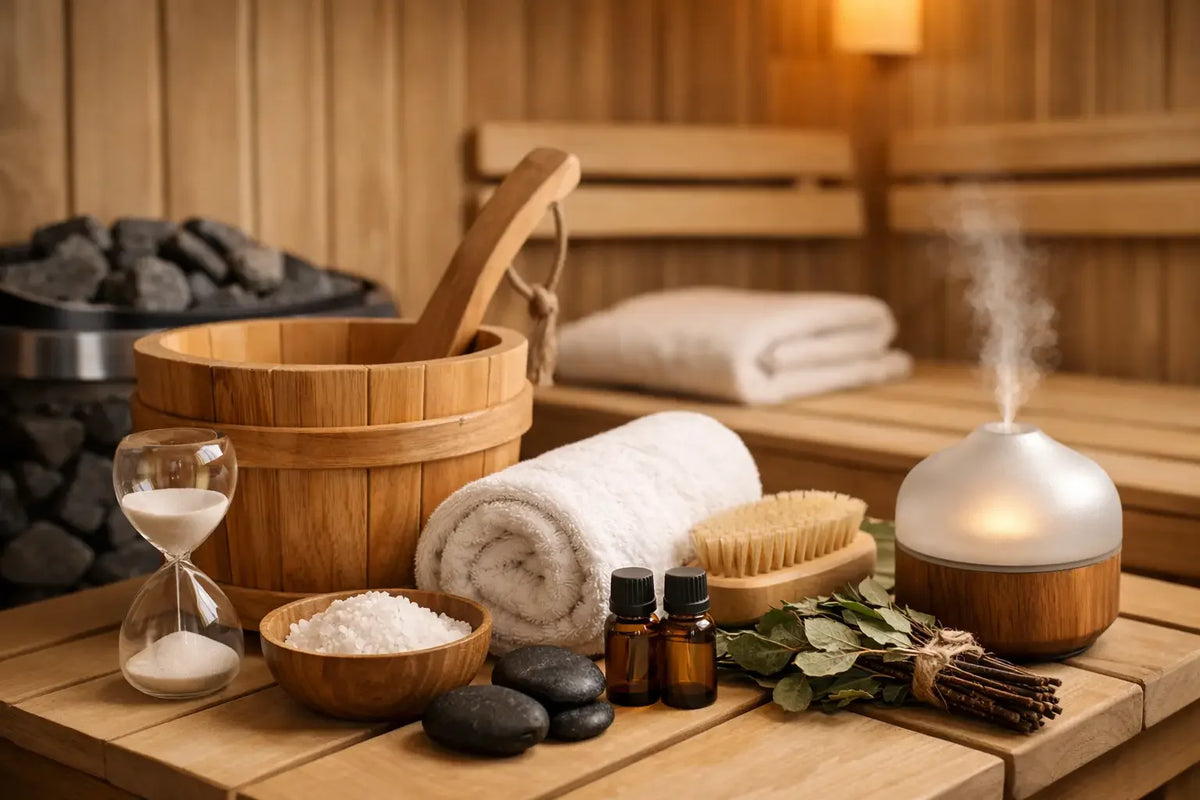
Top Home Sauna Accessories That Earn Their Place
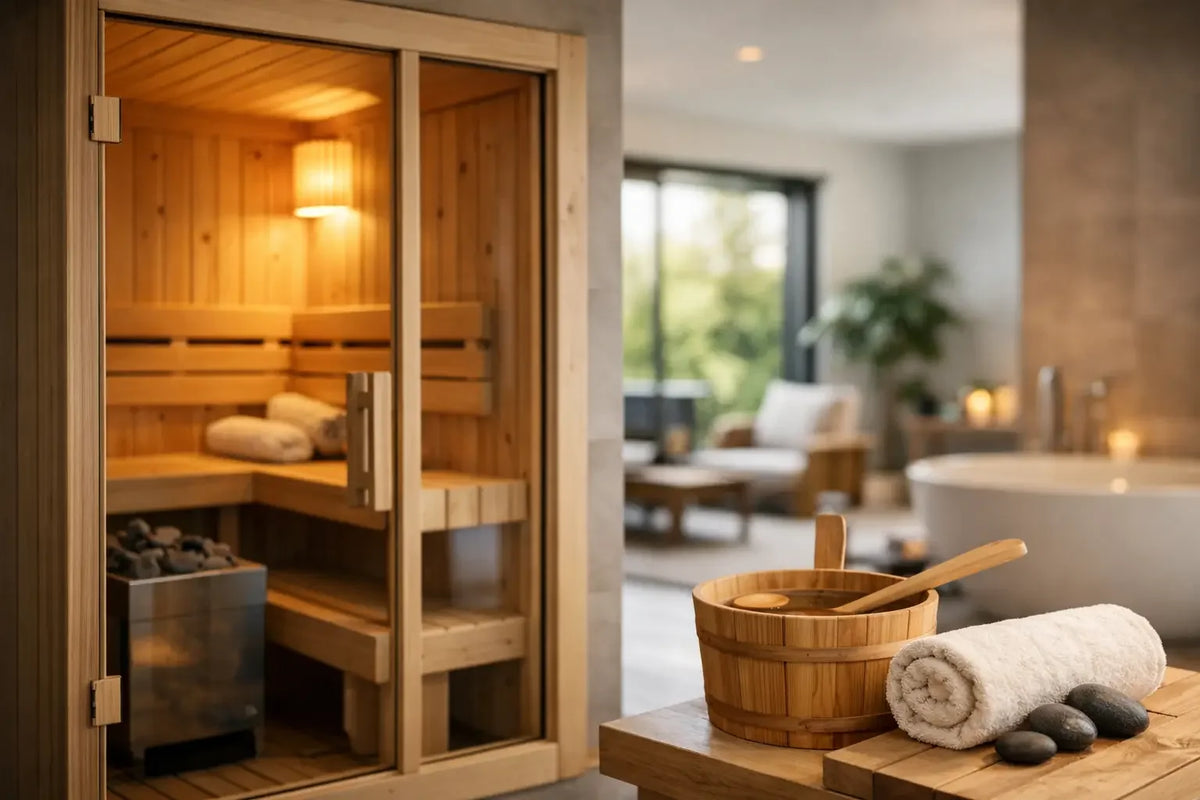
A home sauna becomes more restorative when the details support the ritual rather than compete for attention. The top home sauna accessories are not novelty add-ons. They help you settle into the heat comfortably, understand your environment, protect the room you invested in, and return to the rest of your day feeling clear rather than depleted.
The right selection depends on the sauna you own. A traditional sauna with a heater and sauna stones calls for different tools than an infrared cabin, while an outdoor barrel sauna brings weather exposure and storage into the equation. Start with the accessories that improve safety and comfort every time you use the space, then add sensory elements that make the ritual feel distinctly your own.
Top Home Sauna Accessories for a Better Ritual
A reliable thermometer and hygrometer
Heat can feel very different from one session to the next, especially in a traditional sauna where water on the stones changes the humidity. A sauna-rated thermometer and hygrometer let you read both temperature and relative humidity at a glance, helping you learn what conditions feel best for your body.
This is less about chasing an extreme number and more about creating consistency. If a certain temperature and humidity level leaves you relaxed and refreshed, you can recreate it. Choose an accessory designed for sauna conditions, with materials and mounting hardware that tolerate sustained heat. In an infrared sauna, temperature monitoring can still be useful, though humidity readings are usually less central to the experience.
A wooden bucket and ladle for traditional saunas
For a traditional sauna, a well-made wooden bucket and ladle are central to the experience, not merely decorative. A small pour of water over heated stones creates löyly, the gentle burst of steam that changes the feel of the room and allows you to shape the session moment by moment.
Use only the amount of water your heater manufacturer permits, and never pour water onto an infrared heater or electrical components. A bucket made from cedar, spruce, or another sauna-appropriate wood complements the room while staying practical. Look for a liner or insert if easy cleaning matters to you, and empty the bucket after use rather than leaving standing water in a warm room.
Supportive backrests, headrests, and bench cushions
A sauna ritual asks you to be still. If you spend the session shifting against a hard bench or holding tension in your neck, comfort deserves attention before you add anything more elaborate.
Contoured cedar backrests make it easier to recline without flattening your natural posture. A removable headrest can support the neck during a quiet solo session. For added softness, choose a heat-safe, washable bench cushion or folded sauna towel made from natural, breathable fibers. Avoid products with foam, plastics, adhesives, or synthetic finishes that may hold heat, off-gas, or degrade over time.
For couples or families, consider how accessories affect usable bench space. One beautifully designed backrest may elevate a private ritual; several bulky pieces can make a compact cabin feel crowded.
Sauna towels that work hard and look considered
A dedicated set of sauna towels is one of the simplest upgrades you can make. You need one beneath you to protect the wood from sweat, one for drying off, and, depending on your routine, a lighter towel for the shoulders or hair.
Natural cotton, linen, or waffle-weave towels are comfortable against warm skin and easy to launder. Larger towels offer better coverage on wide benches, while hand towels keep sweat from reaching the floor during a transition between sauna and shower. Keep the color palette quiet and cohesive if your sauna is part of a larger wellness room. A few well-chosen textiles create a more settled atmosphere than a shelf full of mismatched accessories.
Warm, low-glare lighting
Lighting has an outsized effect on whether your sauna feels like another room or a place to step away from the day. Harsh overhead brightness can feel clinical; dim, warm illumination supports a slower transition into rest.
Choose sauna-rated fixtures or LEDs specifically approved for the heat and moisture conditions of your sauna. Indirect lighting behind a backrest or beneath a bench can create a soft glow without shining directly into your eyes. A dimmer is worthwhile if your setup allows it, since a brighter setting may be useful for cleaning while lower light better suits an evening session.
Do not bring standard lamps, candles, or battery-powered décor into the sauna. Fire risk, heat damage, and unreliable materials are not a fair trade for ambiance.
Aromatherapy, used with restraint
A familiar scent can signal that your recovery ritual has begun. Eucalyptus feels crisp and open, lavender can lend a softer evening quality, and pine or cedar can deepen the natural character of a wood-lined sauna.
The method matters. In a traditional sauna, use a sauna-specific essential oil blend diluted according to its instructions before adding it to bucket water. Essential oils are concentrated, and applying them directly to hot stones can create irritating fumes, residue, or a flare-up risk. In an infrared sauna, avoid putting oils on heaters, panels, or untreated wood. A diffuser placed outside the cabin or a lightly scented towel in a nearby changing area often delivers a more appropriate experience.
Scent is deeply personal. Start subtle, particularly if you are sharing the sauna or are prone to headaches, asthma, skin sensitivity, or fragrance reactions. The goal is a gentle sensory cue, not a room that smells like a perfume counter.
Accessories That Protect the Sauna Itself
A premium sauna is built for warmth and repetition, but its finish and cleanliness still depend on simple care. Thoughtful maintenance accessories preserve the space so it continues to feel welcoming years from now.
Keep a soft natural-bristle brush for lifting debris from bench seams and a clean microfiber cloth for exterior surfaces and control panels. Use a sauna-safe wood cleaner when needed, following your manufacturer’s guidance. Strong household cleaners, bleach, and heavily fragranced sprays can damage wood or leave behind residues that become unpleasant when heated.
A small wooden or heat-safe floor mat near the entry can reduce tracked-in moisture and make the transition out of the sauna more comfortable. For outdoor models, a protective cover designed for the exact sauna style may be valuable during prolonged periods of nonuse, but only cover the sauna when it is fully cool and dry. Trapped moisture is the enemy of a clean, well-kept wellness space.
Ventilation is also part of maintenance. After each session, leave the door open long enough for the cabin to air out, remove damp towels, and empty any water bucket. These quiet habits matter more than an elaborate cleaning kit.
Hydration and Recovery Belong Just Outside the Door
The most useful sauna accessory may not enter the sauna at all. Set up a small recovery station just outside: a glass or insulated bottle of water, a clean robe, sandals, and a place to sit for a few minutes as your body cools down.
For longer or more intense sessions, an electrolyte drink can be useful, especially after training or heavy sweating. Individual needs vary with health conditions, medications, exercise load, and heat tolerance, so there is no universal hydration formula. Drink to thirst, avoid alcohol before and after sauna use, and give yourself permission to end a session early when you feel dizzy, nauseated, faint, or unwell.
If you are pregnant, managing cardiovascular conditions, taking medications that affect heat regulation or blood pressure, or have any uncertainty about heat exposure, speak with a qualified clinician before building a sauna routine. A well-designed ritual should feel supportive, never like something to push through.
What Not to Buy for Your Home Sauna
The accessory market can encourage overbuying. Bluetooth speakers, tablets, decorative objects, and generic plastic storage bins may seem convenient, but heat and moisture are hard on electronics and low-quality materials. They can also distract from the restorative purpose of the space.
Be cautious with products that promise to make heat therapy more intense through wraps, unverified inserts, or improvised modifications. Your sauna’s design, ventilation, and electrical system work together for a reason. Any accessory that changes how the heater, controls, or airflow operates should be approved by the manufacturer.
At WellNest Home, the best approach is to build from the ritual outward: comfort first, safe heat management second, sensory refinement third. That order keeps the experience elevated without turning your sanctuary into a storage shelf.
Choose the few accessories that make you more likely to return to warmth consistently. A supportive backrest, fresh towel, measured humidity, and water waiting nearby can be enough to turn fifteen quiet minutes into a ritual your body begins to recognize as care.

Leave a comment
This site is protected by hCaptcha and the hCaptcha Privacy Policy and Terms of Service apply.