

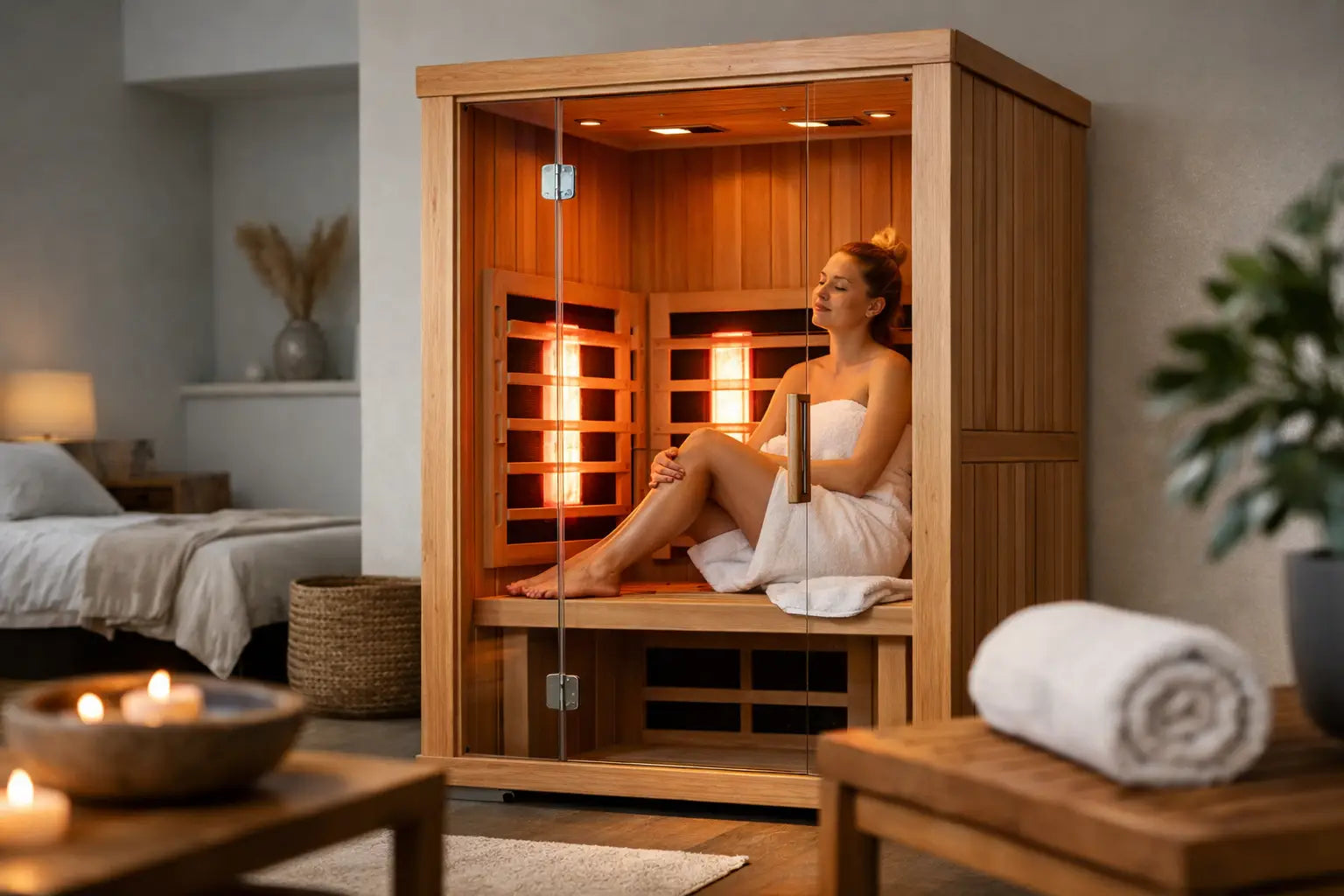
Home Infrared Sauna Guide for Your Daily Ritual
A home sauna is not simply a warm room with a timer. It can become the place where a demanding workday softens, post-training tension begins to release, and a few uninterrupted minutes return you to yourself. This home infrared sauna guide is designed to help you choose with clarity, balancing the restorative experience you want with the practical details that make an at-home ritual easy to sustain.
Infrared saunas are especially appealing for people who want consistent warmth without the intense ambient temperatures associated with traditional sauna bathing. The right choice depends less on chasing the highest specifications and more on understanding how you plan to use the space, who will share it, and what will make you return to it week after week.
What Makes an Infrared Sauna Different?
Traditional saunas warm the air, often to high temperatures, while infrared saunas use infrared emitters to deliver radiant heat directly to the body. The cabin itself generally operates at a lower air temperature, commonly around 110 to 150 degrees Fahrenheit depending on the model and setting. For many people, that creates a more approachable experience: you can settle into a longer session, read quietly, listen to a guided meditation, or simply sit in stillness without feeling overwhelmed by the heat.
Infrared heat is often chosen to support relaxation, temporary relief of minor muscle and joint discomfort, and a sense of recovery after exercise. It may also feel beneficial after long periods at a desk, travel, or a restless night. These are meaningful quality-of-life benefits, but an infrared sauna is not a substitute for medical care. If you are pregnant, have cardiovascular concerns, take medications that affect heat tolerance, or manage a chronic condition, speak with your clinician before beginning a sauna routine.
A Home Infrared Sauna Guide to Size and Placement
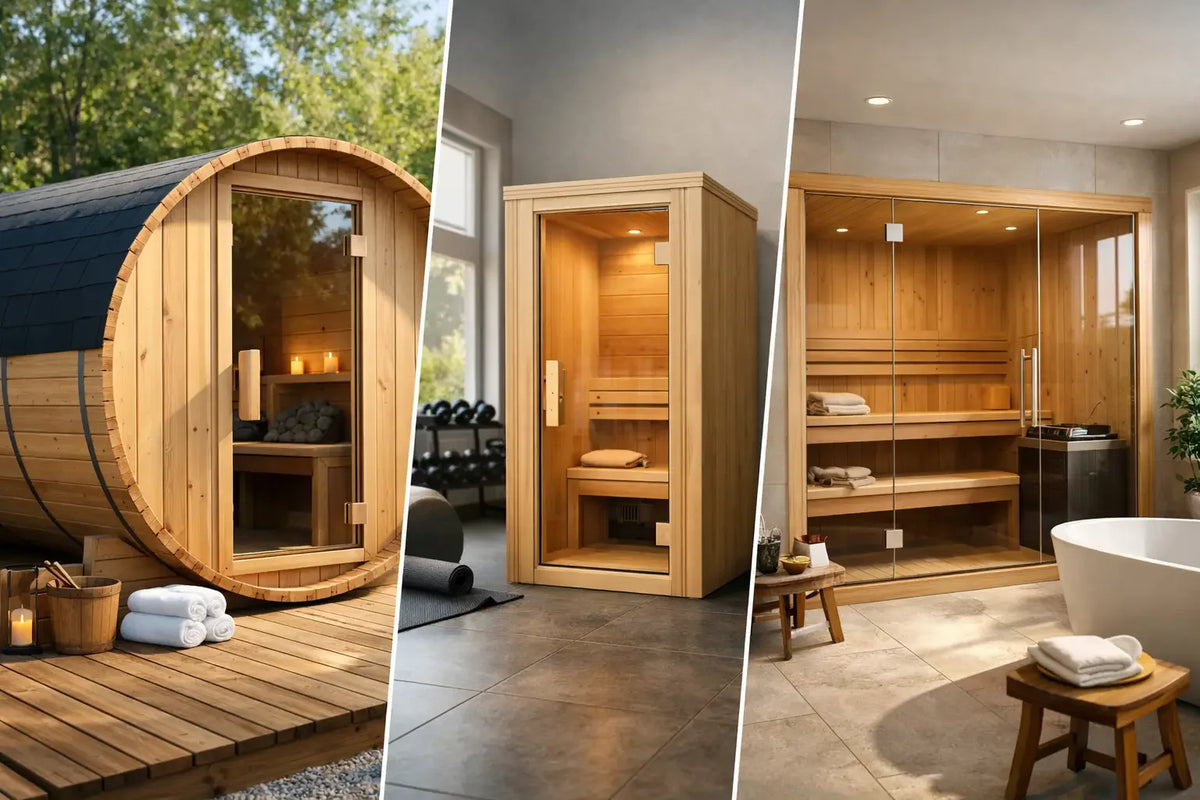
The most beautiful sauna is the one that fits naturally into your life and your home. Before comparing wood finishes, heaters, and control panels, decide where the sauna will live. A spare bedroom, home gym, primary suite, finished basement, or covered outdoor area can all work well when the model is rated for that setting.
Measure the intended footprint carefully, including clearance for the door swing and a comfortable path around the unit. Also consider ceiling height, flooring, ventilation, and nearby access to a shower or bathroom. A sauna does not require elaborate plumbing, but having a place to rinse off and rehydrate nearby makes the ritual more inviting.
One-Person Saunas
A one-person cabin is a thoughtful choice for a private daily practice and smaller rooms. It tends to heat efficiently, requires less floor space, and gives you a dedicated place to decompress without turning a guest room or gym into a full wellness build-out. The trade-off is simple: it is designed for solitude. If you expect to share sessions with a partner, this size can quickly feel limiting.
Two-Person and Larger Cabins
A two-person sauna is often the most versatile option for couples and households that value shared recovery. It also gives one person more room to stretch out or sit comfortably with a towel, water, and a small speaker nearby. Larger cabins create a more social setting and can feel especially generous in a home gym or dedicated wellness room, though they require more space, may draw more power, and take longer to warm.
Do not choose solely by the number on the label. Interior bench width, backrest design, door placement, and the position of the emitters all influence whether the cabin feels spacious or restrictive.
Choosing Heat Technology and Construction
Not all infrared systems feel the same. Full-spectrum models are designed to provide near-, mid-, and far-infrared wavelengths, while far-infrared models focus on the wavelength commonly associated with gentle, penetrating warmth. There is no universal winner. A full-spectrum sauna may appeal to shoppers who want broad-spectrum technology, while a well-built far-infrared model can offer an exceptionally comfortable, straightforward heat experience.
Pay close attention to emitter placement. Even heat distribution matters more in daily use than an impressive-sounding component count. Look for thoughtful coverage around the back, sides, legs, and calves, rather than heat concentrated in only one area.
Wood choice also shapes the experience. Hemlock is valued for its clean, light appearance and stability. Cedar brings a richer color and naturally aromatic character that can make the room feel more like a retreat. Whichever you choose, prioritize quality construction, smooth interior finishes, tempered glass, and low-odor materials. A premium sauna should feel calm from the first warm-up, not like a project that needs airing out for weeks.
The Features That Matter in Daily Use
Feature lists can become distracting, especially in a high-consideration purchase. Start with the controls you will actually use. An intuitive interior control panel, dependable timer, and adjustable temperature settings make it easier to create a routine without reaching for your phone or stepping out mid-session.
Built-in chromotherapy lighting, Bluetooth audio, and exterior controls can add to the atmosphere, but they should support the ritual rather than define it. Chromotherapy can bring a soft wash of color to an evening session. Audio can turn a quiet 20 minutes into a guided breathwork practice or a favorite album. Neither replaces the essentials: comfortable seating, even heat, reliable construction, and safe electrical installation.
For indoor units, confirm the electrical requirements before you order. Many compact saunas operate on a standard 120V outlet, while larger models may require a dedicated circuit or 240V connection installed by a qualified electrician. This is a detail worth resolving early, particularly in older homes or finished spaces where electrical upgrades may affect your budget and timeline.
Build a Routine You Will Want to Keep
The value of an infrared sauna comes from repetition, not perfection. Begin with a comfortable temperature and a shorter session, perhaps 10 to 15 minutes, then adjust gradually as you learn how your body responds. Many people eventually enjoy 20 to 40 minutes, but duration should always reflect your comfort, hydration, and health needs.
A practical rhythm might be a morning session before the household wakes, a post-workout reset, or an evening transition away from screens and into rest. Bring water with you, avoid alcohol before or during use, and leave the sauna if you feel dizzy, nauseated, faint, or unwell. A cool-down period afterward gives your body time to settle and extends the unhurried feeling of the ritual.
You do not need to fill every session with productivity. Some days, the best use of the sauna is a simple return to warmth: no podcast, no notifications, no performance goal. On others, it can become part of a fuller recovery sequence alongside light stretching, red light therapy, or a cold plunge, provided you introduce new practices thoughtfully and follow appropriate safety guidance.
Consider the Full Ownership Experience
A sauna is an investment in your home, so purchase support matters. Review the warranty, delivery process, assembly expectations, and whether the retailer offers guidance before and after the sale. Some models arrive largely assembled; others require more involved installation. Understanding that distinction protects both your timeline and your first impression.
Maintenance is generally uncomplicated. Wipe down benches after use, allow the cabin to air out, and use a towel beneath you to help preserve the wood. Avoid harsh chemical cleaners or leaving damp textiles inside. With regular care, the sauna remains a composed, inviting part of the home rather than another item competing for attention.
At WellNest Home, the goal is not to add one more wellness device to your routine. It is to help create a space that makes restoration feel considered, accessible, and worth protecting. Choose the sauna that suits your home as it is today, then let the ritual make room for the life you want to feel more often: warmer, quieter, and restored.
Leave a comment
This site is protected by hCaptcha and the hCaptcha Privacy Policy and Terms of Service apply.