

Article: Cold Plunges for Thoughtful Home Recovery
Cold Plunges for Thoughtful Home Recovery
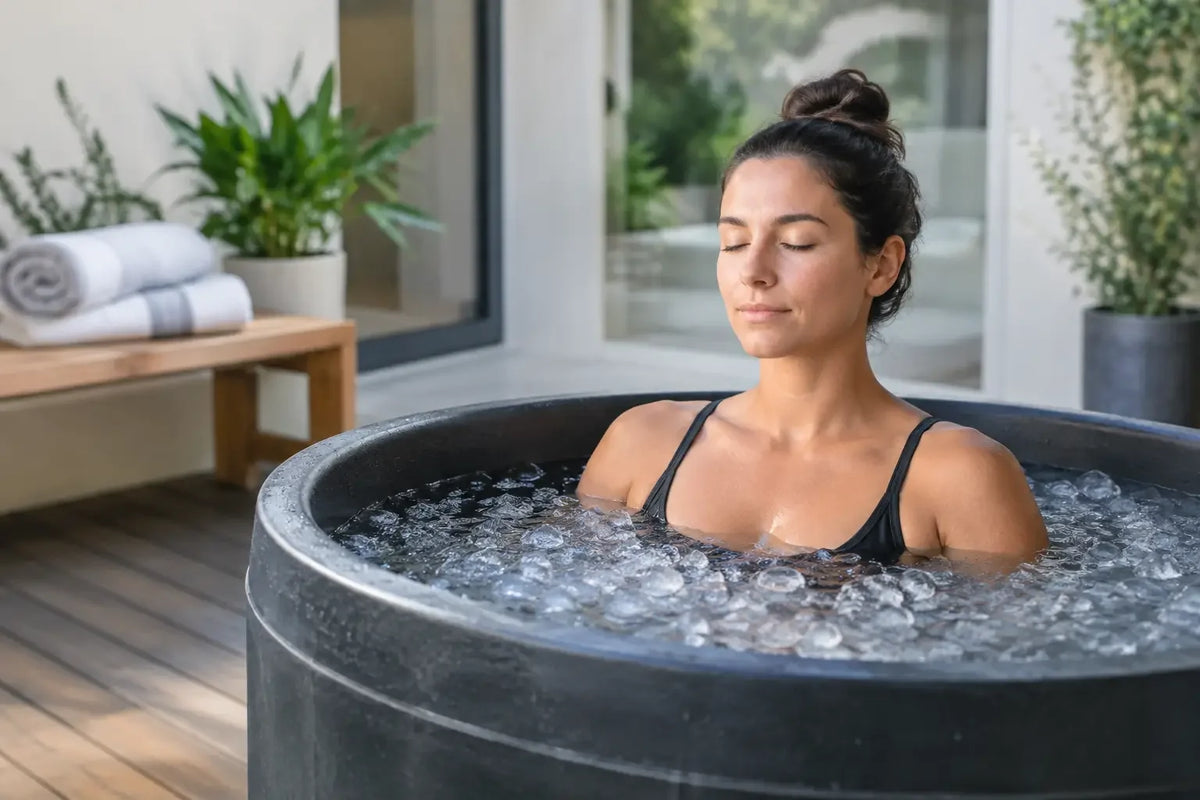
The first few seconds of cold water ask for your full attention. Your breath catches, the noise of the day falls away, and a simple choice takes over: soften the shoulders, slow the exhale, stay present. That immediate shift is part of why cold plunges have moved from athletic training rooms into thoughtfully designed home wellness spaces.
For some people, a cold plunge is a powerful post-workout ritual. For others, it is a clear, bracing reset before the household wakes up or a way to draw a line between a demanding workday and a quieter evening. The experience can be meaningful, but the best results do not come from chasing extremes. They come from using cold exposure with intention, respect for your body, and a setup that makes the practice easy to return to.
What Cold Plunges May Do for Your Body and Mind
A cold plunge involves immersing most of the body in cold water, usually for a short, controlled period. The initial exposure activates the body’s cold-shock response: breathing speeds up, blood vessels near the skin constrict, and the nervous system becomes highly alert. With calm breathing and repeated, measured practice, many people find that the sensation becomes more manageable.
The most established use is around exercise recovery. Cold-water immersion may help reduce the perception of muscle soreness after intense training, particularly after demanding endurance events, tournaments, or high-volume sessions. It can also feel restorative after a long day on your feet, a hard hike, or travel that leaves the body heavy and sluggish.
The mental appeal is just as real, though it should be described carefully. A cold plunge can create a distinct feeling of alertness and clarity, partly because it requires focused breathing and pulls attention into the present moment. Many users describe an uplifted mood afterward. That does not make it a treatment for anxiety, depression, or any medical condition, but it can be a supportive element in a broader routine built around sleep, movement, nourishment, and stress care.
There is also an important trade-off for people focused on muscle growth. Regular cold immersion immediately after every strength workout may reduce some of the inflammation involved in adaptation. If hypertrophy is your primary goal, reserve cold sessions for rest days, separate them from lifting by several hours, or use them after especially taxing events rather than automatically after every session.
The Right Temperature and Time Are Personal
More cold is not automatically more beneficial. In fact, a practice that feels punishing is less likely to become a sustainable ritual. For most beginners, water in the 50 to 59 degree Fahrenheit range offers a meaningful introduction without requiring unnecessary bravado. Start with 30 seconds to one minute, then build gradually as your comfort and breathing control improve.
Experienced users may prefer colder water or longer sessions, but longer is not always better. Many home users find one to three minutes sufficient. The goal is to leave feeling awake, composed, and capable of returning to warmth comfortably, not depleted or numb.
Temperature preferences also vary by purpose. A slightly milder plunge may suit a daily clarity ritual or a first-time user, while colder water may feel appropriate after a grueling endurance effort. Your sleep, stress level, recent training, and outdoor temperature all influence how the same water temperature will feel on a given day. Let the practice be responsive rather than rigid.
A simple way to begin
Before entering, set a timer and decide on a modest goal. Step in with control rather than jumping, keeping your face out of the water at first. Focus on a longer exhale than inhale until the initial gasp response settles. If you cannot regain steady breathing, exit the tub. That is useful information, not a failure.
Afterward, dry off, put on warm layers, and allow your body to rewarm naturally through gentle movement and a warm beverage. Avoid turning the recovery ritual into another stressor by rushing straight into a scalding shower. The contrast between cold and warmth can be deeply pleasant, but it should feel grounding, not overwhelming.
Safety Comes Before the Sensation
Cold water is a real physiological stressor. A beautiful plunge tub does not remove the need for sound judgment, especially when you are new to the practice. Never use alcohol or recreational substances before a plunge, and avoid cold-water immersion when you are ill, severely fatigued, or unable to monitor how you feel.
People with cardiovascular disease, high blood pressure that is not well controlled, circulation concerns, diabetes-related nerve damage, Raynaud’s phenomenon, a history of fainting, or respiratory conditions should speak with a qualified clinician before beginning. The same applies during pregnancy and for anyone taking medication that affects blood pressure, heart rate, or temperature regulation. If you feel chest pain, severe dizziness, confusion, uncontrollable shivering, or unusual shortness of breath, get out immediately and seek medical guidance.
A home setup should also make safe use straightforward. Choose a stable location with appropriate drainage and electrical planning. Keep the route from the tub to towels and warm layers clear and slip-resistant. If your plunge uses a chiller and filtration system, follow its maintenance guidance closely. Clean, properly treated water is not merely a convenience. It is central to a safe, inviting experience.
Build a Ritual, Not a Test of Will
The cold plunge that serves you best is the one that fits into the life you actually lead. A dedicated outdoor area may offer fresh air and a view of the morning sky. A garage, basement, or converted spare room may make more sense for year-round consistency. The ideal setting is private, accessible, and calm enough that you do not feel rushed.
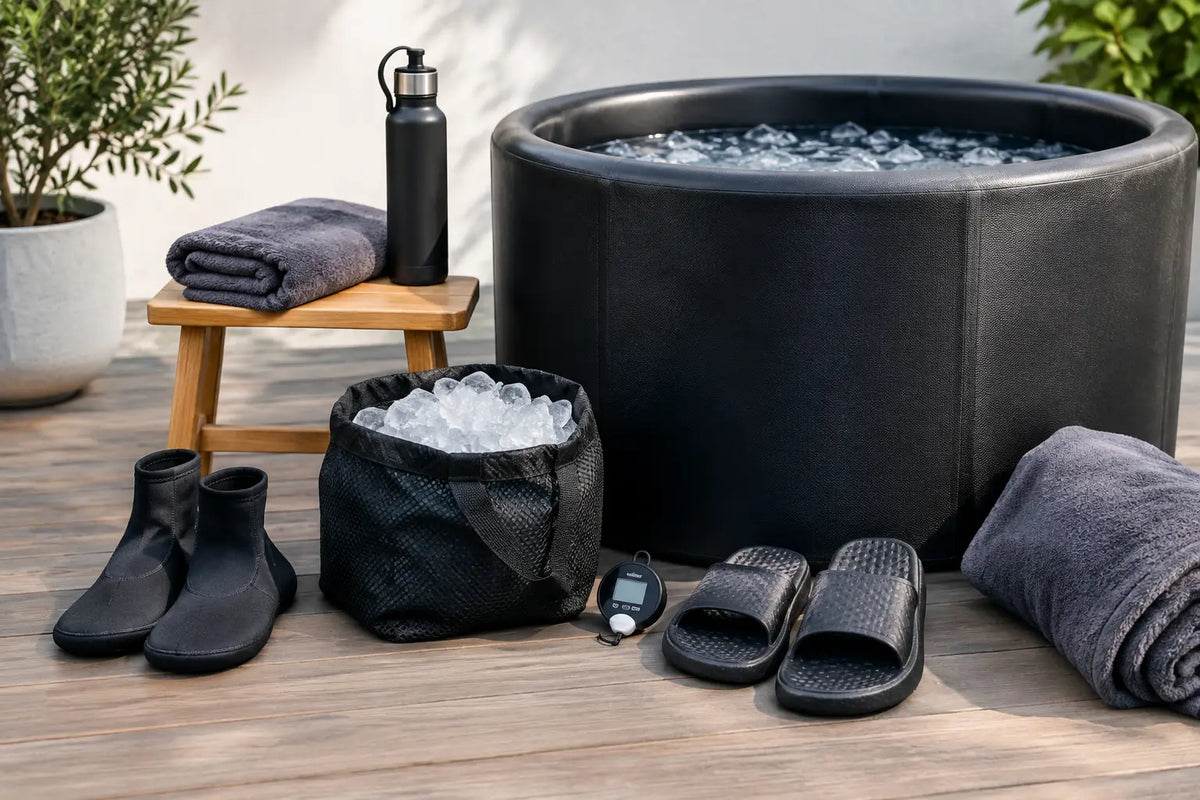
Consider what happens before and after the water. A robe within reach, soft lighting, a nearby bench, fresh towels, and a place to sit quietly can turn a two-minute immersion into a restorative ten-minute pause. If you already use a sauna, alternating heat and cold can create a memorable contrast ritual. Begin conservatively, especially with contrast therapy, and give your body time to acclimate between temperatures.
At WellNest Home, the most considered home wellness spaces are designed around these transitions. The tub itself matters, of course, but so does the invitation to use it: a space that feels clean, beautiful, and ready when your body needs recovery.
When to use a cold plunge
Morning plunges can suit people who enjoy a sharp shift into alertness before work, though some may find the stimulation too intense if they are already under-rested. After training, cold can feel welcome when soreness relief is the priority. On rest days, it can become a moment of intentional challenge followed by calm.
Evening use depends on the individual. Some people settle beautifully after rewarming, while others feel too energized close to bedtime. Try it earlier in the evening first, then adjust based on your sleep. Your routine should support your nervous system, not force it into a schedule borrowed from someone else.
Choosing a Home Cold Plunge Setup
A premium plunge is a long-term wellness investment, so practicality deserves as much attention as aesthetics. Think first about where it will live and who will use it. Indoor installations call for careful attention to flooring, moisture, ventilation, and access to water and power. Outdoor models must be suited to your climate and protected from debris, direct sun, and freezing conditions when applicable.
Chiller capacity matters because it determines how reliably the water can hold your desired temperature. Filtration and sanitation systems affect maintenance demands and water quality. Insulation, a fitted cover, and efficient circulation can make ownership quieter, cleaner, and more economical over time. For households with more than one user, a larger capacity and an easy cleaning routine may be more valuable than pursuing the lowest possible temperature.
Also consider the feeling of entry. A low step, stable edge, comfortable dimensions, and enough room to sit in a relaxed position all influence whether the experience feels supportive. The best choice is rarely the most aggressive-looking model. It is the one that fits your space, your recovery goals, and the rhythm of your household.
Cold exposure is not meant to prove toughness. It can be a small, clarifying appointment with yourself: breathe through the first shock, listen to your body, and return to warmth with a little more steadiness than you had before.
Leave a comment
This site is protected by hCaptcha and the hCaptcha Privacy Policy and Terms of Service apply.