Full Body Red Light Setup for Home Recovery
A full body red light setup is less about filling a room with the largest possible device and more about creating dependable, even exposure you will actually use. When it is thoughtfully placed, easy to access, and aligned with your recovery rhythm, red light therapy can become a quiet transition between training, work, and rest - a few unhurried minutes that help you return to warmth and routine.
For a home wellness space, the goal is not to recreate a clinic with complexity. It is to choose coverage, output, and placement that suit your body, your room, and the way you want to feel afterward.
What a Full Body Red Light Setup Really Means
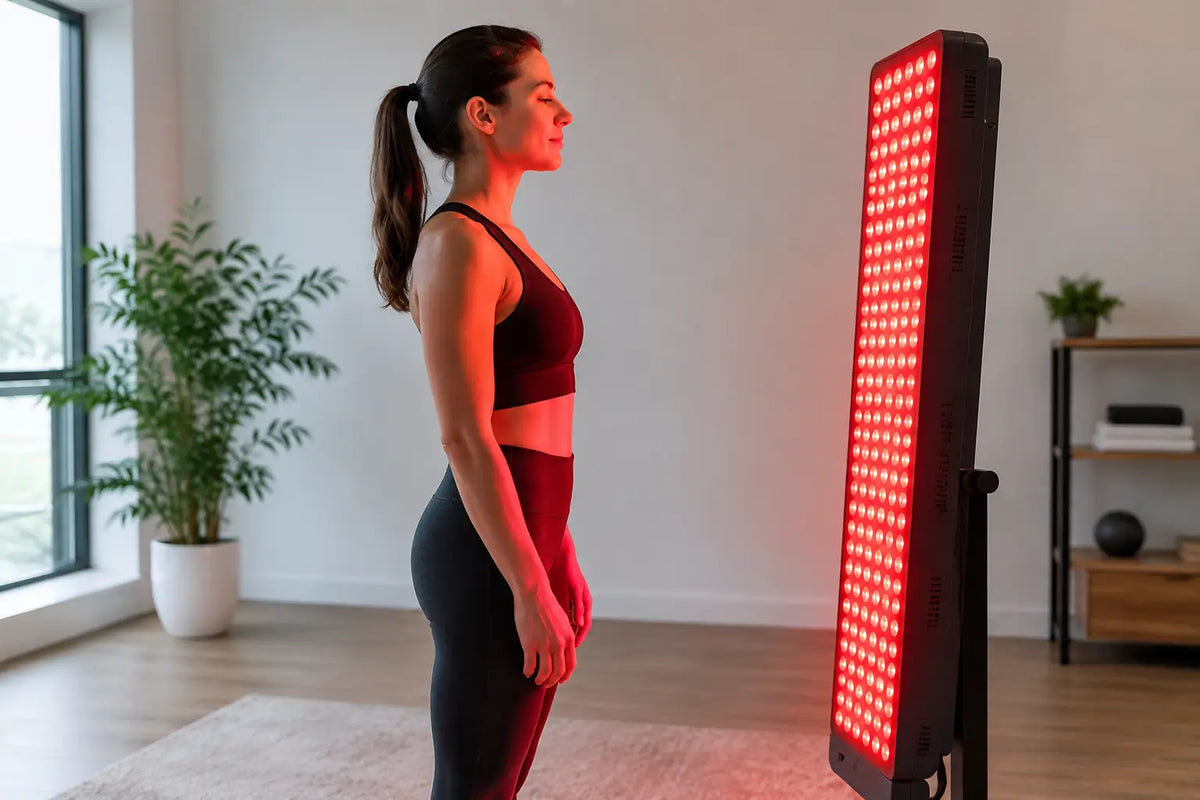
“Full body” does not necessarily mean every inch of skin receives light at the exact same moment. In a home setting, it usually means a panel or modular panel arrangement large enough to treat the major areas of the body in one standing or reclining session, without repeatedly repositioning a small device.
That distinction matters. A compact panel can be a wonderful option for the face, neck, knee, shoulder, or a targeted recovery ritual. But if your intention is broad muscle recovery after a demanding workout, support for a whole-body evening wind-down, or a more efficient daily practice, a taller panel or multi-panel configuration is often the better fit.
Red light therapy devices commonly combine red wavelengths, often in the 600 nm range, with near-infrared wavelengths, often in the 800 nm range. Red light is visible and is frequently selected for skin-focused goals, while near-infrared light is invisible and is commonly used in recovery-oriented routines because it reaches deeper into tissue. The right balance depends on your priorities, but a quality full-body panel that offers both gives your ritual more flexibility.
Start With the Room, Not the Device
The best panel on paper can become an unused purchase if its home feels inconvenient. Before comparing specifications, decide where the experience belongs.
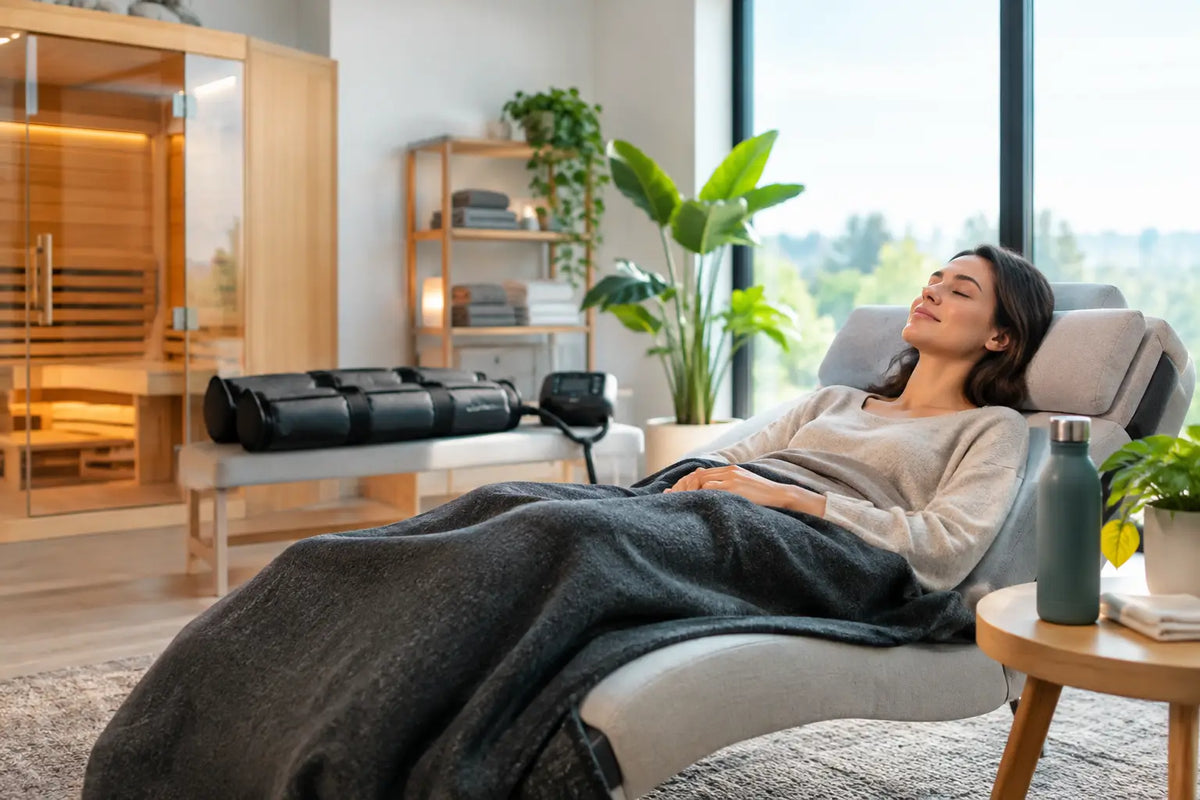
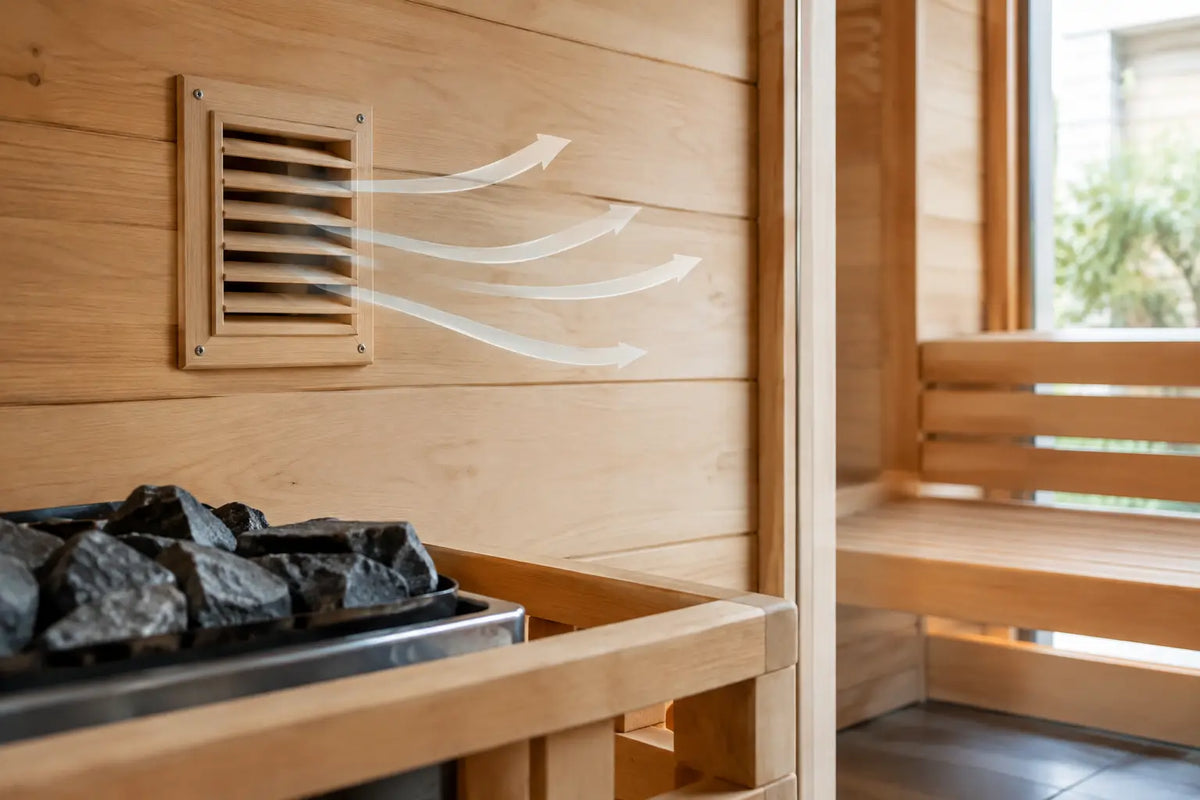
A dedicated wellness room creates the most immersive setting. Pairing red light with an infrared sauna, cold plunge, stretching area, or meditation corner can turn recovery into an intentional sequence rather than another item on a to-do list. A bedroom, home gym, dressing room, or quiet corner of a finished basement can also work beautifully when the space has enough clearance and privacy.
Give yourself room to stand comfortably in front of the panel, typically several inches to a couple of feet away depending on the manufacturer’s guidance and your desired intensity. You also need enough space to step in, turn around, and adjust the panel without bumping furniture. A mirror nearby can be useful for positioning, but it is not essential.
Consider the atmosphere as carefully as the footprint. Bright overhead lighting, tangled cords, and a panel squeezed behind exercise equipment can make the practice feel clinical in the wrong way. Soft ambient light, a stable floor surface, a simple stool or mat, and a nearby place for a robe or towel are small choices that make it easier to return to the ritual.
Choose Coverage That Matches Your Routine
Panel height is one of the clearest indicators of how a full body red light setup will feel in daily use. A shorter panel may treat the torso and upper legs effectively while requiring a second position for calves, feet, or upper body. A taller panel can reduce that repositioning, especially for taller users or anyone looking for a more complete standing session.
Width matters, too. A narrow, tall panel offers strong front-facing coverage in a compact footprint. Two panels arranged side by side provide broader coverage and can be especially appealing for athletes, couples sharing a wellness space, or those who value a more enveloping treatment experience. The trade-off is cost, wall space, and electrical planning.
Mounting should support the way you intend to use the panel. A door mount can be practical for renters or multipurpose rooms, provided the door and hardware can safely support the unit. A wall-mounted panel keeps the floor clear and gives the room a clean, built-in look. A rolling stand is ideal when flexibility matters, allowing you to move from standing sessions to a reclined position or to share the device between rooms.
If you expect to use your panel while lying down, confirm that the stand or mounting system allows safe overhead or horizontal positioning. Never improvise a ceiling mount or place a heavy panel above your body without hardware specifically designed for that use.
Look Beyond the Wavelength List
Specifications are helpful, but they should answer practical questions rather than create confusion. Irradiance, measured in milliwatts per square centimeter, describes light intensity at a given distance. Higher output is not automatically better. It can allow shorter sessions, but it also makes distance and timing more important. The usable dose is shaped by intensity, session length, and how far you stand from the device.
Look for transparent performance information measured at realistic distances, clear operating instructions, reliable cooling, and controls that let you use red light, near-infrared light, or both when available. A built-in timer helps create consistency and prevents the familiar question of whether you stayed in front of the panel too long.
In a premium home environment, construction also deserves attention. A stable frame, thoughtful mounting options, low-flicker design, manageable fan noise, and a warranty from a company that stands behind its equipment are not cosmetic details. They influence whether the panel feels calm and trustworthy over years of use.
Build a Session Around Consistency
More is not always more with light therapy. Follow the device manufacturer’s protocol, begin conservatively, and give your body time to respond. Many people start with short sessions several times per week, then adjust based on their comfort, goals, and the output of their specific panel.
For whole-body use, stand facing the panel for one portion of the session and turn around for another. If you have a smaller panel, divide the session into zones rather than chasing perfect coverage in one pass. Keep skin clean and free of products that may make you more sensitive to light unless a qualified clinician has advised otherwise.
The most sustainable routine is often attached to something you already do. Use the panel after strength training while you cool down, before a warm shower, or in the early evening as you shift away from screens and into sleep preparation. Morning use can also suit people who enjoy a quiet, energizing start. There is no universal best time - the best time is the one that becomes part of your week.
Safety Belongs in the Design
Red light therapy is generally well tolerated, but a home setup still calls for care. Read the manual before your first session, particularly instructions on eye protection and recommended treatment distance. Some devices are designed for use with the eyes open at a distance, while others include or recommend protective eyewear. Use the guidance for your specific panel rather than relying on a general rule.
Speak with a healthcare professional before beginning if you are pregnant, managing a medical condition, taking photosensitizing medication, or receiving treatment for a skin or eye condition. This is especially important for medications that increase sensitivity to light. Red light therapy is a supportive wellness practice, not a substitute for medical diagnosis or treatment.
Keep the panel dry, use a properly grounded outlet, and avoid extension cords unless the manufacturer expressly permits them. If heat, brightness, or the intensity of a session feels uncomfortable, increase your distance, shorten the exposure, or pause and reassess.
Let the Setup Serve the Ritual
A beautiful recovery space does not need to be elaborate. It needs to remove friction. Keep the panel where it is visible, store eye protection and a timer nearby, and leave enough open floor space that you can step in without rearranging the room. Add the elements that invite you to linger: a supportive mat, clean towels, soft music, or a scent that signals the day is slowing down.
For homeowners building a larger sanctuary, red light can sit naturally alongside heat therapy, cold immersion, and gentle mobility work. The sequence should feel personal. Some prefer red light after exercise and before a sauna; others reserve it for a slower evening ritual. Notice what supports your energy, comfort, and consistency rather than following someone else’s exact protocol.
At WellNest Home, the most meaningful wellness spaces are not designed around excess. They are designed around the moments you want to protect. Choose a setup that makes recovery feel close at hand, then give yourself permission to use it slowly and often.