Article: Recovery Room Trends Shaping Home Wellness
Recovery Room Trends Shaping Home Wellness
A recovery room is no longer reserved for elite athletes, luxury spas, or a spare corner of a high-performance training facility. The most compelling recovery room trends are bringing intentional restoration into the home: a quiet space where warmth, cold, light, movement, and stillness support the way you want to feel after a demanding day.
For many households, the goal is not to collect wellness technology. It is to create a repeatable ritual that makes recovery easier to choose. That distinction matters. A beautiful infrared sauna that sits unused is simply furniture; a thoughtfully designed room that draws you in after work, training, travel, or a restless night can become part of the rhythm of your life.
Recovery Room Trends Move From Gadgets to Rituals
The strongest shift in home wellness is away from isolated, one-purpose purchases and toward recovery environments. Homeowners are designing spaces around an outcome: releasing tension, transitioning out of work mode, supporting post-workout recovery, or finding a few uninterrupted minutes of calm.
This is why complementary modalities are increasingly placed together. An infrared or traditional sauna may be followed by a cool shower or cold plunge. Red light therapy may become a brief morning practice before mobility work. Aromatherapy, soft lighting, natural wood, towels within reach, and a place to sit afterward turn equipment into an experience.
The most effective room does not need every modality. In fact, too much technology can make a sanctuary feel like a laboratory. Start with the ritual you can honestly see yourself returning to three or four times each week, then build around it.
Heat Remains the Centerpiece of At-Home Recovery
Saunas continue to anchor many home recovery spaces because they offer something modern schedules rarely provide: a clear reason to stop. Whether you prefer the enveloping warmth of a traditional sauna, the gentler radiant heat of infrared, or the humidity of steam, the appeal is both physical and emotional.
Infrared models are especially popular for indoor wellness rooms where lower operating temperatures and straightforward installation may suit a daily routine. Traditional saunas appeal to those who value a more immersive heat experience, often with stones and the option to add water for steam. Outdoor barrel saunas bring a different kind of luxury - the ritual of stepping outside, returning to warmth, and seeing the seasons from a private retreat.
There is no universally best choice. The right sauna depends on available space, electrical requirements, climate, desired temperature, and how you prefer to unwind. A person who wants a quiet 30-minute evening reset may gravitate toward infrared, while someone drawn to a classic Nordic-style ritual may find traditional heat more compelling.
Design Is Becoming Part of the Wellness Decision
The clinical appeal of recovery tools still matters, but homeowners are no longer willing to sacrifice the look and feel of their space. Current recovery room design favors warm woods, stone textures, concealed storage, dimmable lighting, and an edited palette that feels more like a private spa than a garage gym.
This aesthetic consideration is practical, not superficial. When a room feels inviting, it is more likely to be used. Consider sightlines, door swings, ventilation, floor drainage where applicable, and the everyday details that reduce friction: robe hooks, water nearby, a bench for cooling down, and storage for towels or recovery accessories.
Cold Plunge Trends Favor Precision and Personalization
Cold plunging has evolved beyond the dramatic ice-bath challenge. The current preference is for controlled, repeatable cold exposure with dependable water circulation, filtration, and temperature management. A dedicated tub and chiller can offer far more consistency than filling a temporary vessel with ice, particularly for people who plan to use cold therapy regularly.
Yet colder is not always better. Comfort, experience level, health history, and personal goals all shape a responsible practice. Some people enjoy a brief cool immersion after training; others prefer a less intense temperature as a clear mental reset in the morning. The point is not to endure discomfort for its own sake. It is to create a practice that feels intentional and sustainable.
Cold works particularly well when the transition is considered. A non-slip surface, dry towels, warm lighting, easy access to a shower, and a place to rest afterward can make the difference between a ritual and a chore. If your room includes both sauna and plunge, leave enough circulation space to move safely between them, especially when floors may become wet.
Red Light Therapy Becomes a Daily, Low-Friction Practice
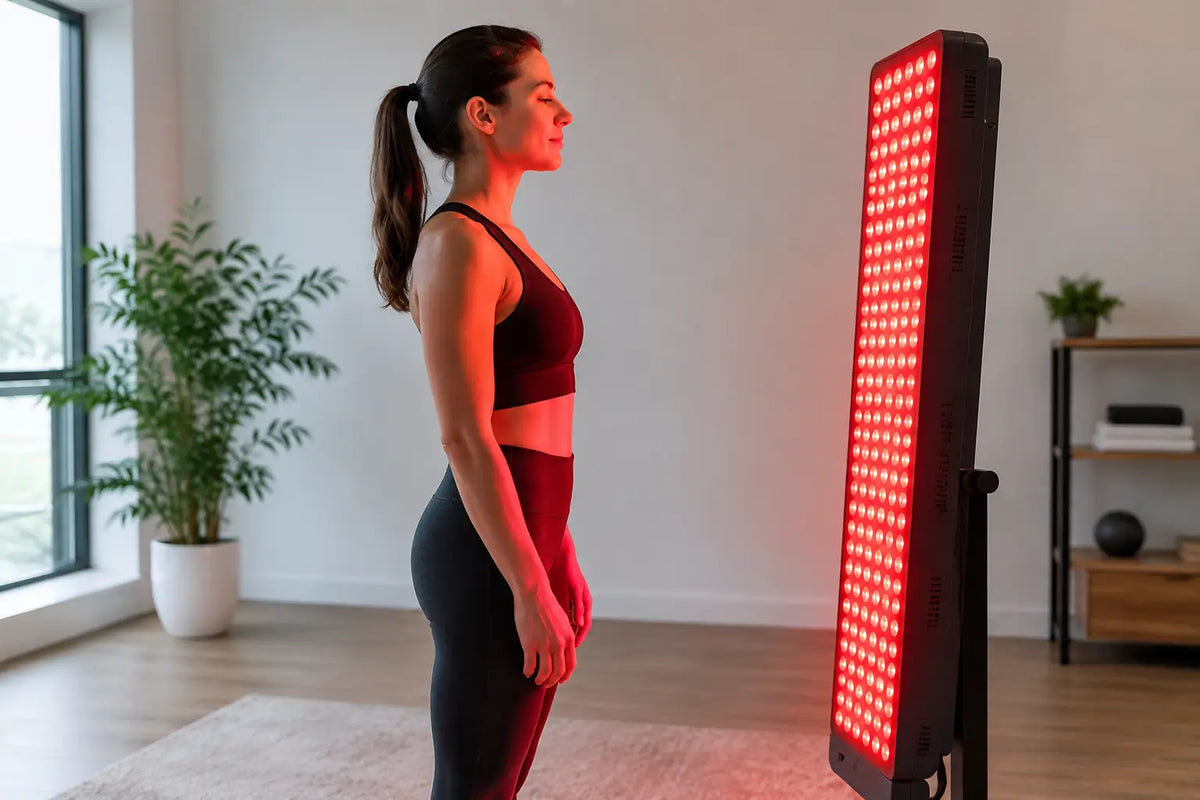
Among the most practical recovery room trends is the move toward red light therapy panels that fit into shorter, more frequent routines. Unlike a long sauna session or plunge, a light session can be easier to integrate before work, after a shower, or alongside gentle stretching.
Placement deserves thought. A panel should have a dedicated wall or stand, appropriate clearance, and a reliable outlet without cords crossing a walkway. The space should also feel calm enough to encourage consistency. Many people pair light therapy with breathwork, mobility, or a few quiet minutes before the demands of the day begin.
As with any wellness modality, product specifications and safe-use guidance matter. Quality, wavelength range, irradiance, treatment distance, eye protection recommendations, and session duration should be clear. Those who are pregnant, have a medical condition, take photosensitizing medications, or have questions about a specific concern should seek guidance from a qualified healthcare professional.
The New Luxury Is a Room That Reduces Decisions
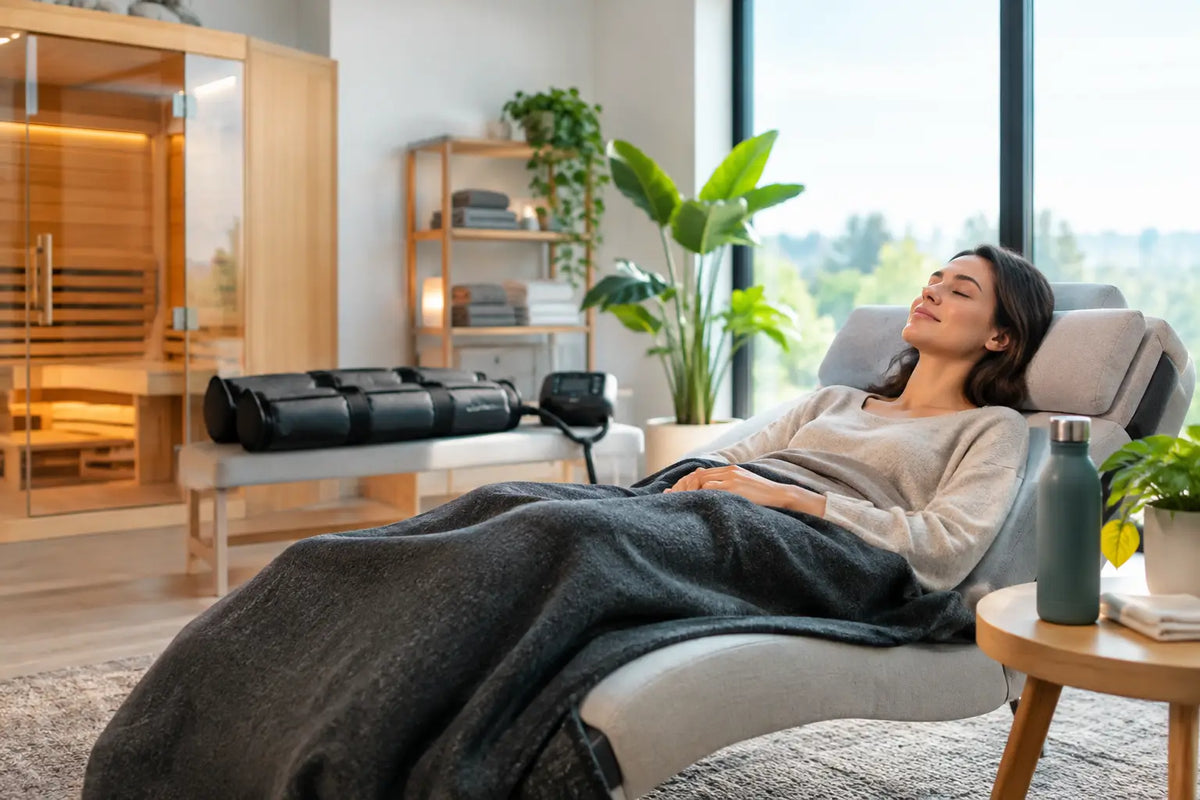
A well-designed recovery space does not ask you to make a dozen choices when you are tired. It holds the essentials in readiness. The temperature is set. The towels are folded. The lighting changes with the time of day. The scent is subtle rather than overpowering. A water carafe waits nearby.
This is where smaller supporting pieces earn their place. Massage tools, weighted wraps, yoga mats, mineral bath supplies, and aromatherapy can deepen the experience without competing for attention. Keep only what supports your preferred ritual. Open shelving may look elegant, but closed storage can better preserve the visual quiet that makes a room restorative.
For busy professionals, this low-friction design is often more valuable than adding another device. Recovery does not have to be an elaborate two-hour protocol. A 15-minute heat session, a few minutes of mobility, and a slow transition back into the evening may be the practice that actually fits.
Planning a Recovery Room That Lasts
Before selecting equipment, begin with the room itself. Measure carefully, including ceiling height, access paths, door clearances, and the route from delivery to installation. Confirm electrical capacity, ventilation needs, flooring, water access, drainage, and the structural requirements of heavier equipment such as cold plunges.
Budget should account for more than the unit price. Depending on the setup, installation, electrical work, plumbing, ventilation, accessories, and ongoing maintenance can affect the total investment. Outdoor rooms also introduce weather exposure, foundation preparation, privacy, and winter use into the decision.
It can be tempting to choose the largest model or the most advanced feature set. Often, a better approach is to choose the configuration that fits your household and routine. A two-person sauna that you use consistently can serve you better than a larger model that overwhelms the room. A cold plunge with simple, dependable maintenance may be a wiser choice than a more complicated system you hesitate to care for.
A More Personal Definition of Recovery
The future of the recovery room is less about proving how hard you can push yourself and more about honoring what helps you return to yourself. For some, that means heat after a long run. For others, it means a quiet red light session before sunrise, a cool plunge after travel, or fifteen undistracted minutes in a room designed to soften the edges of the day.
Build for the version of wellness you can sustain. When your home gives you a place to pause, restore, and awaken with greater clarity, recovery becomes less of an appointment and more of a way of living.